

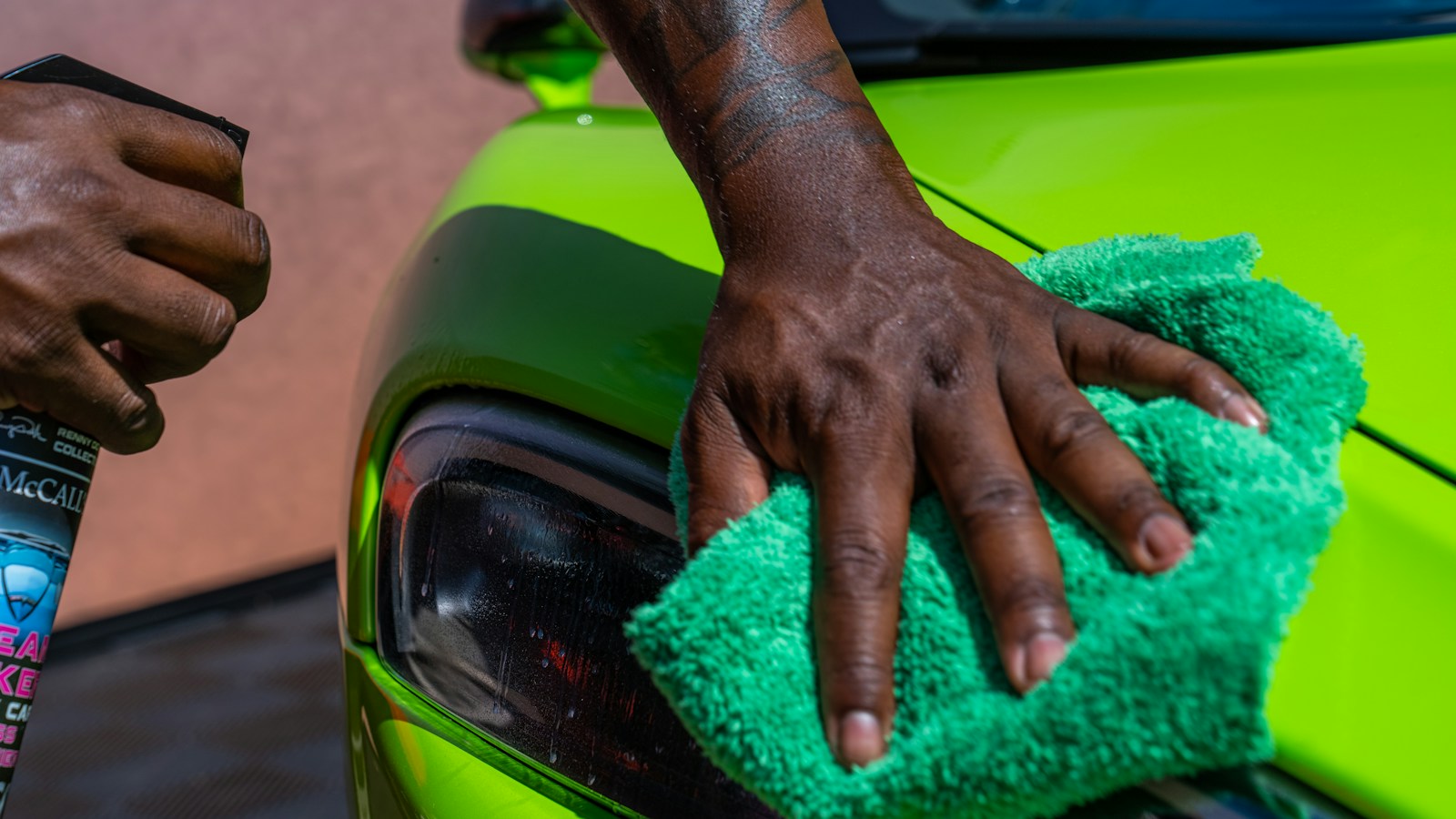
Ceramic spray coatings exploded in popularity as a do-it-yourself alternative to professional ceramic coating jobs that can cost hundreds or thousands of dollars. The pitch is appealing: spray-on nanotechnology protection that lasts months instead of weeks, at a fraction of the price. The trouble is that the term “ceramic” doesn’t have a strict regulatory definition in this category, which leaves a lot of room for marketing to outrun what a product actually delivers.
According to detailing-focused breakdowns like Jimbo’s Detailing’s look at what matters versus hype in ceramic spray reviews, here are eight claims worth understanding before spraying one on your paint.
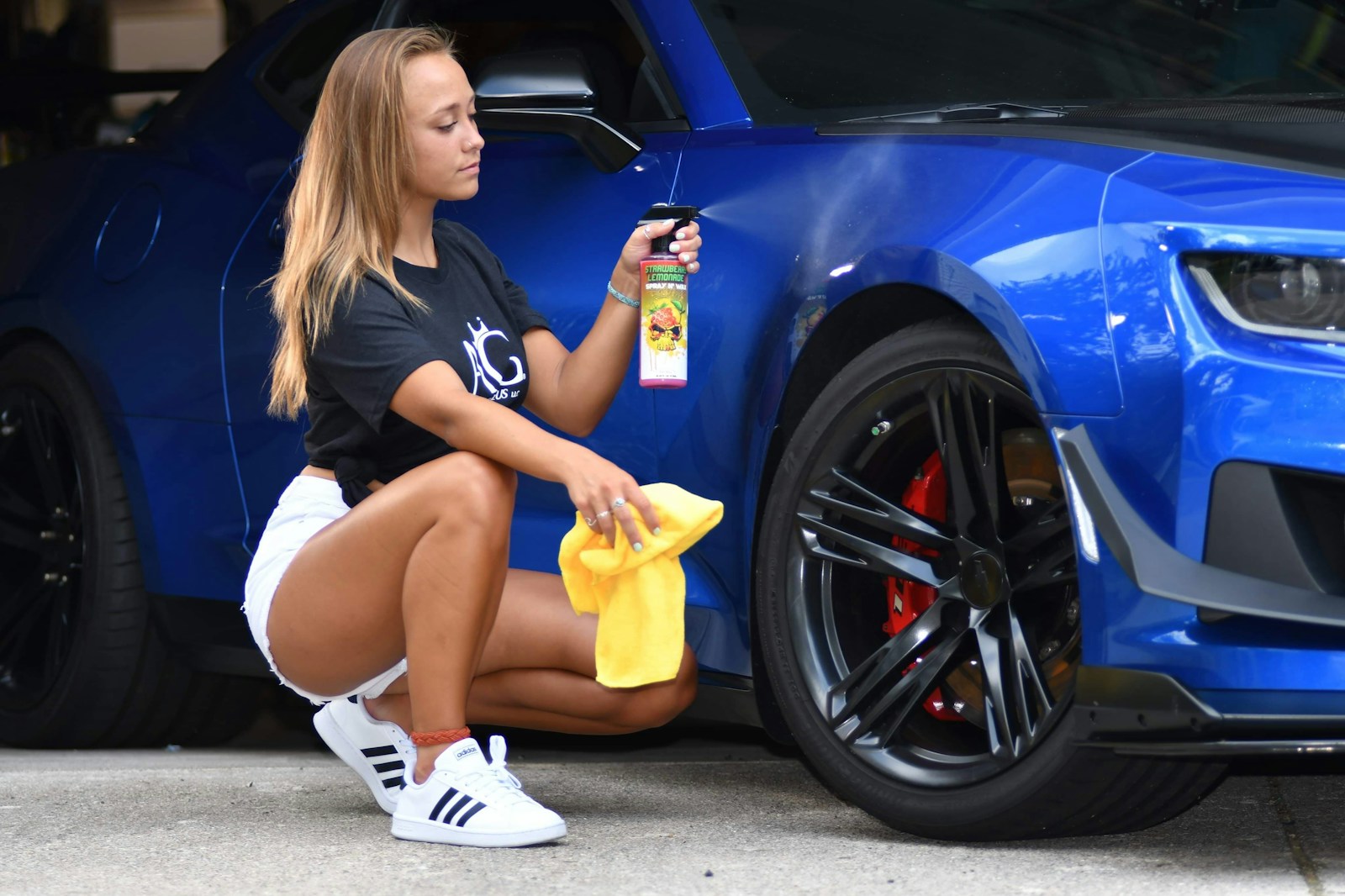
Products Marketed With Multi-Year Durability Claims
Some ceramic sprays claim a year or more of protection from a single application. That window is hard for an average buyer to verify. The Jimbo’s guide puts real-world durability for the sprays it rates at roughly two to six months, and it calls a promise of 12 months from a $20 bottle rarely true.
How long any coating lasts depends on paint prep, application conditions, and how the car is washed afterward, and a spray bottle controls none of those. Look closely at the wording. “Up to” describes the best case, usually a garaged car washed gently by hand. A daily driver parked outside and run through automatic washes will see far less. Before buying, check whether the label or product page states the conditions behind the number. If it doesn’t, plan on reapplying every few months and treat anything longer as a bonus. A multi-year claim on a product applied in your driveway in twenty minutes deserves skepticism regardless of the brand behind it.
Sprays That Don’t Disclose Their Silica Dioxide Content
The water-repelling quality of a ceramic product comes largely from silicon dioxide, usually written SiO2 and often called silica. Some brands publish the percentage in the bottle as a selling point. Others put the word “ceramic” on the label and say nothing about how much active ingredient is inside, which makes them hard to compare against competitors.
A missing number doesn’t prove a product is weak, and a published one isn’t the whole story, because the carrier and other additives affect how well the silica bonds and how long it stays put. Still, disclosure is a useful sorting tool. Check the label, the product page, and the safety data sheet, which many manufacturers post online, for any stated concentration. Watch for vague phrases such as “SiO2 infused” or “ceramic technology” with no figure attached. If two sprays cost about the same and only one tells you what’s in it, the one that discloses has given you more to go on.
Sprays Requiring a Specific, Narrow Application Window
Some ceramic sprays need to go on within a set temperature and humidity range, with precise wipe-off timing, to bond properly to the paint. When those requirements are buried in small print, first-time users apply the product on a hot hood in direct sun, get streaks or hazy high spots, and blame the chemistry instead of the conditions.
Read the full directions before you buy, not just the front label. Look for four things: the surface temperature range, whether the paint must be cool and out of direct sunlight, how long to wait before buffing, and how long the car has to stay dry afterward. A product that needs a full day without rain or dew is a poor fit if you park outside. When you do apply it, work one small panel at a time and keep a second dry towel on hand for the final buff. If the instructions are vague on any of these points, that tells you how much trial and error to expect.
Sprays That Show Uneven Water Beading Within Weeks
Water beading and sheeting are the most visible signs that a ceramic product is still working, and you can test them yourself. A spray that loses its beading a few weeks into a claimed lifespan of several months isn’t performing as marketed.
Set up a simple check. After applying, rinse the car with a hose and photograph the hood and roof. Tight, round beads that roll off easily are what a fresh coat should look like. Repeat the rinse every two weeks after a normal wash and compare photos. Flat, spreading puddles or patchy areas where water clings mean the layer is wearing thin there. Horizontal panels usually fade first because they take the most sun and standing water.
Rule out other causes before blaming the product. Road film and soap residue can mask beading on a healthy coat, so wash thoroughly and test again. If the beading comes back, the coating was just dirty.
Bundled Kits With an Undersized Applicator or Towel
Some ceramic spray kits include an applicator pad or microfiber towel that is too small for a whole vehicle. One towel loads up with product after a few panels, then starts smearing residue instead of removing it. The streaks and uneven patches that follow aren’t necessarily the coating’s fault.
Check what’s actually in the box before paying extra for a kit. A single small towel won’t cover a sedan, let alone a truck or SUV. Plan on at least four clean, plush microfiber towels for a full-size vehicle: two to spread the product and two kept dry for the final buff. Edgeless or soft-bound towels are less likely to mark the paint. Swap to a fresh one as soon as a towel feels damp or starts to drag.
Price the kit against buying the spray alone plus a separate pack of quality towels. Often the bundled accessories add little, and towels you buy separately can be washed and reused for every later application.
Sprays Marketed as a Replacement for Professional Ceramic Coating
Marketing that presents a spray as equal to a professionally installed coating oversells what one consumer-grade application can do. A shop job typically includes a decontamination wash, machine polishing to correct the paint, a concentrated coating applied in layers, and curing in a controlled space. A driveway spray session skips most of that, and the Jimbo’s guide warns against expecting a bargain spray to perform like a $1,500 professional coating.
That doesn’t make sprays a bad buy. They add gloss and water repellency for a few months, and they work well on a car you wash regularly. Be wary of words like “pro-grade” or “permanent” on a bottle you wipe on with a towel. A spray also sits on top of whatever condition the paint is in, so swirls and scratches stay visible underneath. If the paint needs correcting, polish first or pay a professional, and judge the spray as the affordable maintenance product it is.
Sprays With No Independent Durability Testing Published
Few ceramic spray makers publish independent, third-party durability results alongside their marketing. Most rely on customer testimonials and in-house demonstration videos. That matters because the FTC’s advertising guidance says advertisers need objective evidence that supports the claim, and that statements from satisfied customers usually aren’t sufficient for claims that require objective evaluation.
Useful evidence names the test and who ran it. One recognized method is ASTM G154 accelerated weathering, a practice that exposes materials such as coatings to UV light, heat, and moisture in a chamber to simulate outdoor conditions. A brand that cites a recognized method, an outside lab, and the number of hours tested has given you something to check. A beading video shot on the day of application has not. When no data is offered, look for long-term reviews from detailers who track the same car over months, and discount the durability figure on the label accordingly.
Sprays That Require Frequent Reapplication Despite “Long-Lasting” Branding
The front label may promise long-lasting protection while the directions on the back recommend topping up every month or two. That gap matters, because a product that needs reapplying every few weeks is a maintenance spray, whatever the headline says.
Read the maintenance schedule before buying. Look for phrases such as “reapply as needed” or “use after every few washes,” or for a booster product sold separately. None of those are faults on their own, but they change the math. Work out the cost per application: a bottle that covers a car four times and needs redoing monthly can cost more per year than a pricier one that holds up for a season.
Factor in your time as well. A careful application with a proper wash beforehand takes an hour or more, so a monthly schedule adds up. If you enjoy the routine, a frequent-use spray is fine. If you want to apply it and forget it, pick the product whose own directions support that.