

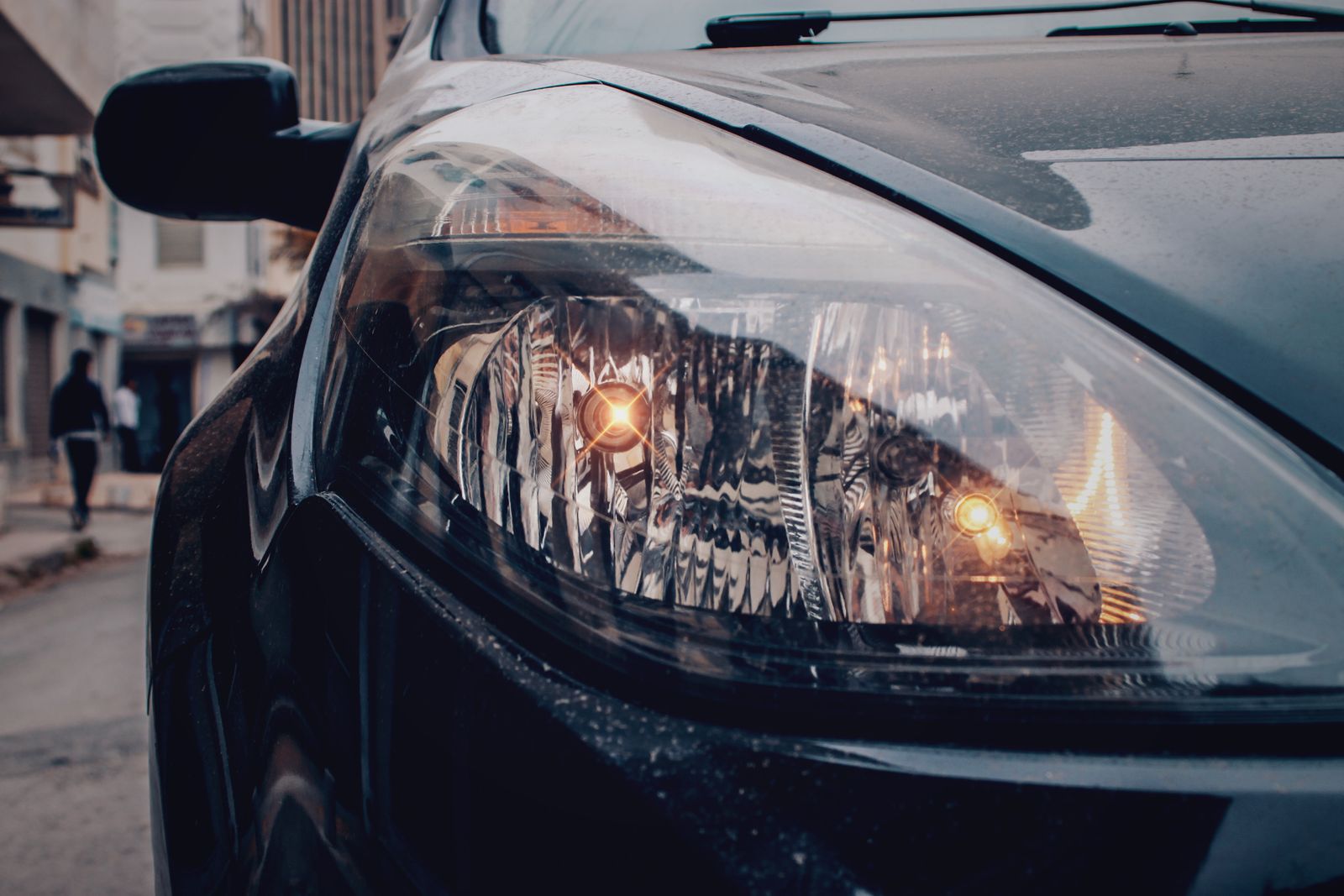
The aftermarket LED and HID headlight bulb market has grown fast, largely by promising a dramatic upgrade over factory halogen bulbs for a relatively small cost. What often doesn’t make it into the marketing is that many of these bulbs are designed to retrofit into housings engineered for a completely different light source, which can create real glare problems for oncoming drivers instead of the clean beam pattern pictured in the listing photos.
Advocacy groups like the Soft Lights Foundation have campaigned on this compliance gap for years, and federal regulators have addressed it directly. Here are eight situations worth understanding before you upgrade your headlights.
LED Retrofit Kits Installed in Halogen-Designed Reflector Housings
Factory halogen headlight housings are engineered around the light-emission pattern of a halogen filament, and swapping in an LED bulb changes that pattern in ways the reflector or projector wasn’t designed to control. The result can be hot spots and scattered light that reaches oncoming traffic. The Soft Lights Foundation, an advocacy group that campaigns against LED glare, quotes a senior NHTSA engineer as saying that not a single aftermarket LED bulb has ever been approved by the agency. The bulb itself may be well made, but installing it in the wrong style of housing undermines the whole upgrade. If the goal is to see better at night, there are options that keep the housing and light source matched. Restore cloudy or yellowed lenses first, since haze blocks light no bulb can make up for. Replace old halogens in pairs with fresh bulbs of the same type. Or look at a complete replacement headlamp assembly that was designed around LEDs from the start.
Kits Marketed as “Plug and Play” Without DOT Compliance Disclosure
Many LED and HID conversion kits are marketed with “plug and play” language emphasizing easy installation, without prominently disclosing that the kit does not meet the federal headlamp standard. NHTSA has been plain about this. In a February 2024 interpretation letter, the agency wrote that “no LED replaceable light source may be used in a replaceable bulb headlamp,” while confirming that LED headlamps built as complete assemblies are permitted when they meet the standard. HID kits fare no better. A 2002 NHTSA letter told one kit maker its product could not be certified as complying, because a halogen bulb uses a filament and an HID source uses an arc and a ballast. NHTSA also says it generally does not regulate what owners do to their own vehicles, which leaves on-road use to state law. Before buying, read the fine print for “off-road use only,” and check your state’s equipment and inspection rules.
Ultra-High Kelvin Temperature Bulbs Marketed for Maximum Whiteness
Bulbs marketed around an extremely high color temperature, often in the 8,000 to 10,000 Kelvin range and beyond, produce a bluish-white or even purplish light that looks striking in product photos. Kelvin describes the tint of the light, not the amount of it, so a higher number does not mean a brighter bulb. Buyers chasing the bluest possible light are often trading real-world visibility for a look, which is the opposite of what a headlight upgrade should accomplish. There is a legal limit too. An NHTSA letter on headlamp color states that the color of the headlamp shall be white, with white defined by boundaries on a chromaticity chart, and notes that a bulb whose light approaches the blue boundary has to be tested to know if it still qualifies. When comparing bulbs, look for a stated light output and a beam pattern photo taken against a wall. Treat the Kelvin figure as a styling choice, and stay close to plain white.
Bulbs With Inconsistent Beam Cutoff Lines
A properly designed low beam has a defined cutoff that lights the road ahead without shining directly into oncoming drivers’ eyes, and this cutoff is a function of the whole housing and bulb system working together, not the bulb in isolation. Aftermarket bulbs that don’t replicate the factory bulb’s filament position can blur or eliminate the cutoff entirely, which is the glare other drivers complain about. You can check this at home. Park on level ground facing a wall or garage door from about 25 feet away, switch on the low beams, and mark the top edge of each beam with tape. Install the new bulbs and compare. The edge should sit at the same height and look as sharp as before. Bright patches or a glow above the tape line mean light is going where it should not. Many LED bulbs can be rotated in their collar, so try turning the bulb until the emitters face sideways. If the pattern still looks wrong, refit the original bulbs.
Kits With Poor Heat Dissipation Leading to Early Failure
LED bulbs generate heat that must be managed through a heat sink and often a small fan, and budget conversion kits sometimes use undersized cooling components that can’t shed that heat during extended nighttime driving. This can lead to premature dimming or outright failure well before the advertised lifespan, particularly in hot climates or during sustained highway use, when the housing is already holding engine bay heat. Fit matters as much as design. Measure the space behind your headlight before ordering, because a long heat sink or fan may not clear the dust cap, and a housing left open lets in moisture and dirt. A fan needs room to move air, so a bulb jammed against the cap will run hot no matter how good it is. Listen for the fans after installation. A rattle or a fan that stops spinning is an early sign of trouble. Check the warranty length and who honors it, and keep your old halogen bulbs in the glovebox as spares.
Bulbs Requiring a Separate, Unlisted Canbus Adapter
Many modern vehicles monitor the headlight circuit electronically to detect burned-out bulbs, and an LED bulb draws far less current than the halogen it replaces. The car can read that as a failed bulb, triggering a persistent dashboard warning or causing the new bulb to flicker. A CAN bus adapter or load resistor is the usual fix. Some listings don’t clearly say whether one is required or included, so buyers discover the problem only after installation, when a warning light appears for a bulb that is working fine. Before ordering, search the listing and its questions section for your exact make, model, and year. Vehicles that run the low beams at reduced power as daytime running lights are especially prone to flicker. If the kit uses load resistors, know that they get hot in use. Mount them on bare metal, away from wiring and plastic trim. Budget for the adapter up front, since it can add noticeably to the cost of a cheap kit.
Kits With Exaggerated Lumen Output Claims
Lumen output numbers on budget LED headlight bulb packaging are frequently self-reported by the manufacturer without independent verification. A bulb claiming an implausibly high lumen count compared to established competitors at a similar price is a reasonable candidate for skepticism. A few checks help. First, see whether the figure is per bulb or per pair, since some listings quote the pair to double the number. Second, look at the wattage. Light output is limited by the power a bulb draws, so a modest wattage next to an enormous lumen figure does not add up. Third, remember that lumens measure the total light leaving the bulb, not the light that lands on the road. A bulb can be very bright and still light the road poorly if the housing cannot focus it. A beam pattern photo or an independent test tells you more than the number on the box. Legitimate makers with a strong product have little reason to inflate an already good figure.
Colored Bulbs Sold in States Where They’re Illegal for Headlight Use
Some aftermarket bulbs are sold in blue, purple, or other tinted colors purely for looks, without clearly disclosing that headlights are required to be white. The federal standard says so, as the NHTSA color letter cited above makes clear, and state vehicle codes set their own rules on headlight color as well, which can make these bulbs illegal for road use even though they are easy to buy. A driver pulled over with a strongly tinted headlight can be cited regardless of whether they knew the rule. Color has a practical cost too. A bulb gets its tint from a coating on the glass that filters out part of the light, so a deeply colored halogen puts less usable light on the road than a clear one of the same wattage. Check your state’s vehicle code or inspection checklist before installing any colored bulb. If you only want the look for a show or a photo shoot, keep the original bulbs and swap them back before driving.