
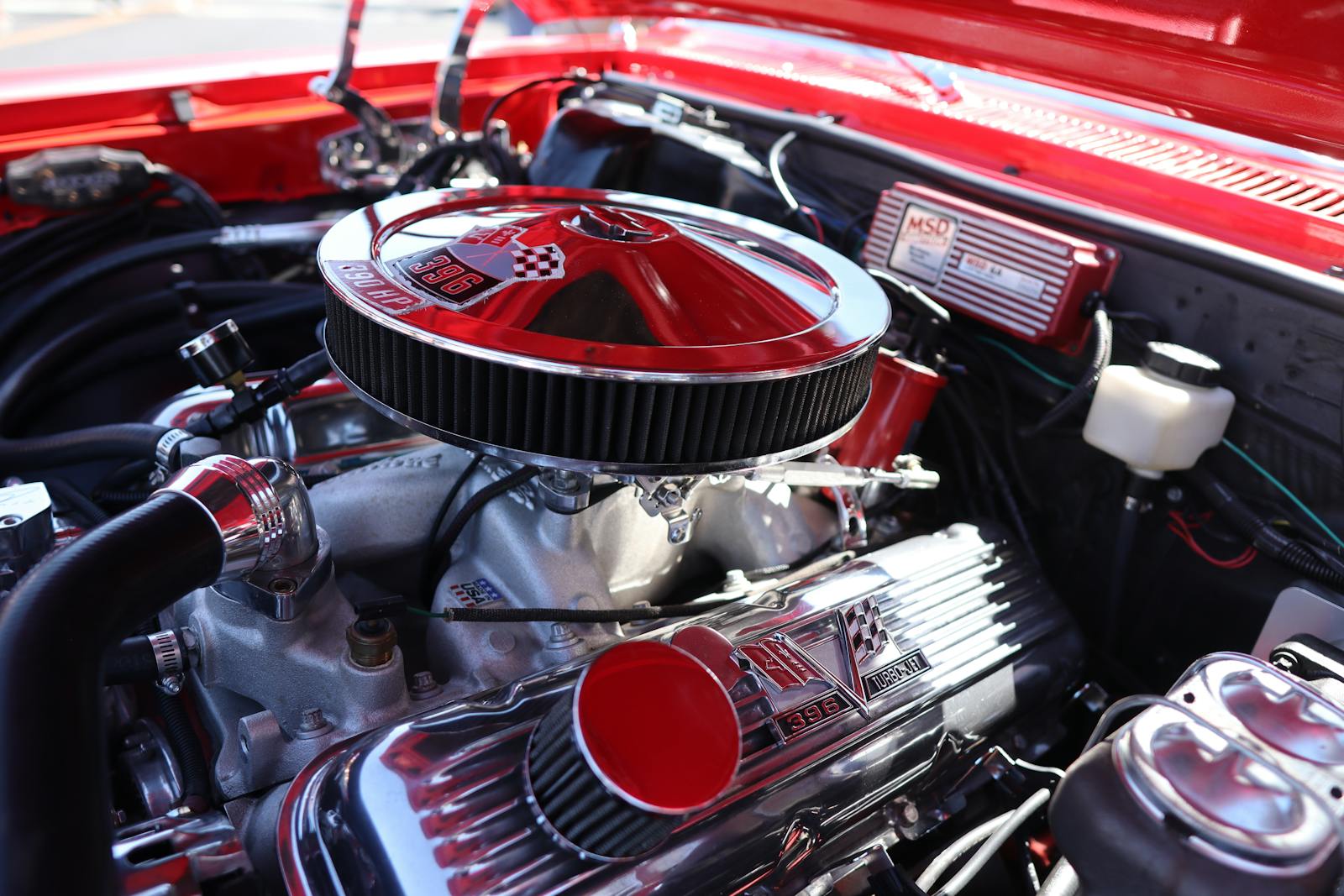

You care about engines that keep working when others fail, and this article shows why some powerplants become legends. You’ll learn what traits—like simple design, widespread parts availability, and proven durability—help certain engines survive decades and earn a reputation for longevity.
Expect clear, practical takes that point toward a mix of V8s, inline-sixes, diesels, and air-cooled designs, and what made each type endure across different eras and uses. You’ll get context for why these specific engines mattered to manufacturers, owners, and the wider automotive world.
Chevrolet Small Block V8
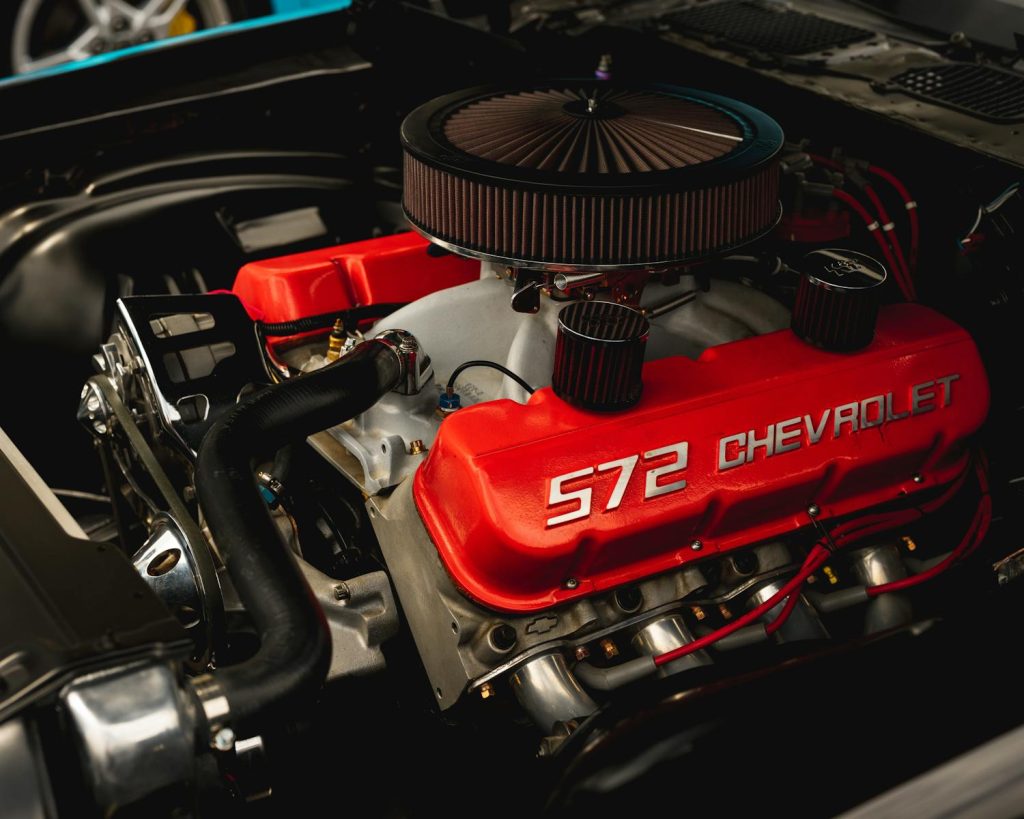
You’ll recognize the Chevrolet Small Block V8 by its decades-long presence in cars, trucks, and race vehicles.
Introduced in the mid-1950s, its compact design and simple architecture let you maintain and modify it easily.
The 350-cubic-inch variant became especially common, offering a reliable balance of power and serviceability.
You can find examples with very high mileage because parts are plentiful and many repairs are straightforward.
Ford Windsor V8
You’ll find the Windsor V8 familiar across decades of Fords, thanks to its simple, robust small-block design. It powered trucks, muscle cars, and sedans from the 1960s into the 1990s and earned a reputation for durability.
You can expect strong low-end torque and straightforward maintenance with these engines. That makes them a popular choice for restorations and budget-friendly performance swaps.
Cummins 6BT Diesel
You’ll recognize the 6BT as the rugged 5.9L inline-six that powered many trucks from 1989–1998.
Its cast‑iron block and simple mechanical fuel injection make it easy to maintain and repair.
You can expect long service life with routine oil changes and valve adjustments.
Owners commonly report high-mileage engines when cared for, especially in worktruck and industrial use.
Toyota 2JZ Inline-6
You’ll find the 2JZ renowned for durability and a cast-iron block that withstands high mileage and boost. Many owners report engines lasting well into the hundreds of thousands with routine maintenance.
If you plan to tune or rebuild, the 2JZ’s strong bottom end gives you room to increase power without sacrificing longevity. Keep up with oil changes, timing components, and cooling system care to protect your investment.
BMW M50 Inline-6
You’ll find the M50 a durable, smooth-running inline-six that powered many early ’90s BMWs. It introduced DOHC design and, later, single VANOS variable valve timing for better efficiency and torque.
Maintenance is straightforward: timing chain guides, cooling components, and valve cover gaskets are common wear items, but proper care keeps these engines on the road for many miles. Tuners also like the M50 for its robust cast-iron block and responsive nature.
Honda B Series
You’ll find the B-series praised for a blend of reliability and performance that suits daily driving and spirited use.
These DOHC four-cylinder engines introduced in the late 1980s earned a reputation for long life when maintained properly.
You can expect solid tunability and strong aftermarket support, which makes them popular with enthusiasts.
Avoid extreme modifications if longevity is your priority; routine care will help them surpass high mileage milestones.
Ford 300 Inline-6
You’ll recognize the Ford 300 by its simple, rugged design and reputation for longevity. It served from the mid-1960s through the 1990s in trucks, vans, and industrial roles.
With low-end torque and few complex parts, it tolerates high mileage if you keep up basic maintenance. Enthusiasts still use and rebuild these engines because they’re reliable and easy to work on.
Volkswagen Air-Cooled Flat-4
You’ll recognize the Flat-4 by its simple, air-cooled design that powered Beetles and Type 2 buses for decades.
Its horizontally opposed cylinders and compact layout made maintenance straightforward and reliability high.
You can still find these engines in classic cars and conversions because parts are plentiful and fans of simplicity love them.
They aren’t the most powerful by modern standards, but their longevity and ease of repair keep them relevant to enthusiasts.