

Crossing 100,000 miles feels like a milestone, and it is also a warning light for your wallet. Many of the jobs that fall due around that mark are easy to forget, and a few of them can turn into bigger repairs if they are put off.
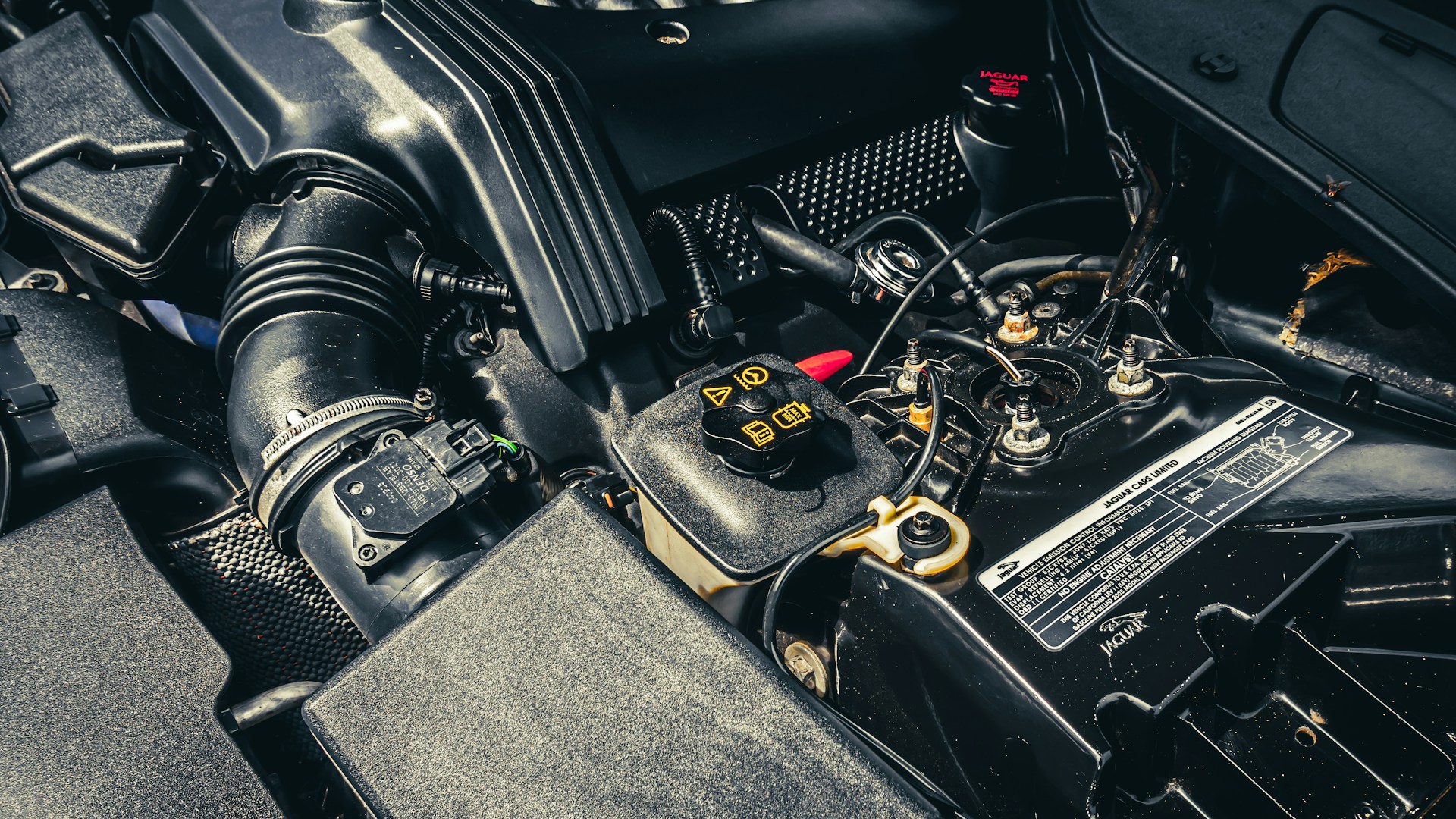
Two recent guides lay out what to do. The ConsumerAffairs car maintenance checklist by mileage, updated June 3, 2026, lists what many vehicles need around 100,000 miles, and a Jalopnik guide published December 31, 2025 covers smart moves after the odometer rolls over.
Here are 8 jobs to ask about. Your owner’s manual or dealer has the exact schedule for your make and model, and severe driving such as stop-and-go traffic, towing or extreme temperatures can call for shorter intervals.
There is another reason the 100,000-mile mark matters. ConsumerAffairs notes that many bumper-to-bumper warranties have ended by around 60,000 miles, and elsewhere says they typically end around 36,000 miles. By 100,000 miles, repair bills are yours.
1. The Timing Belt, If Your Engine Has One
ConsumerAffairs lists the timing belt at the 100,000-mile checkpoint, but only on engines that use one. Jalopnik says that if your car has a timing belt, replace it, because a broken one can cause “a bent valve or piston.”
Many newer engines use a timing chain instead, so check your manual or ask a mechanic before you book a repair, and make sure the quote matches the engine you actually have.
2. The Water Pump, Done Along With The Belt
ConsumerAffairs says the water pump is often replaced with the timing belt because the labor overlaps, when scheduled. Jalopnik makes the same point, noting that reaching the pump requires removing the belt.
Doing both at once can save a second round of labor charges, and it spares you from opening up the same part of the engine twice.
The savings from combining jobs can be real. It is worth asking your shop to quote the timing belt and water pump together, and to confirm whether your engine needs both.
3. Spark Plugs, Even If They Are Rated For 100,000 Miles
Jalopnik says to replace spark plugs to reduce misfires and improve fuel economy, even if they are rated for 100,000 miles. ConsumerAffairs lists them around this mileage only if due or not already replaced.
4. The Serpentine Belt And Rubber Hoses
The serpentine belt “should generally be replaced every 60,000 miles or so,” Jalopnik says, so it is likely overdue at 100,000. The guide also says to replace cracked or brittle hoses, especially coolant, power steering and fuel lines, and to tighten the hose clamps.
5. Transmission Fluid, Drained And Refilled
ConsumerAffairs lists transmission inspection and service at around 100,000 miles. Jalopnik, citing Cars.com, says to drain and refill transmission fluid instead of flushing it, so contaminants are not dislodged into the system.
6. Brake Fluid, Which Is Also Time-Based
Jalopnik recommends a full brake fluid flush, because moisture and debris cause a soft pedal feel. ConsumerAffairs lists brake fluid replacement at this mileage and notes it is also time-based, not only mileage-based.
7. Coolant That Has Worn Out
Coolant “wears out eventually, becoming less able to prevent overheating,” Jalopnik says. Depending on the type, it is sometimes recommended every 30,000 miles, so match it to your manual.
ConsumerAffairs lists coolant flush among the items that may be due between 30,000 and 100,000 miles, if scheduled for the vehicle.
8. Shocks, Struts And Steering Parts
ConsumerAffairs lists shocks and struts for inspection at around 100,000 miles. Jalopnik says to make certain they are not leaking, “which is a sure sign they need to be replaced.”
It also says to check ball joints, tie rod ends and suspension bearings, since worn parts affect steering accuracy and cause uneven tire wear, and to check alignment, which potholes can knock out.
Washing and waxing may sound like cosmetics, but Jalopnik says regular washing and waxing helps prevent rust from dirt, mud and road salt, which helps preserve resale value. That is cheap insurance for a car you plan to keep.
Do not overlook the basics. Jalopnik says to keep up with oil changes at the interval in your owner’s manual, and to change the air filter and consider replacing the fuel and cabin filters. It says high-mileage oil is optional, quoting Cenex that it is “not necessary unless you notice a leak or your engine is rattling.”
ConsumerAffairs also lists oxygen sensor checks, and inspection of engine mounts, seals and the driveline, at this mileage. Add brake pads and rotors to the list, since both guides say to check them for thinning, rust or warping.
Battery testing is another item ConsumerAffairs lists in its 30,000 to 60,000-mile range, and it may still be due on a car at 100,000 miles. A weak battery strands a driver at the worst possible moment, so it is worth asking for a test while the car is already on the lift.
To avoid overspending, bring the owner’s manual to the shop, ask which items are “inspect” and which are “replace,” and get a written estimate. Many items apply only to some vehicles, so a long list from a shop deserves a second look against the manual.
More Stories You May Like
- Small Paint Chips And Clogged Drains Turn Into Big Rust Repairs When Ignored, So Catch Bubbling Paint Early And Wash The Underside Of Your Car
- Paying For Car Repairs Without A Written Estimate Or A Second Opinion Is A Costly Mistake, So Get It In Writing And Ask To See The Old Parts
- Harley Rider Packed Up For A Solo Trip Of More Than 5000 Miles Across The Country And Got Stuck On Their Motorcycle In A Tornado In Minnesota