
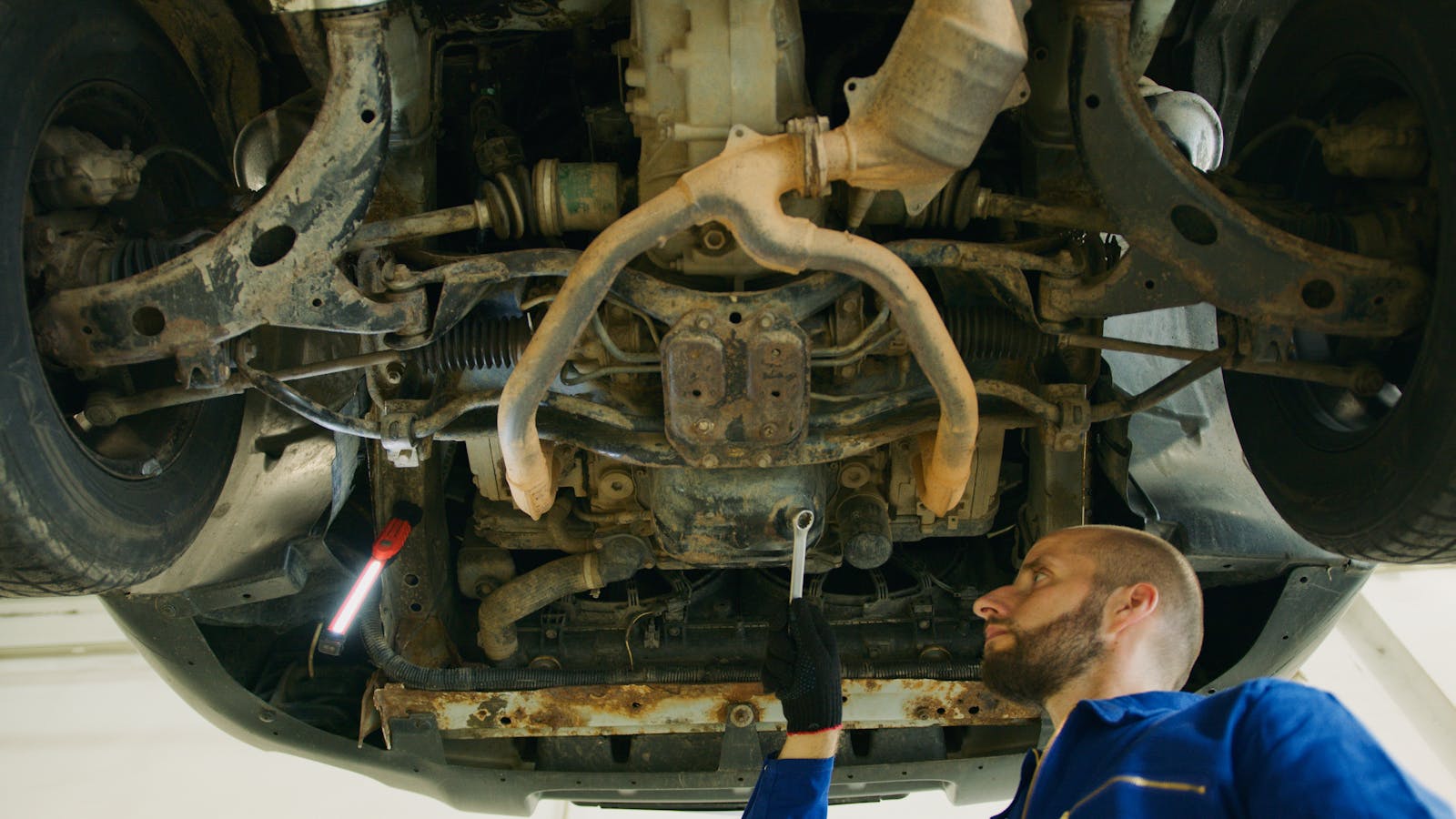

Most people don’t set out to neglect their car. Life gets busy, the dashboard light seems “fine for now,” and suddenly you’re three oil changes behind and your vehicle is making a noise that sounds like a raccoon with a wrench. Mechanics see this every day, and the funny part is they can usually tell within minutes when a car’s been ignored a little too long.
Neglect leaves patterns. Not just in the engine bay, but in the way the car drives, smells, sounds, and even how the owner describes the problem (“It only does it when I’m turning left… uphill… in the rain”). Here are eight classic signs mechanics notice that suggest a car hasn’t been getting the love it needs.
1) Oil that looks more like sludge than oil
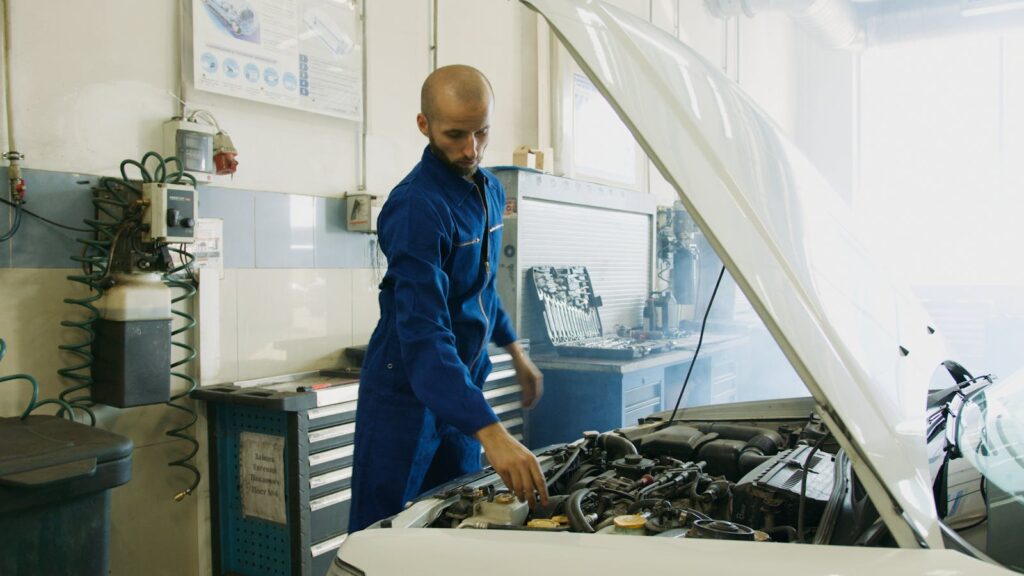
If a mechanic pulls the dipstick and the oil comes out thick, black, gritty, or smelling burnt, it’s an instant clue. Fresh oil is amber and smooth; neglected oil looks like it’s been through emotional trauma. Sometimes it’s so old it barely clings to the stick, which is not the vibe you want for the fluid keeping your engine alive.
Old oil doesn’t just “get dirty.” It loses its ability to lubricate and cool, which speeds up wear on internal engine parts. Mechanics also look under the oil cap—if there’s gunk buildup or crusty residue, it’s a sign the car’s been running too long between services.
2) A dashboard lit up like a holiday display
One warning light isn’t always a crisis. But when the check engine light has friends—ABS, traction control, oil pressure, tire pressure—and they’re all hanging out together, a mechanic knows maintenance has probably been postponed for a while. It often means problems were ignored until they multiplied.
What really gives it away is when the driver says, “Oh yeah, that light’s been on for months.” A lot of systems are connected, and letting one issue ride can trigger other ones. Plus, a light that stays on for ages can mask new problems that show up later.
3) Tires that are worn unevenly (or dangerously bald)
Mechanics can learn a lot by looking at tires the way a doctor reads symptoms. Uneven wear—like bald on the inside edge but fine on the outside—often points to ignored alignment issues or worn suspension parts. Cupping or scalloped dips can hint at bad shocks or struts that should’ve been replaced ages ago.
And if the tires are bald? That’s more than neglect—it’s a safety gamble. Tires are your car’s only contact with the road, so when a mechanic sees cords showing or cracks along the sidewall, they know the car’s been running on borrowed time (and borrowed traction).
4) A cabin air filter that looks like a science project
This one’s almost comical, because cabin air filters are cheap and easy to replace—yet they’re ignored constantly. When a mechanic pulls one out and it’s packed with leaves, dust, hair, and mystery debris, it’s a dead giveaway that basic maintenance isn’t happening. Sometimes the filter is so clogged it’s practically a felt blanket.
A neglected cabin filter can make your HVAC system work harder and make the car smell musty. It also hints that other “small stuff” has probably been skipped too, like engine air filters and fluid top-offs.
5) Low fluids across the board (and fluids that don’t look right)
Mechanics don’t just check oil. They’re looking at coolant, brake fluid, transmission fluid (when applicable), power steering fluid, and windshield washer fluid. If everything is low, that usually means nobody’s been checking under the hood between oil changes—or there haven’t been oil changes.
Color and smell matter, too. Coolant that’s rusty or muddy can suggest corrosion or mixing incompatible types. Brake fluid that’s dark and murky can mean moisture contamination, which reduces braking performance. And if there are obvious leaks that went unaddressed, the car may have been “maintained” with hope instead of repairs.
6) Brakes that squeal, grind, or feel “off”
Brake noises are basically your car’s way of begging for attention. A light squeal might just be wear indicators doing their job, but grinding often means the pads are gone and the metal backing plate is eating the rotor. When mechanics see rotors deeply grooved or discolored from heat, they know the brakes were ignored past the warning stage.
They also pay attention to pedal feel. A soft or spongy pedal can point to old brake fluid, air in the system, or leaks. And if the car pulls when braking, it may be uneven pad wear, a stuck caliper, or suspension issues that were left to snowball.
7) Clunks, rattles, and steering that doesn’t feel tight
Every car makes some noise, but certain sounds scream “deferred maintenance.” Clunking over bumps can be worn sway bar links, ball joints, or control arm bushings. Rattles can come from loose heat shields or exhaust parts that have been vibrating for months.
Mechanics also notice how the car behaves on a quick test drive. If the steering feels vague, the car wanders, or there’s vibration at speed, it can point to worn suspension, tired wheel bearings, or tires that should’ve been replaced a long time ago. These aren’t just comfort issues—they affect safety and tire life, too.
8) A strong smell: fuel, burning oil, coolant, or “something electrical”
Cars shouldn’t have a strong signature scent beyond “old coffee and whatever fell between the seats.” When a mechanic smells fuel, it raises immediate red flags—leaks are dangerous and shouldn’t be shrugged off. Burning oil smells can mean leaks onto hot engine parts, while a sweet syrupy smell often suggests coolant.
Then there’s the sharp, plasticky “electrical” smell, which can indicate overheating wires, failing alternators, or stressed connections. Mechanics take these seriously because smells often show up right before something quits—usually at the least convenient time, like when you’re late and it’s raining.
If any of these signs sound familiar, don’t panic—just don’t keep waiting. Neglect is rarely one big mistake; it’s usually a bunch of small delays stacking up until the car finally protests. The good news is that catching things now, even if you’re behind, is almost always cheaper (and less stressful) than waiting for a tow truck to join the conversation.
More from Steel Horse Rides: