

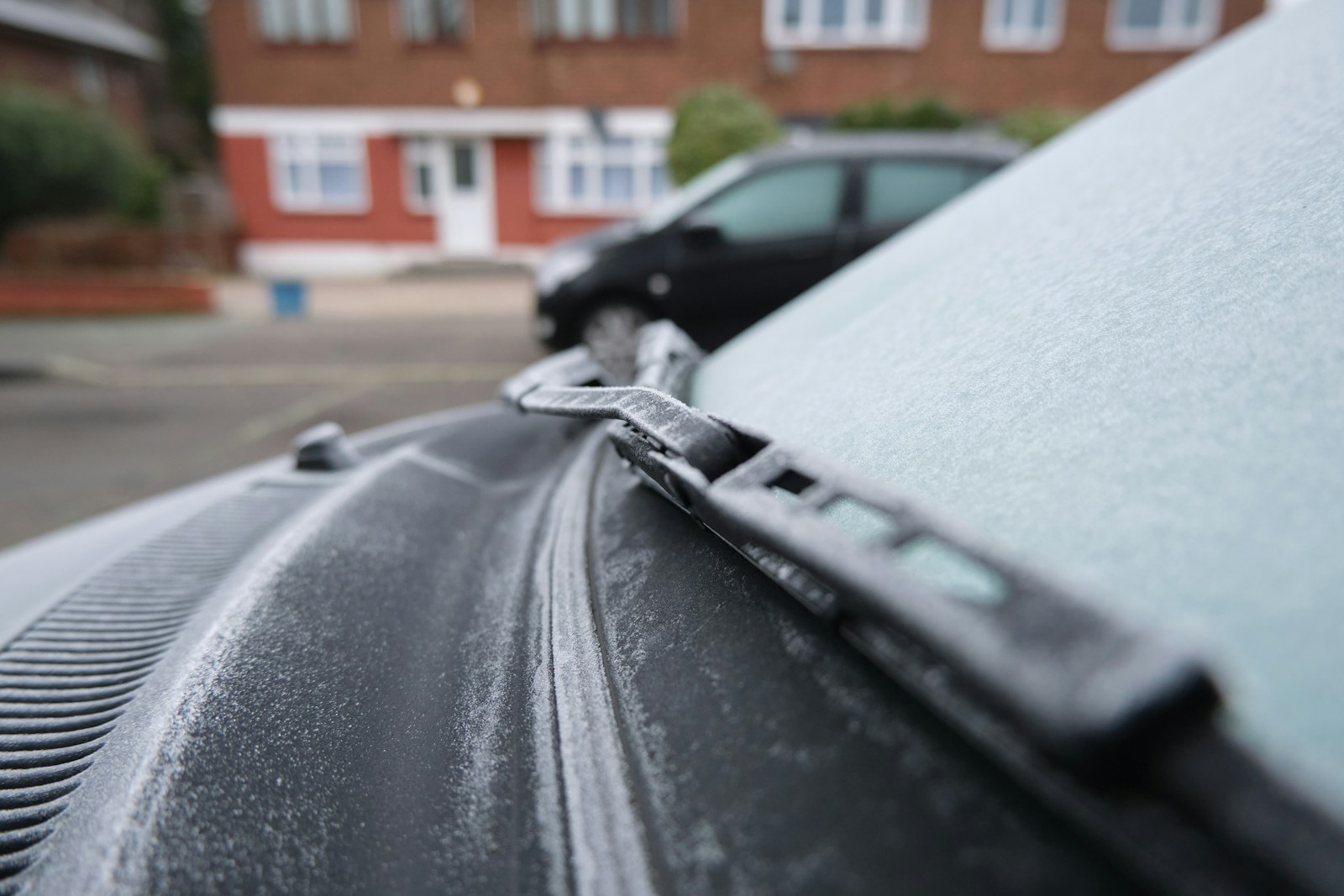
Wiper blades are cheap enough that most drivers default to whatever’s on sale, but the difference between a good and mediocre blade shows up fast the first time you’re driving into heavy rain at night. Beam-style blades, which use a curved spring steel strip instead of the older bridge-frame design, have become the standard for a reason: they distribute pressure more evenly across the windshield.
If your current blades are leaving streaks or chattering across the glass, these nine brands are worth comparing before you grab the cheapest pair at the counter.
Bosch ICON
Bosch’s ICON is a beam-style wiper blade frequently cited in independent buyer’s guides as one of the longer-lasting options on the market, with Bosch marketing a roughly 40 percent longer lifespan claim compared to the brand’s own standard blades, a figure specific to Bosch’s own testing methodology. The ICON uses a dual rubber compound design intended to maintain consistent wipe quality as the blade wears, rather than degrading uniformly across the whole edge. Bosch’s automotive parts pedigree, built primarily on fuel injection and braking components, carries over into how the ICON is engineered and marketed, emphasizing precision and consistency over the cheapest possible price point. For drivers who replace wipers once a year rather than twice, the ICON’s higher upfront price is commonly cited as paying for itself in reduced replacement frequency.
Rain-X Latitude
Rain-X built its brand name on the rain-repellent glass treatment product, and its Latitude wiper blade line incorporates a water-repelling coating directly into the blade’s rubber compound, aimed at improving visibility beyond what the wiping action alone provides. The Latitude is a beam-style blade competing directly with the Bosch ICON in independent comparisons, generally priced similarly and often noted for strong performance in heavy rain specifically, which lines up with the brand’s broader water-repellency focus. Rain-X also sells the coating separately as a spray-on windshield treatment, so drivers who like the water-beading effect but don’t want to replace their wipers yet can get a similar benefit from the standalone product, then switch to the Latitude blades when it’s time for a replacement.
Michelin Stealth
Michelin’s Stealth wiper blade line uses an aerodynamic beam design intended to reduce wind lift and blade chatter at highway speeds, an engineering focus that draws on Michelin’s broader tire and rubber compound expertise. The Stealth is positioned as a premium beam blade, competing in the same tier as the Bosch ICON and Rain-X Latitude, with reviewers frequently noting quiet operation as one of its standout traits compared to noisier bridge-style blades. Michelin’s name recognition from tires carries some weight here too, since the brand’s broader reputation for rubber compound quality is a reasonable, if indirect, signal for wiper blade durability. For drivers who prioritize quiet operation over any other single factor, the Stealth is commonly recommended specifically on that basis in independent reviews.
Trico
Trico is one of the longest-established names in wiper blades, having supplied original-equipment wipers to automakers for decades, and the brand’s aftermarket lineup spans from economy bridge-style blades up to its Force and Ultra beam-style lines. Because Trico has such deep OEM ties, its blades are commonly the exact match for what came on a given vehicle from the factory, which appeals to drivers who prefer to stick with the original design rather than switching styles. Trico’s beam blades compete on price with Bosch and Rain-X in the mid-to-premium tier, while its economy conventional-frame blades remain a budget-friendly option for older vehicles or drivers who don’t need the added performance of a beam design.
ANCO
ANCO has a long history in the wiper blade market and is commonly positioned as a value-oriented brand relative to Bosch, Rain-X, and Michelin, without necessarily sacrificing the basic beam-blade or hybrid-blade designs those premium brands use. ANCO’s 31-Series and Contour lines are frequently recommended in budget-focused buyer’s guides as a reasonable middle ground between rock-bottom economy blades and the pricier premium options. For drivers who want a functional beam-style blade without paying premium pricing, ANCO is a commonly cited pick that still delivers meaningfully better performance than the cheapest bridge-style blades on the shelf, making it a sensible default when budget is the primary constraint but bridge-style chatter is a dealbreaker.
PIAA
PIAA is a Japanese automotive lighting and wiper brand with a strong following among import car owners, and its Si-Tech and Aero Vogue silicone wiper blades use silicone rubber rather than the more common synthetic rubber compound most competitors use. Silicone wiper blades are generally marketed around longer UV and ozone resistance, which can translate into a longer usable lifespan in climates with intense sun exposure, a claim tied to the material properties of silicone versus standard synthetic rubber compounds. PIAA blades tend to sit at a premium price point, reflecting both the material cost and the brand’s overall positioning in the performance aftermarket space. For drivers in sunnier climates who’ve noticed standard rubber blades cracking or hardening faster than expected, PIAA’s silicone options are worth the look specifically for that durability angle.
Valeo
Valeo is a major European automotive supplier that also sells wiper blades under its own name in the aftermarket, drawing on the same engineering base it uses to supply original-equipment wipers to European automakers. Valeo’s blades are a common recommendation for European vehicle owners who want a wiper designed with the same fit and performance characteristics the manufacturer originally specified. Because Valeo primarily supplies OE parts before selling aftermarket versions, its wiper blades tend to closely match what many European makes shipped with from the factory, which matters for drivers who’ve noticed generic aftermarket blades don’t sit quite right on certain windshield curvatures common to European designs.
Michelin Radius
Michelin’s Radius is a hybrid-style wiper blade, combining a beam-blade core with an external frame element, aimed at drivers who want some of the beam design’s ice- and snow-shedding benefits with a bit more structural rigidity than a pure beam blade offers. This hybrid approach is frequently recommended for drivers in regions with heavier winter weather, where ice buildup on a pure beam blade can sometimes affect its curve and wiping consistency. The Radius sits at a lower price point than Michelin’s Stealth line, making it a reasonable middle-tier choice for drivers who want some winter-weather-specific engineering without paying full premium pricing for the top-tier beam blade.
Aero (Aerotwin-style generic beam blades)
Beyond the major branded lines, a category of generic Aerotwin-style beam blades, most commonly associated with Bosch’s international Aerotwin product family sold under various names, has become widely available at a lower price point than the flagship ICON line while still using the same fundamental beam-blade engineering. These blades are frequently recommended in budget comparisons as a way to get most of the functional benefit of a premium beam blade — even pressure distribution, low profile, quieter operation — without paying full price for the top marketing tier. For cost-conscious shoppers who still want beam-blade performance over an old-style bridge frame, checking for one of these mid-tier beam options at a local auto parts store is a reasonable way to split the difference between economy and premium pricing.