

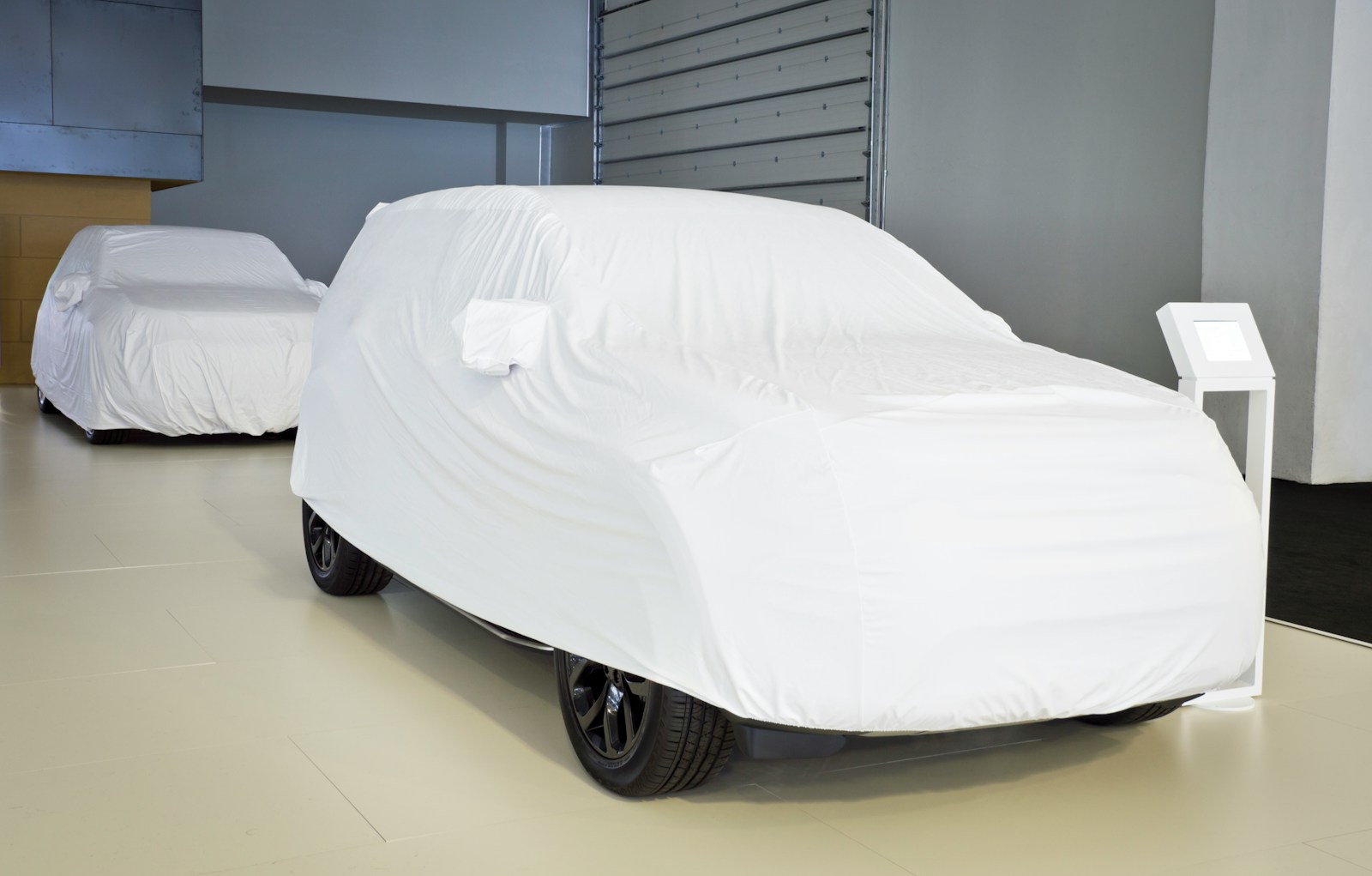
A car cover is supposed to protect paint, not damage it, but a mismatched material, a poor fit, or improper use can turn a well-intentioned purchase into the very thing scratching your clear coat. Buying guides such as AutoGuide’s car cover roundup start with the basics, like how often the cover will be used outdoors and how closely it fits, and owners keep running into the same handful of avoidable mistakes.
Here are nine mistakes worth understanding before your next cover purchase.

Budget Covers With Rough Interior Lining Material
Some budget-oriented car covers use a simpler, less refined interior lining than premium multi-layer covers. A rougher lining can create fine scratching, sometimes called cover-induced marring, when wind causes the cover to shift against the paint repeatedly over time. This isn’t unique to any single brand and shows up across the budget tier generally. You can judge a lining before it touches the car. Turn the cover inside out and run the back of your hand across it. It should feel like soft fleece or cotton flannel, with no stiff seams, exposed stitching knots or plastic-like texture where it would rest on the hood, roof and trunk. Dark paint shows marring first, so owners of black or deep-colored cars should be the pickiest. Whatever the lining, only cover a clean car, because dust sitting on the paint turns any fabric into fine sandpaper. A soft lining is worth prioritizing over price alone for a vehicle where paint condition matters to you.
Covers Left On During High Winds Without Proper Tie-Downs
A car cover that isn’t secured with the included straps, grommets or tie-down points can shift and flap in high wind. That repeated movement against the paint is one of the most common causes of the fine scratching owners blame on the cover material, when the real issue is inadequate securing. Use every tie-down point a cover provides and do not rely on elastic hem tension alone. An underbody strap, or a cable run beneath the car through the side grommets, keeps the hem from lifting. There is also a limit to what securing can do. Covercraft, a major cover manufacturer, advises removing the cover in severe wind and says it does not recommend using any car cover in high-wind or storm conditions. If a storm is forecast and the car has to stay outside, taking the cover off and washing the car afterward is safer for the paint than leaving fabric to whip against it for hours.
Indoor-Rated Covers Used Outdoors
Some car covers are designed and marketed for indoor use. They prioritize a soft, breathable, often stretchy fabric over the water resistance and UV resistance an outdoor cover needs, and using one outside exposes it to moisture and sun it wasn’t built to handle. The cover can deteriorate quickly, and a soaked indoor fabric holds water against the paint instead of shedding it. Indoor covers exist to stop garage dust, fingerprints and light bumps, so they often lack tie-down points as well. The reverse mismatch is less harmful but still a waste, since a heavy outdoor cover is bulkier to handle and store than a garage-kept car needs. Decide where the car actually spends its time before shopping. A car parked in a carport or under trees counts as outdoor. Check a cover’s indoor or outdoor rating in the product description, not just the photos, and don’t assume any cover works anywhere.
Covers That Trap Moisture Against the Paint in Humid Climates
A cover that fits too snugly or lacks adequate breathability can trap condensation against the vehicle’s surface overnight, particularly in humid climates. That creates conditions for water spotting or, in extreme cases, mold growth on the cover’s underside. Breathable, multi-layer fabric covers that let moisture vapor escape while still blocking liquid water are the better choice for humid regions compared with a single-layer, waterproof, tarp-style cover. Treat a listing that promises total waterproofing with no mention of breathability as a warning sign for long-term outdoor use. Habits matter as much as fabric. Never cover a car that is still wet from rain or a wash. After a stretch of wet weather, lift the cover off on the first dry day and let both the car and the cover air out. During humid months, check under the cover every week or so for damp spots or a musty smell, which are the early signs of trouble.
Universal-Fit Covers That Billow and Rub Against Mirrors and Antennas
Universal-fit covers are sized broadly to suit a range of vehicle shapes, and they often leave excess material that billows in wind and rubs against side mirrors, antennas and other protruding trim. The result is localized wear or scratching at those contact points. A semi-custom or vehicle-specific cover, cut closer to your vehicle’s dimensions and often sewn with mirror pockets, reduces that excess material and the wear pattern that comes with it, even at a higher upfront cost. Antennas need their own plan. Covercraft’s cover instructions say to take off a removable antenna before installing the cover, and for a fixed mast, to mark its location and install a grommet so the antenna passes through the fabric. Stretching a cover over a mast strains both the fabric and the antenna base. If your car has a spoiler or roof rack, confirm the cover pattern accounts for it.
Covers With Zippers or Grommets That Scratch During Removal
Some covers include metal zippers, grommets or buckles positioned close to the paint, and repeated removal and installation can drag that hardware lightly across the finish if you aren’t careful. Covers that use plastic or fabric-covered hardware in contact-prone areas reduce the risk compared with exposed metal, which is worth checking on any cover you plan to take off and put back often. Technique matters as much as hardware. Do not pull a cover off by dragging it from one end, because the hem and everything attached to it slides the length of the car. Covercraft’s instructions describe releasing the cover from the bumpers, then folding both sides up onto the top of the vehicle into a strip about two feet wide before folding it along the car’s length. That lifts the hem hardware away from the paint. Tuck strap buckles inside a fold while you work, and fasten them before a breeze can swing them into a door.
Covers Stored Wet or Dirty Between Uses
A cover put away wet, or with dirt and grit on its inner surface, can develop mold and mildew or simply grind that trapped grit against the paint the next time it’s used. Let a cover dry fully before folding it, and shake it out away from the car. Keep the inside from touching the ground while you fold, and store it in a bag instead of loose on a garage floor. Covers also need washing, and the method matters. California Car Cover says to never use a washer with a central agitator and to use a commercial front-loading machine like those at a laundromat, with no bleach or fabric softener. It also warns against dry cleaning and against putting non-woven or specialty cover materials in a dryer. Covercraft’s instructions add a second rinse with water only. Check the care tag for your fabric first, since drying guidance differs by material.
Covers Marketed as “Universal” Without Clear Size Category Guidance
Some budget covers marketed as “universal fit” provide only vague sizing guidance, like a single length measurement, without accounting for a vehicle’s height, width or body style. Buyers end up with a cover that is too large or too small. An oversized cover has more loose fabric to billow and rub in wind, while an undersized one may leave the lower body exposed or stretch and tear at its seams. Measure before you order. Take the overall length from bumper to bumper, the width across the widest point and the height at the roof, then compare all three with the seller’s chart. Body style changes the answer even at the same length, because a sedan, a hatchback and an SUV carry their height in different places. Look for charts that list your exact make, model and year, not a generic length category. If a listing offers no chart at all, treat that as a reason to shop elsewhere.
Covers Left On During Extreme Heat Without Reflective Treatment
A dark-colored cover absorbs more of the sun’s energy than a light one, so the fabric and the air beneath it run hotter in direct summer sun. Lighter-colored or reflective covers are generally the better choice for vehicles parked outdoors in hot, sunny climates. Sun is also what wears out the cover itself. Fabric that has turned stiff, faded or chalky is breaking down, and once it starts shedding fibers or dust onto the paint it should be replaced, not kept in service for one more season. Heat from the car matters too. Covercraft’s instructions warn that when a cover goes on after driving, it should not touch a hot exhaust pipe, so give the car a few minutes to cool or keep the hem clear of the tailpipes. In very hot regions, shade from a carport or a building helps more than fabric color does, and a cover works best as the second layer of protection.