

Few automotive product categories rely as heavily on the promise of a dramatic before-and-after as car wax does. Glossy bottles line the shelf with words like “mirror finish” and “showroom shine,” but the actual result depends heavily on formulation, application technique, and how well the product holds up once it’s exposed to sun, rain, and road grime.
According to My Car Makes Noise’s breakdown of car wax brands that fail to deliver, several well-known names have real gaps between their marketing and their real-world results. Here are nine situations worth knowing about before your next detailing session.
Turtle Wax Super Hard Shell
Turtle Wax is one of the most recognizable names in the category, which makes the specific criticism of its Super Hard Shell formula notable. My Car Makes Noise reports that the product “lacks the desired shine” and “tends to leave streaks,” requiring substantial buffing effort that often still results in a dull finish rather than the glossy look pictured on the bottle. That’s a frustrating outcome for a product marketed specifically around ease of application and a hard, durable shine. Turtle Wax’s broader lineup includes other formulas with different results, so this is more a case for checking recent reviews of the specific Super Hard Shell product than avoiding the brand’s entire catalog.
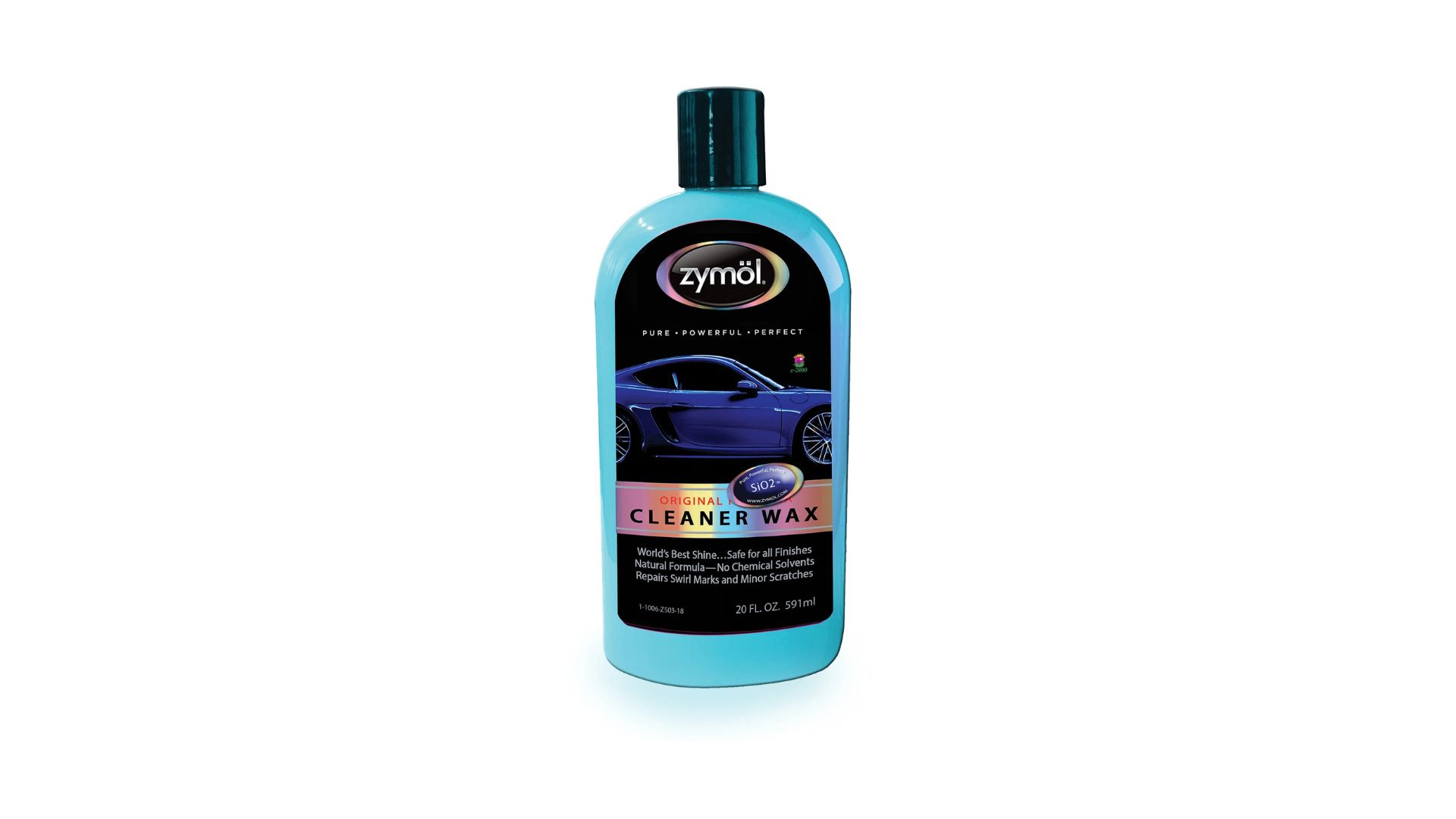
Zymol Cleaner Wax
Zymol carries a premium reputation in detailing circles, built partly around its carnauba-based formulations, but My Car Makes Noise notes its Cleaner Wax product offers limited shine potential and “can leave behind a greasy residue,” falling short of the deep, reflective finish buyers expect at that price point. A greasy residue is a particularly frustrating outcome for a premium product, since it typically means additional work removing the residue before the car looks presentable at all. For detailers specifically drawn to Zymol’s brand reputation, checking recent, detailed reviews of the exact product line matters more than trusting the brand name alone.
Nu Finish Liquid Car Polish
Nu Finish has marketed itself for years around a “once a year” durability claim, positioning it as a low-maintenance alternative to more frequent waxing. My Car Makes Noise reports that in practice, the product frequently disappoints by leaving “a chalky residue” and failing to produce the vibrant shine its marketing implies. A chalky residue is a visible, immediate letdown, especially for anyone specifically choosing the product for its convenience angle rather than a maximum-shine result. If the yearly durability claim is the main draw, it’s worth weighing that convenience against the finish quality trade-off before committing.
Chemical Guys Butter Wet Wax
Chemical Guys has built a strong reputation in the detailing community, which makes the specific critique of its Butter Wet Wax notable. My Car Makes Noise notes the product is easy to apply but “often lacks the durability and shine of other waxes,” resulting in a short-lived finish that falls short of the deep, reflective look the brand’s other products are known for. Ease of application is a genuine benefit for less experienced detailers, so this may still be a reasonable entry point for beginners, provided expectations are set around a shorter-lasting result rather than a long-term protective finish.
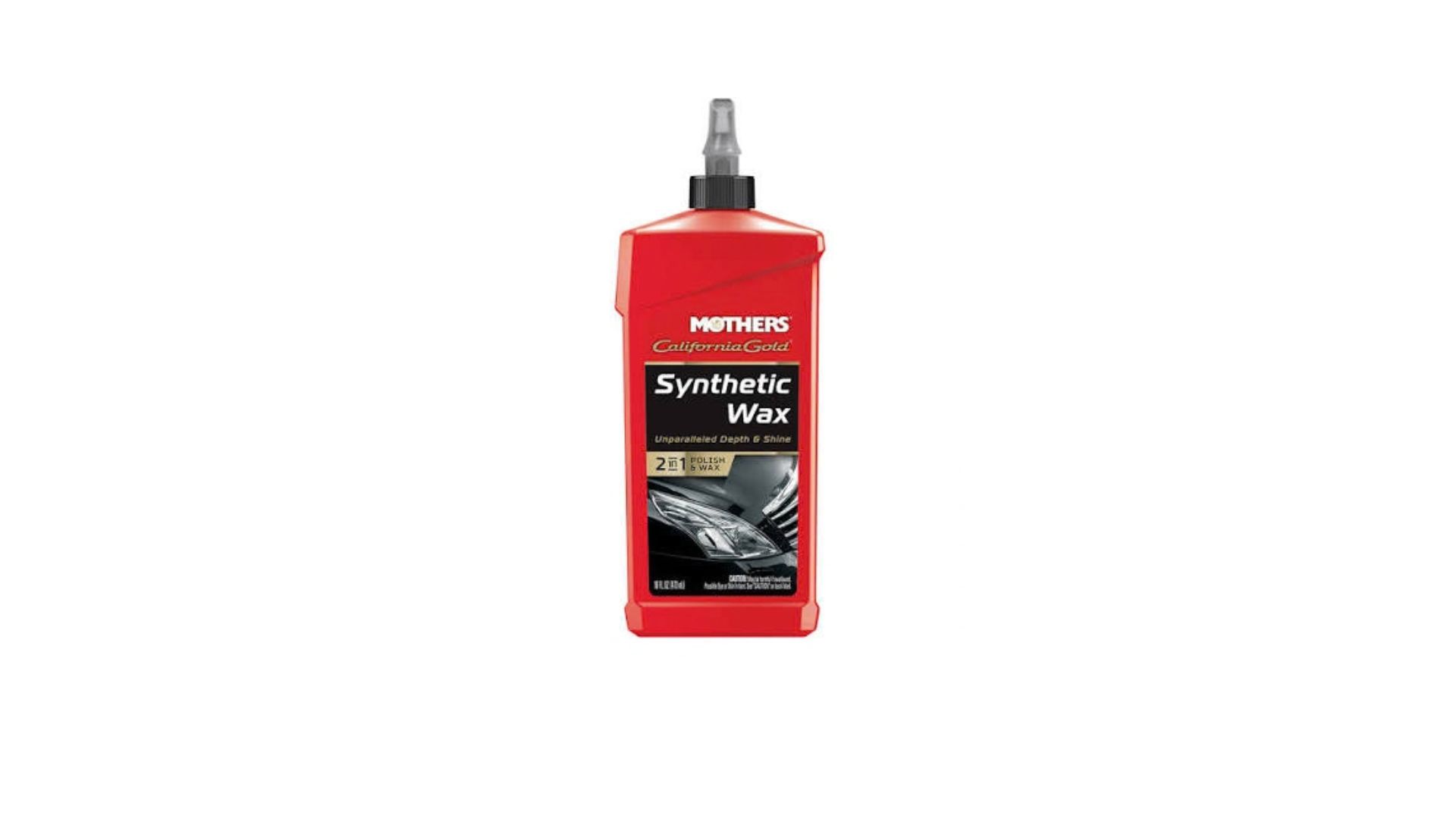
Mothers Synthetic Wax
Mothers is a long-established name in car care, and its synthetic wax formulas are marketed around advanced technology delivering a superior finish compared to traditional carnauba products. My Car Makes Noise reports that in practice, the product “can leave a streaky, hazy finish” that doesn’t match the high-gloss result customers expect given the synthetic formulation’s marketing. Streaking is often tied to application technique as much as the product itself, so working in smaller sections with thinner coats is worth trying before writing off the product entirely.
Dollar-Store and No-Name Waxes
Generic waxes sold at dollar stores and discount retailers rarely disclose their carnauba content or specific formulation, making it difficult to judge expected performance before buying. These products can be a reasonable option for a quick, low-stakes touch-up on an older vehicle, but detailing enthusiasts generally caution against expecting a lasting, protective finish comparable to an established brand’s mid-tier or premium product. For a vehicle you actually care about protecting long-term, the extra few dollars for a known formulation is generally considered worth it.
Spray Waxes Marketed as a Full Replacement for Paste Wax
Spray-on waxes are convenient and genuinely useful as a quick maintenance layer between full detailing sessions, but some are marketed with language suggesting they can fully replace a traditional paste or liquid wax application rather than supplement it. In practice, spray waxes typically provide a thinner protective layer with a shorter durability window than a proper paste wax application, meaning a vehicle maintained exclusively with spray wax may see less long-term paint protection than the marketing implies. Treating spray wax as a top-up between real wax applications, rather than a full substitute, sets more realistic expectations.
Waxes With No Disclosed Carnauba Percentage
Carnauba content is one of the most meaningful predictors of a wax’s shine depth and durability, yet many mid-tier and budget products don’t disclose the actual percentage used in their formulation, instead relying on marketing language like “premium carnauba blend” without specifics. That vagueness makes direct comparison between competing products difficult for buyers trying to judge value. Detailing forums and enthusiast communities generally recommend favoring brands willing to publish an actual percentage, since it’s one of the few concrete, comparable data points in an otherwise marketing-heavy category.
All-in-One Wax and Sealant Combination Products
Products marketing themselves as combining wax’s shine with a sealant’s durability in a single application are appealing for their convenience, but detailing enthusiasts frequently note that combination formulas tend to compromise on both fronts rather than truly delivering the full benefit of each individually. A dedicated sealant generally outlasts a dedicated wax, and a dedicated wax generally provides deeper shine than a sealant, meaning a combination product often lands in a middle ground that doesn’t fully satisfy either goal. For drivers wanting the best of both, applying a sealant as a base layer followed by a separate wax coat remains the approach most detailing enthusiasts recommend over an all-in-one shortcut.