

Few automotive product categories rely as heavily on the promise of a dramatic before-and-after as car wax does. Glossy bottles line the shelf with words like “mirror finish” and “showroom shine,” but the actual result depends heavily on formulation, application technique, and how well the product holds up once it’s exposed to sun, rain, and road grime.
Roundups such as My Car Makes Noise’s breakdown of car wax brands that fail to deliver single out specific products, usually without test data. This list covers the same five, plus four product types, and sticks to what the makers’ own pages and published tests show. In most cases the wax isn’t bad; the gap is between what the shopper expects and what that formula is built to do.
Turtle Wax Super Hard Shell
Turtle Wax is one of the most recognizable names in the category, and Super Hard Shell is its old-school formula. Turtle Wax’s own product page calls it the wax “used by your dad and maybe his dad before him,” prices the 9.5-ounce paste at $6, and promises protection that “lasts and lasts” without stating a number of months. The directions are traditional: work a half-ounce into a two-foot-square section, let it haze, buff it off, and keep it away from plastics, porous rubber, matte paint, and decals. That is real effort for an unstated result. When Consumer Reports tested 19 waxes in 2011, pastes performed no better than liquids overall. The same test put another Turtle Wax product, Ice Synthetic Paste Polish, among its recommended picks, so this is a caution about one traditional formula and not about the brand. If you buy Super Hard Shell, budget the time and plan on reapplying it.
Zymol Cleaner Wax
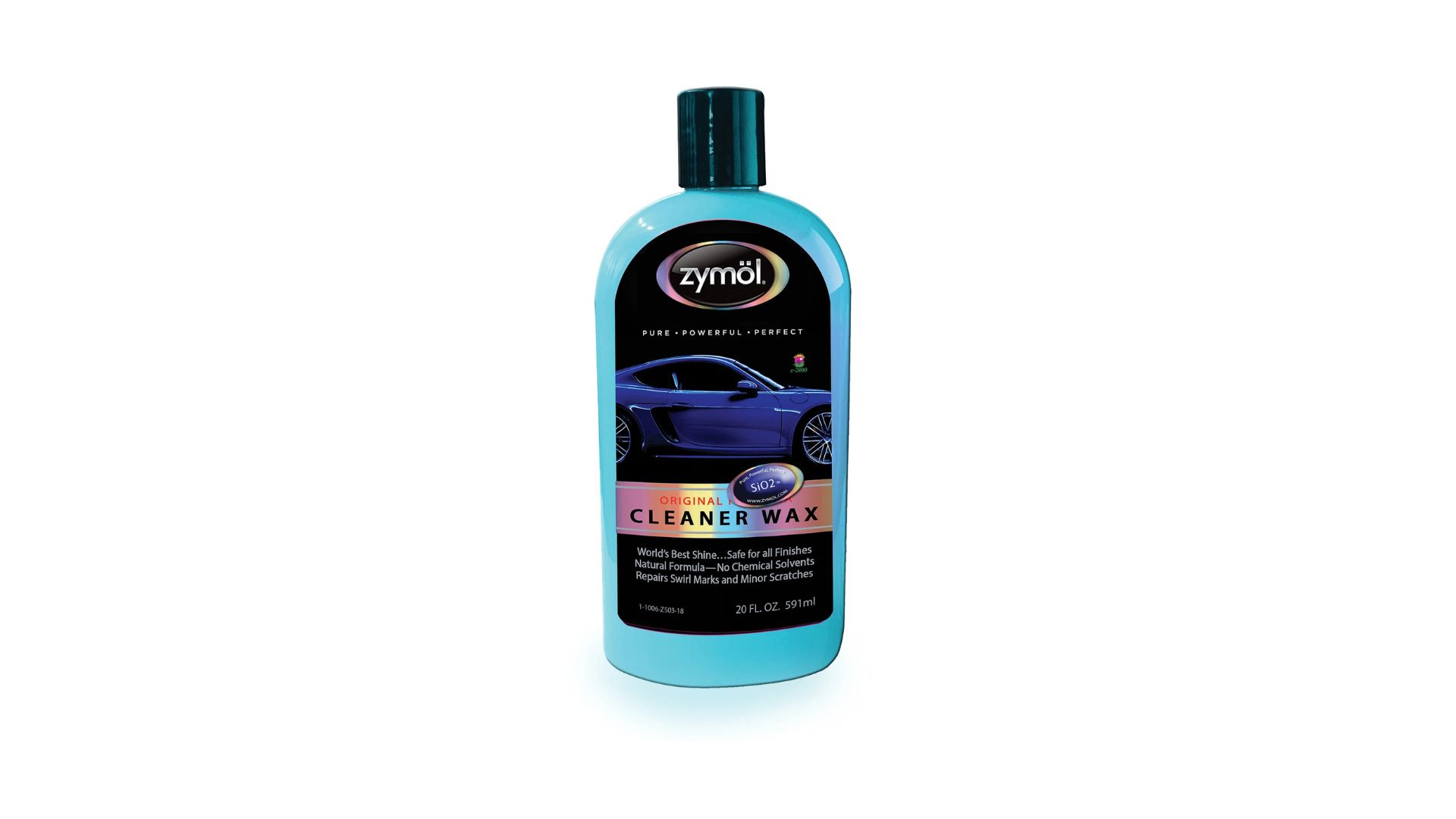
Zymol carries a premium reputation in detailing circles, built on its carnauba-based formulations, and that reputation is why its Cleaner Wax can surprise buyers. It is a different kind of product. Zymol’s product page describes it as a one-step cleaner and wax for maintenance between full details, lists 12% carnauba alongside ingredients such as kaolin clay and almond meal, and prices the 20-ounce bottle at $32. For maximum protection, Zymol says to apply it three to four times a year. The instructions are specific: straight overlapping lines, one two-foot section at a time, a 30 to 60 second rest, then buff. Zymol also says not to use it in direct sunlight or on a hot surface, and not on vinyl, decals, or flat paint. Skipping those steps is the usual route to smears and residue with any cleaner wax. Buyers expecting the deep finish of a dedicated finishing wax over polished paint are shopping in the wrong part of the catalog.
Nu Finish Liquid Car Polish
Nu Finish has marketed itself for years as “The Once A Year Car Polish,” positioning it as a low-maintenance alternative to regular waxing. In fairness, it tests well. In the Consumer Reports comparison, the liquid Nu Finish NF-76 was among the recommended products at $8, and the brand’s paste version topped its category as a CR Best Buy. What can leave buyers wondering is the calendar. Consumer Reports found that most products in the test showed a significant loss of protection within about five weeks, and it advised waxing even new cars every two or three months. A product can be one of the best values on the shelf and still not carry a daily driver through four seasons on a single coat. Treat the name as marketing and the bottle as a good, cheap protectant you’ll reapply a few times a year. Water that stops beading and lies flat on the hood is the sign it’s time for another coat.
Chemical Guys Butter Wet Wax
Chemical Guys has built a strong reputation in the detailing community, and Butter Wet Wax is one of its best-known products. The catch is durability, and it comes with the category. In The Drive’s hands-on review, the tester praised the wax as forgiving to apply and easy to wipe off, and said it delivers on the promise of a deep, wet shine. The reviewer also wrote that, as a traditional carnauba wax, you’ll be applying it at least monthly, and that a longer-lasting spray or hybrid product might suit anyone short on time. That fits what the product is: a carnauba cream made for looks first. The disappointment tends to come from buying it as long-term protection. It suits weekend cars, show prep, and owners who enjoy waxing. For a commuter parked outside all year, choose a synthetic sealant or ceramic product instead and save Butter Wet Wax for when you want the extra gloss.
Mothers Synthetic Wax
Mothers is a long-established name in car care, and its California Gold label covers very different products. The carnauba waxes many people associate with that name are one thing; California Gold Synthetic Wax is another. Mothers’ product page describes it as a formula of micro-encapsulated polymers that form a chemical bond to protect the paint, combined with ultra-fine polishes, and lists the 16-ounce bottle at $13.99. In other words, it is a polymer-based product and not a traditional carnauba wax. Buyers who grab it expecting the warm glow of carnauba can end up wondering what they bought. Streaks and haze with products like this usually trace back to technique: too much product, a warm panel, or a loaded towel. Work in small sections with thin coats on cool, clean paint, and flip to a fresh side of the microfiber often. If you want the carnauba look, buy the carnauba version; if you want a synthetic, this one is fairly priced.
Dollar-Store and No-Name Waxes
Generic waxes sold at dollar stores and discount retailers rarely disclose their carnauba content or formulation, making it hard to judge performance before buying. Price alone isn’t the problem. Consumer Reports found that premium wax brands don’t necessarily outperform lower-priced ones, and its top-rated paste cost $8. The difference is that an established budget brand gives you a label you can check: directions, cautions about trim and matte finishes, a manufacturer’s name, and a safety data sheet you can look up. A no-name bottle often has none of that, so you can’t tell whether it contains abrasive cleaners that might haze soft or dark paint, or whether it will leave white stains on black plastic trim. If you want to try one anyway, test it on a small, low panel first and check the result in sunlight. For a quick touch-up on an older vehicle the risk is small. For a car you care about protecting, spend the few extra dollars on a product that tells you what it is.
Spray Waxes Marketed as a Full Replacement for Paste Wax
Spray-on waxes are convenient and useful as a quick maintenance layer between full detailing sessions, but some are marketed as if they could replace a traditional paste or liquid wax. The testing record doesn’t support that. Consumer Reports left spray-on, wipe-off products out of its 2011 comparison because its earlier tests had shown them to be less effective for cleaning, ineffective against weather, and the worst for durability. Spray formulas have changed since then, but the basic logic still applies: a product you mist on and wipe off in ten minutes leaves a thin layer. A car maintained only with spray wax may get less protection than the label implies, especially if it lives outdoors. Use spray wax the way it works best, as a top-up after a wash to restore slickness and water beading over a base coat of liquid wax, paste, or sealant. If water has stopped beading entirely, a spray won’t fix it, and the car needs the full application.
Waxes With No Disclosed Carnauba Percentage
Carnauba content is one of the few concrete numbers in a marketing-heavy category, yet many mid-tier and budget products don’t disclose it, relying on phrases like “premium carnauba blend” instead. That vagueness makes it hard to compare competing products on value. Some makers do publish the figure. Zymol, for instance, lists 12% carnauba for the cleaner wax discussed above, which tells you immediately that it is a maintenance product and not a show wax. Don’t read the number as a durability score, though. It describes how much wax is in the jar, not how long it stays on the paint, and application and weather still decide that. What the percentage does tell you is whether the price is paying for wax or mostly for carrier and fragrance. When two products cost the same and only one states its carnauba content, the one that discloses it has given you something to check. Treat “contains real carnauba” with no figure attached as decoration.
All-in-One Wax and Sealant Combination Products
Products that promise a wax’s shine and a sealant’s durability in a single application are appealing, but detailing enthusiasts frequently note that combination formulas compromise on both. A dedicated synthetic sealant generally outlasts a carnauba wax, and a carnauba wax generally gives a warmer, deeper look than a sealant, so a blend tends to land in between. That is fine when time is the priority, such as a daily driver that gets attention twice a year. It makes less sense at a premium price. If the label claims both benefits, look for a stated durability figure and compare it with a plain sealant at the same cost; if there is no figure, assume the shorter-lived ingredient sets the schedule. For drivers who want the best of both, the usual advice is to apply a sealant as the base, let it cure for as long as its directions say, then add a separate coat of wax. It takes longer, but each product does the job it was made for.