

Some cars are so common during their production run that nobody bothers to think of them as special. They’re the ones filling parking lots and rental fleets, the default answer to “what should I get for a reliable commuter,” praised in period reviews for competence rather than passion. Nobody was hanging posters of them on a bedroom wall.
And then, decades later, something shifts. The ordinary example that everyone’s parents drove becomes hard to find in clean condition, the badge starts showing up at cars-and-coffee meets, and a car nobody thought twice about starts commanding real attention and, in some cases, real money. Here are nine that made that quiet transition.
Toyota MR2 (Second Generation)
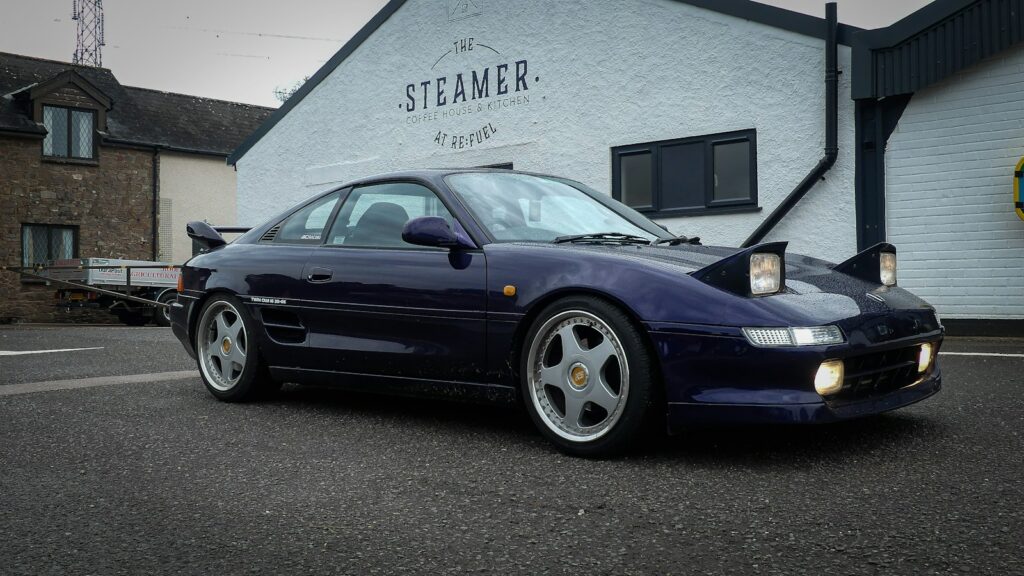
The second-generation MR2 was a solid, competent mid-engine sports car during its production run, but it lived in the shadow of flashier contemporaries and was frequently viewed as simply a cheaper, more practical alternative to more exotic mid-engine layouts. Depreciation hit it hard through the 2000s, and clean examples were genuinely easy to find for very little money. That affordability meant plenty were modified hard or driven into the ground, and the surviving stock examples have become increasingly scarce, turning a once-overlooked sports car into a genuinely sought-after piece of Japanese performance history among enthusiasts who missed it the first time around.
Volkswagen Mk4 GTI
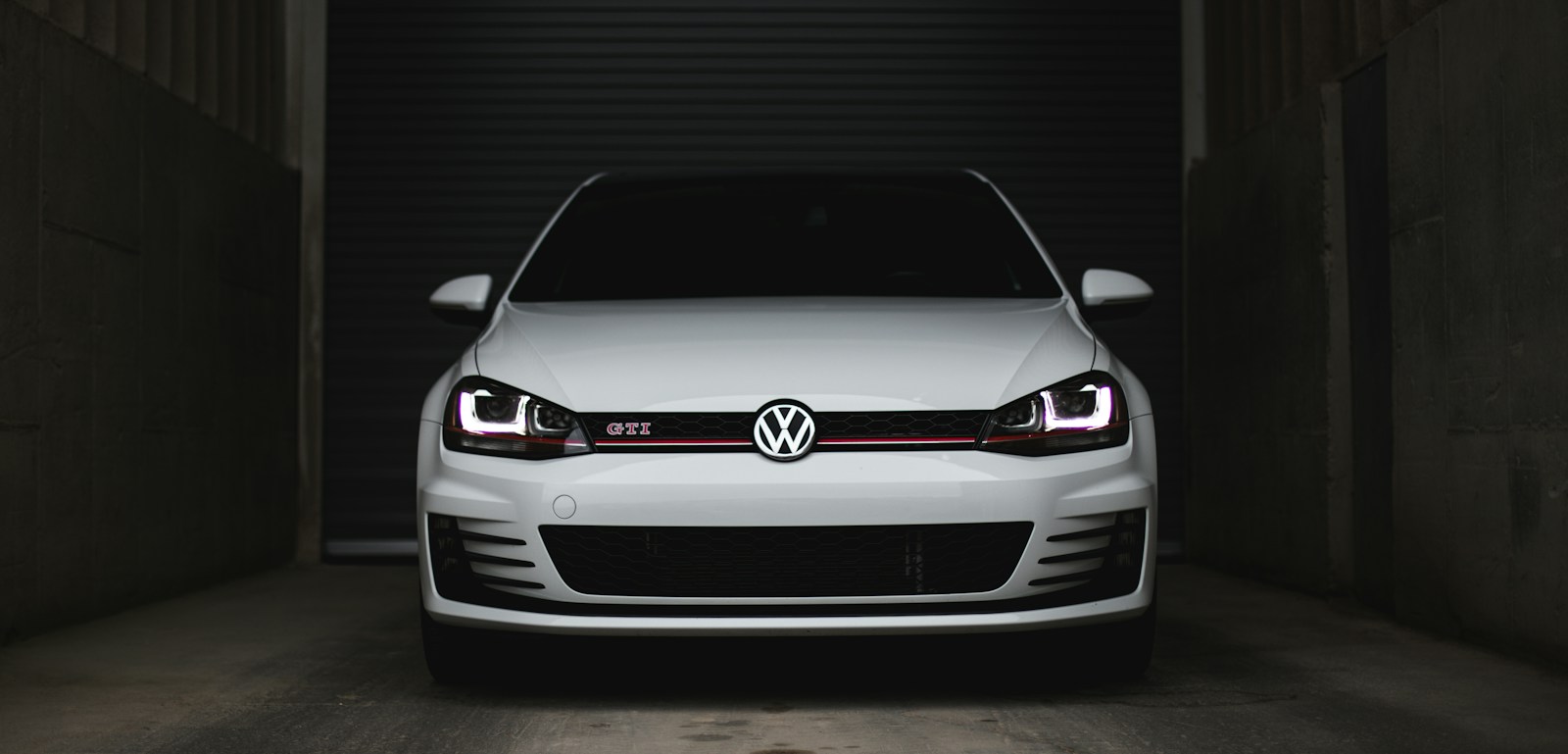
The Mk4 GTI was, for years, simply the default hot hatch recommendation — well-regarded but not particularly celebrated, and often criticized in period for electrical gremlins and interior trim issues that dinged its reputation as it aged. Its ubiquity on college campuses and in daily-driver listings made it feel disposable rather than collectible. As cleaner examples have become harder to find and the hot hatch as a body style has become rarer overall in a market dominated by crossovers, the Mk4’s combination of the VR6 engine option, understated styling, and genuine driving engagement has made well-kept examples increasingly desirable to a generation nostalgic for exactly the kind of car it once took for granted.
Acura NSX (First Generation)
Even the original NSX, now broadly celebrated as a landmark supercar, spent years as something of an afterthought in used car listings, overshadowed by Italian exotics with louder names and higher price tags despite arguably superior everyday usability and reliability. Values stagnated for a long stretch before collectors and enthusiasts more broadly recognized what Honda had actually achieved: a genuinely exotic driving experience with none of the typical exotic ownership headaches. That recognition arrived late enough that the transition from “reasonably priced used sports car” to “blue-chip collectible” happened faster than almost anyone anticipated.
Ford Ranger (Compact Pickup Era)
Compact pickups like the Ranger were workhorses, not aspirational purchases, bought by people who needed a truck bed and didn’t want a full-size vehicle’s fuel bill or parking footprint. Nobody was nostalgic about them while they were still in showrooms. Since manufacturers largely abandoned the true compact truck segment in favor of larger, more expensive models, clean examples of the old Rangers have become genuinely difficult to find, and demand from buyers who specifically want a simple, right-sized truck has pushed values on well-kept examples noticeably higher than anyone would have predicted a decade ago.
BMW E39 5 Series
The E39 was, in its day, simply the class benchmark — respected by reviewers and owners alike, but common enough on roads that it didn’t register as special so much as simply correct. Depreciation followed the usual luxury sedan curve, and plenty of examples were run into the ground by owners unwilling to pay for the maintenance a used luxury car demands. The E39’s reputation as one of BMW’s best-driving and best-built sedans has only grown as newer generations added weight, complexity, and touchscreen-heavy interiors, making well-maintained examples increasingly prized by enthusiasts chasing a specific, analog driving feel that’s harder to find in current models.
Mazda RX-7 (Third Generation, FD)
The FD RX-7 sold in relatively low numbers in the U.S. and was often viewed as a niche choice next to more mainstream Japanese sports cars, hampered by rotary engine maintenance concerns that scared off buyers who didn’t want to deal with its quirks. That same rotary complexity thinned the surviving population considerably, since neglected examples failed at a higher rate than more conventional competitors. The cars that survived in good condition, maintained by owners who understood what they were dealing with, have become genuinely rare and are now recognized as one of the most distinctive sports cars of their era rather than simply a maintenance liability.
Chevrolet SSR
Chevrolet’s retro-styled convertible pickup was a genuine sales disappointment, criticized for being heavy, underpowered in its early years, and impractical as either a true truck or a true sports car, occupying an odd middle ground that confused buyers. It sold in modest numbers and was largely forgotten once production ended. Its sheer strangeness — a hardtop convertible pickup unlike anything else GM or any competitor built — has since made it a conversation piece and a growing curiosity among collectors specifically drawn to its unrepeatable, oddball concept.
Saab 900 (Classic)
The classic Saab 900 was a common sight through the ’80s and into the ’90s, known for quirky ergonomics and turbocharged performance but frequently taken for granted as simply an alternative to German luxury competitors rather than a car worth preserving. Saab’s eventual financial troubles and ultimate closure gave the brand’s back catalog a finality that reframed how enthusiasts view it, and the 900’s genuinely distinctive design details — the ignition switch on the floor, the wraparound windshield — have become charming eccentricities that a shrinking supply of clean, rust-free examples makes increasingly desirable.
Honda S2000
The S2000 was well-reviewed when new but sold in relatively modest numbers next to Honda’s mainstream lineup, and its high-revving engine and firm ride made it a car enthusiasts respected more than the broader market embraced. It spent a solid stretch of years as a comparatively affordable used sports car option. As appreciation has grown for naturally aspirated, driver-focused sports cars in a market increasingly dominated by turbocharged and electrified performance, clean S2000 examples have seen values climb substantially, rewarding owners who held onto theirs through years when the car was easy to overlook.