

A dash cam only matters in the moment you actually need the footage, which is exactly why picking a reliable brand upfront is worth more than saving twenty dollars on a no-name model. Video resolution, GPS logging, and parking-mode monitoring all vary significantly between brands, and independent tech reviewers have tested most of the major names enough times to have a real opinion.
Before you buy the cheapest option in your cart, these nine options from eight brands come up consistently in independent dash cam testing and comparisons.
Nextbase
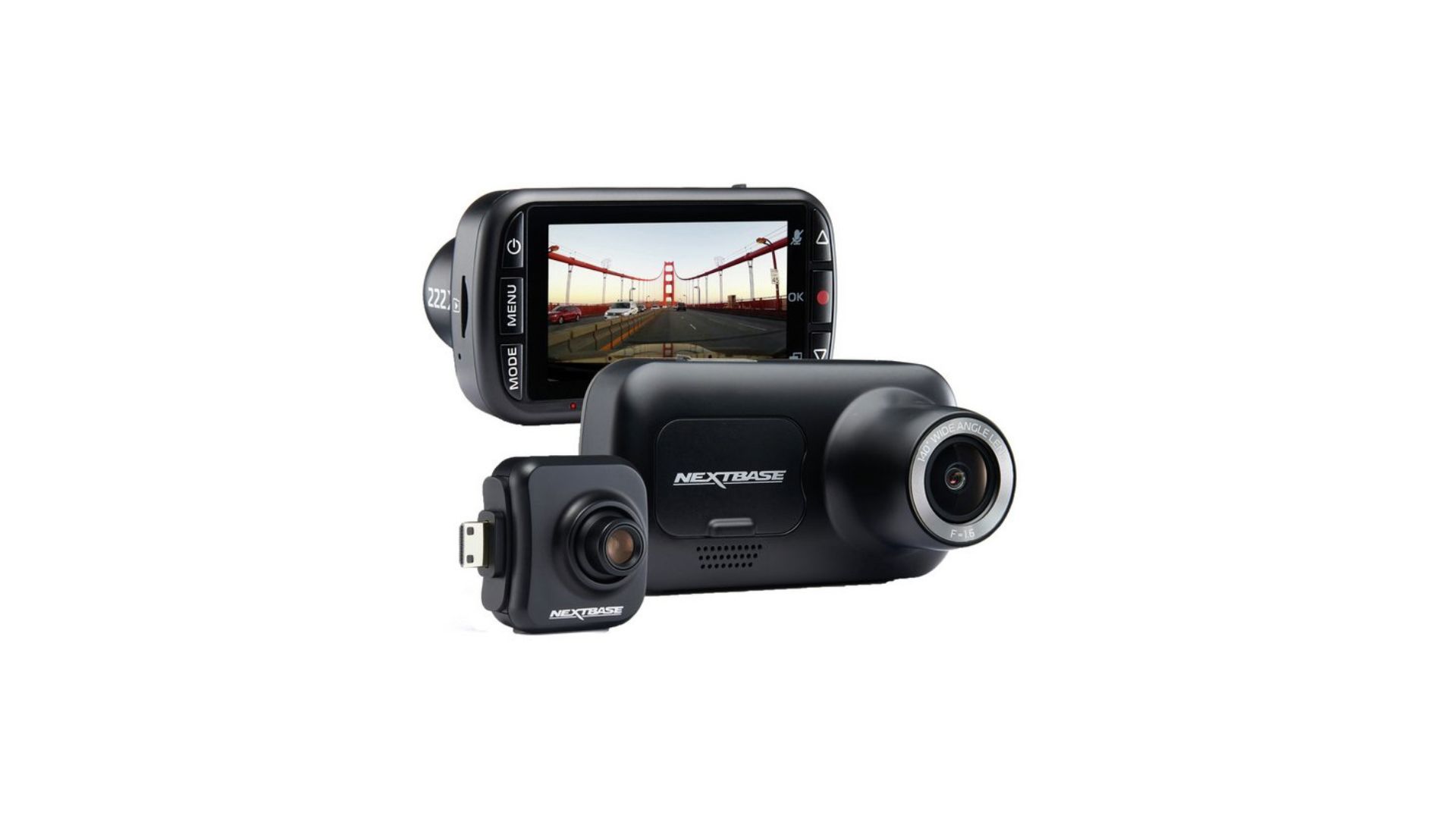
Nextbase has built a strong reputation in independent tech reviews, with its 622GW and other higher-end models frequently recommended in comparisons from outlets like TechRadar’s dash cam testing for video quality and feature set. TechRadar’s guide credits the 622GW with 4K video, strong night vision, a polarizing filter, image stabilization, Alexa integration and what3words location sharing. The same guide names the newer Nextbase iQ its best smart dash cam, with an interior camera included, but lists a required paid subscription and a high price among the drawbacks. The Piqo is the brand’s cheaper alternative, with pared-back versions of the smart features. Sort out that spread before buying: decide whether you want a self-contained camera that records to a card, like the 622GW, or a connected one with a monthly bill. Nextbase’s higher-end models cost more than generic budget dash cams, but the brand’s steady presence in independent testing gives buyers more to go on than a no-name option with no third-party review history.
Garmin
Garmin brings its long history in GPS navigation and automotive electronics into the dash cam category, and its lineup is frequently compared directly against Nextbase in independent reviews, per head-to-head comparisons from tech outlets. GPS logging is useful because it ties speed and location data to the footage, a detail that can matter in an insurance claim or accident dispute, but do not assume every Garmin has it. TechRadar’s guide lists the Dash Cam X310 with GPS, 4K video at 30 frames per second with HDR, a built-in polarizing filter and a 2.4-inch touchscreen, while it lists the smaller Mini 3 without GPS. Check the spec line for the exact model in your cart. TechRadar also recommends the Garmin DriveCam 76, which pairs a dash cam with a navigation screen, as its pick for older cars, though it calls that unit expensive and large enough to obstruct the view. Garmin’s reputation for reliable consumer electronics, built over decades of GPS devices, carries weight against less established competitors.
Vantrue
Vantrue has built a following among dash cam enthusiasts and rideshare drivers, with its multi-channel and 4K models often recommended in independent buyer’s guides. The appeal for anyone who drives for a living is coverage: a camera that records the cabin as well as the road documents what happens inside the vehicle, not just in front of it. TechRadar’s guide includes three Vantrue models that show the range. The Nexus 5S records four angles, inside and out, with high-quality footage, but requires hardwiring. The E360 uses dual 210-degree lenses for a true 360-degree view and adds a rear camera. The E1 Pro is the compact option, with good 4K quality and support for memory cards up to 1TB. More channels mean more video, so budget for a large, high-endurance card and check the maximum size each model accepts. Before recording passengers, look up your state’s rules on recording conversations and any notice your rideshare platform requires, since some states require consent for audio.
Thinkware
Thinkware has built a reputation in independent reviews for strong parking-mode features, including motion and impact detection that can trigger recording while the vehicle is off and parked. That feature set requires a hardwiring kit that draws power from the vehicle’s battery without draining it. For drivers most concerned about protecting a parked vehicle, whether from a hit-and-run in a parking lot or vandalism, that is a common reason reviewers recommend the brand over cameras that only record while driving. Plan the installation before you buy. Hardwiring means running a cable to the fuse box and choosing the right fuse taps, a job many owners hand to a car audio shop. If the car sits for days at a time, set the kit’s low-voltage cutoff conservatively so the engine still starts. Not every model has every feature: TechRadar’s guide describes the Thinkware X1000 as a solid dual-camera option with a large touchscreen and an intuitive interface, but notes it lacks built-in GPS.
VIOFO
VIOFO built its reputation largely through word of mouth on dash cam enthusiast forums and independent review sites, often praised for offering features comparable to pricier brands like Nextbase and Garmin at a lower price. Its A129 and similar lines are frequently recommended to buyers who have researched the category and want value rather than the cheapest generic camera online. The brand has also moved upmarket. TechRadar names the VIOFO A329 its best all-rounder, citing excellent 4K video at 60 frames per second, a dual-camera setup, strong low-light performance and support for SSD storage up to 4TB. The same review lists the trade-offs: complex installation, a bulky body, tight cable connectors and a high price. The three-camera A229 Pro gets similar notes, with complete coverage that takes significant wiring. Match the model to your patience for installation. A single front camera plugs into a 12V socket in minutes, while a front, rear and interior setup means routing cables along the headliner and down the pillars.
BlackVue
BlackVue sits at the premium end of the market, with cloud-connected models that allow remote live viewing and cloud backup of footage, aimed at drivers and fleet operators who want to check on a vehicle without pulling the memory card. The cloud service is the part to price out. BlackVue’s North American site lists a free plan with 10 live views per day and 5GB of cloud storage for one camera, a Lite plan at $3.99 a month, a Smart plan at $7.99 a month with unlimited live view, and a fleet plan for businesses. The camera also needs an internet connection in the car: a Wi-Fi hotspot, a model with a built-in LTE modem, or the optional LTE module with its own SIM card. That data service is a second recurring cost. Most other brands on this list work as standalone devices with no subscription, so BlackVue makes the most sense for fleets or for drivers who specifically want remote access and will pay for it monthly.
70mai
70mai has built a reputation as a value-oriented dash cam brand, often included in international comparison reviews for offering capable hardware, including 4K recording on some models, at prices well below premium competitors. TechRadar’s guide features two of them. The Dash Cam 4K Omni is its pick for 360-degree coverage, with a rotating front lens that shoots 4K at 60 frames per second and improved low-light performance. The reviewers’ complaints are a weak app, a bulky design and advanced parking features that require a hardwire kit. The triple-camera 4K T800 earns five stars in the same guide for its Sony sensors and capable parking suite. Check the storage before ordering: TechRadar lists the Omni with built-in eMMC memory of 32GB to 128GB rather than a removable card, so you choose the capacity at purchase. For budget-conscious buyers who want a step up from unbranded marketplace cameras, 70mai shows up often enough in independent testing to be a reasonably safe pick.
Garmin Mini series
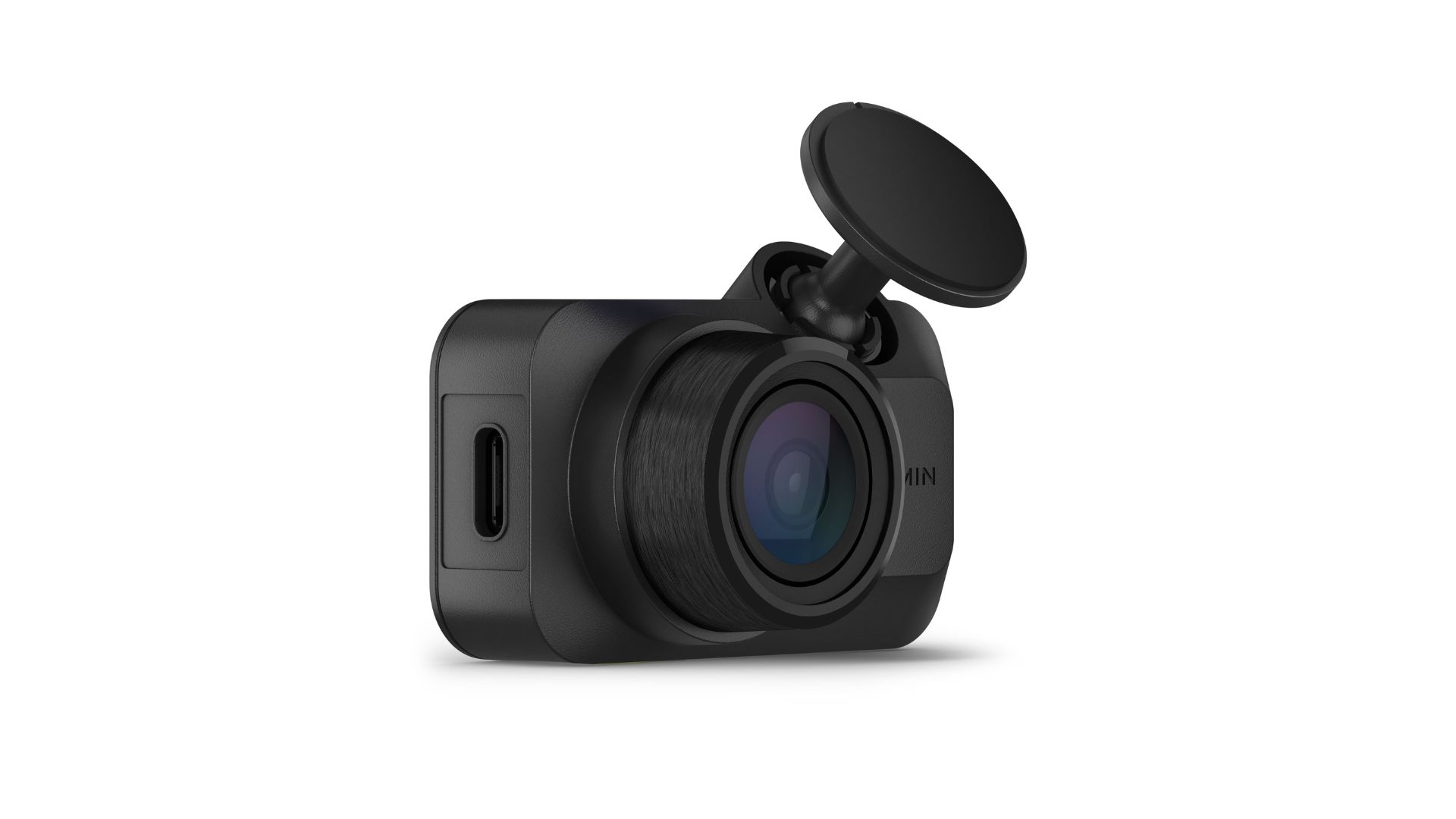
Garmin’s Mini series takes a different approach from the brand’s standard dash cams, prioritizing a compact, nearly invisible form factor that tucks behind the rearview mirror. Garmin describes the current Mini 3 as an ultracompact camera that records 1080p video with a 140-degree field of view, a built-in polarizer, voice control and automatic incident detection. TechRadar names it the best budget dash cam, praising the tidy design and footage quality, and lists the compromises: no 4K, no screen, no GPS and no memory card in the box. With no display, setup and playback run through Garmin’s smartphone app, a trade-off worth knowing if you prefer physical controls. Buy a microSD card at the same time, and use the app to check the camera’s view before you stick the mount down, since you cannot see the framing on the camera itself. For drivers who want protection without a visible camera cluttering the windshield, the Mini series is frequently recommended for exactly that.
Rexing
Rexing has built a presence in the budget-to-mid-range segment, with its V1 and similar models often appearing in buyer’s guides as an accessible option for drivers new to dash cams. The V1 line covers the basics. Rexing lists the V1-4K with 4K recording at 30 frames per second, a 170-degree viewing angle, a 2.4-inch screen, built-in Wi-Fi and a supercapacitor the company describes as temperature resistant. Loop recording overwrites the oldest unlocked clips when the card fills. Two things are not in the box: the memory card, which can be up to 512GB, and the hardwire kit needed to use parking surveillance mode. Rexing’s regular price for the V1-4K is $119.99. Wide availability through major online retailers makes the brand a common recommendation for a first dash cam, when you are not yet sure how much you will use the advanced features on pricier models. It is a reasonable starting point for testing whether a dash cam fits your driving routine.