

American automotive history isn’t just a highlight reel of Mustangs and Corvettes. Tucked into the decades between those icons are cars that took real chances — on styling, on engineering, on entire business models — and then quietly disappeared from public memory because the timing was wrong, the marketing was worse, or corporate politics got in the way of the product actually succeeding.
These aren’t obscure curiosities nobody’s ever heard of; most of them were genuinely well-reviewed, sometimes even class-leading, when they launched. What they lacked was the studio backing, the dealer support, or the plain good luck that turns a good car into a legendary one. Here are nine that earned a better ending than they got.
Tucker 48
Preston Tucker’s postwar sedan arrived with a rear-mounted flat-six, a center headlight that turned with the steering, a padded dashboard, and a safety-focused windshield designed to pop out on impact rather than shatter inward — features years ahead of what Detroit’s Big Three were offering at the time. The company built only a small handful of cars before a combination of financial trouble, parts-supply problems, and a very public federal fraud investigation shut the operation down, and Tucker was ultimately acquitted of all charges, though by then the damage to the company was already done. Whether the collapse was driven by genuine business missteps or by pressure from entrenched competitors remains a subject of debate among historians to this day. What’s not in dispute is that the surviving cars are treasured today precisely because they represent innovation that the rest of the industry took years to catch up to. It’s one of the purest what-if stories in American manufacturing, a car canceled not for lack of ambition but for lack of runway.
Studebaker Avanti
Designed in a hurry by a small team working out of a rented desert house, the Avanti’s fiberglass body and jet-age styling looked like nothing else Studebaker — or really anyone — was building in the early 1960s. It offered genuinely competitive performance for the era, including an optional supercharged engine, wrapped in a shape so distinctive that independent companies kept building slightly updated versions of it for decades after Studebaker itself stopped making cars entirely. Quality control issues during the fiberglass body’s early production run hurt its reputation before the company had fully worked out the manufacturing kinks, and Studebaker’s overall financial collapse meant the Avanti never got the years of refinement a mainstream model would have received. Buyers who found one anyway got a genuinely striking, comfortable grand tourer that punched well above its badge’s declining reputation. It remains one of the most design-forward cars any American manufacturer built in that decade, undone mostly by the fact that its parent company was already circling the drain.
Chrysler Airflow
Decades before aerodynamics became a marketing buzzword, the Airflow was engineered around wind-tunnel testing and unibody construction at a time when most American cars were still built on separate body-and-frame designs with styling driven purely by tradition. Its rounded, streamlined shape was genuinely more efficient and, by most engineering measures, a better car than the competition, but it looked so radically different from what buyers expected that showroom reaction ranged from curious to openly hostile. Early production problems, with the first few thousand cars leaving the factory with major defects, gave skeptical buyers an easy excuse to walk away, and sales never recovered even after the issues were fixed. Chrysler pulled back hard on styling risk-taking for years afterward, a caution that arguably held the company’s design language back for a generation. The Airflow is now recognized by historians as an engineering achievement that arrived a solid decade before the public was ready to embrace it.
Oldsmobile Toronado
The first American car in decades to pair front-wheel drive with a big, powerful V8, the Toronado’s low, muscular fastback styling looked like nothing else GM was building in the mid-1960s, and the engineering underneath was a genuine flex of what General Motors could do when it wanted to. Front-wheel drive at that scale and power level was a serious technical achievement, freeing up interior space and giving the car a flat floor that competitors couldn’t match. It never became the sales powerhouse GM hoped for, partly because the personal-luxury coupe segment it competed in was crowded, and partly because buyers in that era simply weren’t asking for front-wheel drive in a car this large. Later Toronado generations softened both the styling and the engineering ambition, chasing broader appeal instead of building on what made the original so interesting. The first-generation Toronado still stands as proof that Detroit was capable of genuinely bold engineering when the stars aligned, even if the buying public didn’t reward it the way it deserved.
AMC Eagle
American Motors put four-wheel drive under a raised passenger-car body years before the crossover became the default American vehicle shape, essentially inventing the segment that now dominates every dealer lot in the country. The Eagle wagon and sedan handled genuinely well for their era, offering car-like comfort with real all-weather capability at a time when four-wheel drive mostly meant a truck or a dedicated off-roader. AMC’s chronic lack of marketing budget and its ongoing struggle to compete with the Big Three meant the Eagle never got the promotional push a genuinely category-defining vehicle deserved. The company was absorbed by Chrysler not long after, and the four-wheel-drive Eagle was dropped within a year, its name passed to a new Chrysler brand selling unrelated cars. Every time an automotive writer marvels at how crossovers took over the market, it’s worth remembering AMC built the blueprint years before anyone else figured out there was a market to take over.
Chevrolet Corvair (Late Models)
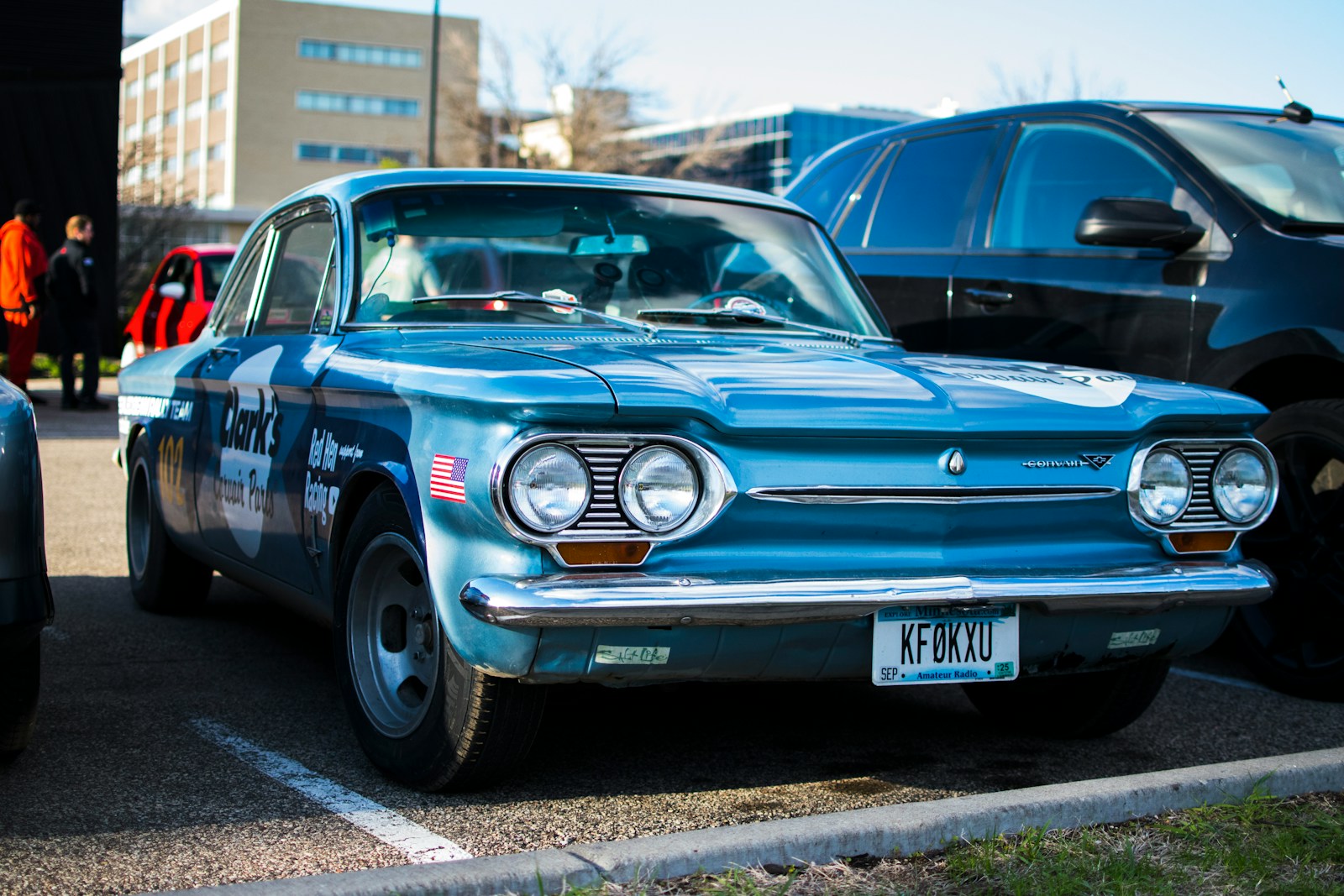
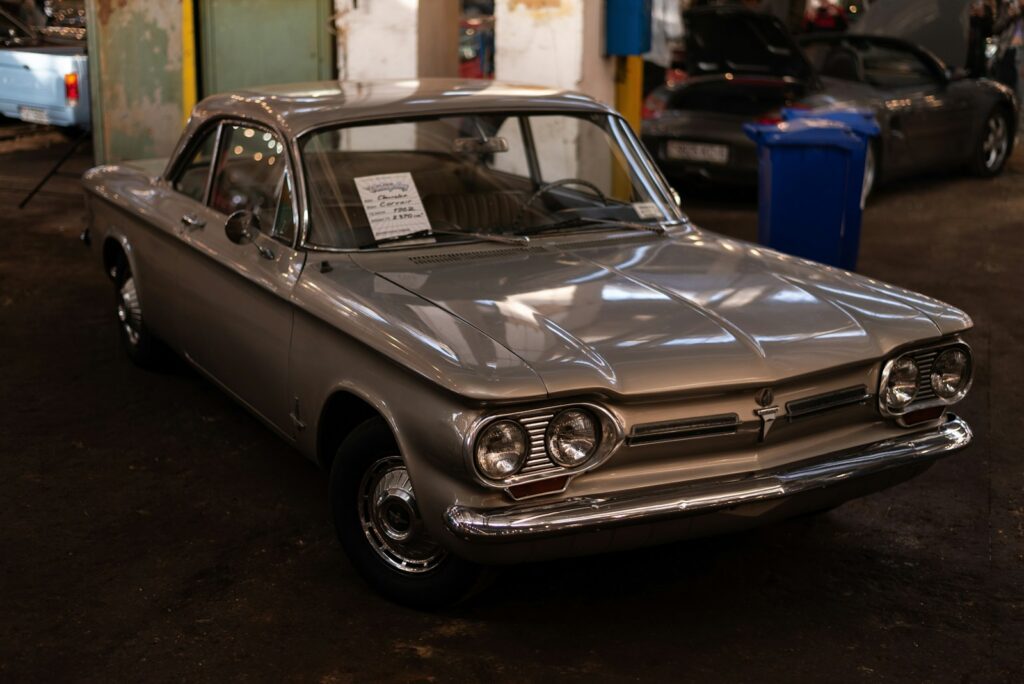
The Corvair’s reputation never fully recovered from Ralph Nader’s “Unsafe at Any Speed,” which devoted a chapter to the swing-axle rear suspension used on early models. Chevrolet had already redesigned the rear suspension for the 1965 model year, replacing the swing axles the book criticized, and the improved Corvair earned praise from contemporary road testers who found it a genuinely enjoyable, well-balanced car to drive. The book arrived after that redesign was in showrooms, but the court of public opinion rendered its verdict anyway, and sales never came close to recovering. GM discontinued the Corvair not long after, closing the book on America’s only mass-produced rear-engine passenger car. It’s a rare case where the car that got canceled was demonstrably better than the one that had inspired the controversy in the first place, a distinction that gets lost every time the Corvair comes up in conversation.
Buick Reatta
Buick’s two-seat personal luxury coupe was hand-assembled on a dedicated line using a build process closer to a boutique manufacturer than a mainstream GM brand, complete with a touchscreen infotainment display that was strikingly ahead of its time for the late 1980s. The car offered a genuinely comfortable, well-built driving experience wrapped in clean, understated styling that aged better than a lot of its more flamboyant contemporaries. Buick’s traditional buyer base skewed older and less interested in a sporty two-seater, though, and the touchscreen technology proved more novel than intuitive for a customer base that mostly wanted simple buttons. Low sales volume made the expensive hand-built production process increasingly hard to justify, and GM pulled the plug after a short run. The Reatta remains a fascinating example of GM experimenting with boutique manufacturing and cutting-edge tech on a brand nobody expected to see either from.
Plymouth Prowler
Chrysler built a factory hot rod, open-wheel fenders and all, and somehow sold it through regular Plymouth dealers with a warranty — a genuinely audacious move for a mainstream automaker in the late 1990s. The Prowler’s aluminum-intensive construction was a serious engineering exercise, and its styling remains one of the most literal translations of hot-rod culture any factory has ever attempted. Its V6 powertrain, borrowed from more pedestrian Chrysler products, never matched the visual promise of the bodywork, disappointing buyers who expected a V8 to match the attitude. Plymouth itself was discontinued not long after the Prowler’s debut, orphaning the car under the Chrysler brand for its final production years. It’s remembered fondly today as proof that a major manufacturer was once willing to greenlight something this weird, even if the drivetrain never quite lived up to the fenders.
Saturn
GM built Saturn from scratch as a genuinely different kind of car company, with dent-resistant polymer body panels, a no-haggle pricing model, and a customer service philosophy that earned real loyalty from owners who’d been burned by the traditional dealership experience elsewhere. Early Saturns weren’t fast or luxurious, but they were solidly built, easy to live with, and backed by a buying experience that felt refreshingly honest compared to the rest of the industry at the time. GM’s internal politics and inconsistent long-term investment meant Saturn never got the sustained product development it needed to grow beyond its original economy-car roots. Later Saturns increasingly became rebadged versions of other GM products, diluting exactly what had made the brand distinctive in the first place. GM shut Saturn down entirely during its 2009 bankruptcy restructuring, ending an experiment that a lot of loyal owners still insist deserved a real second act rather than a slow fade into rebadge territory.