

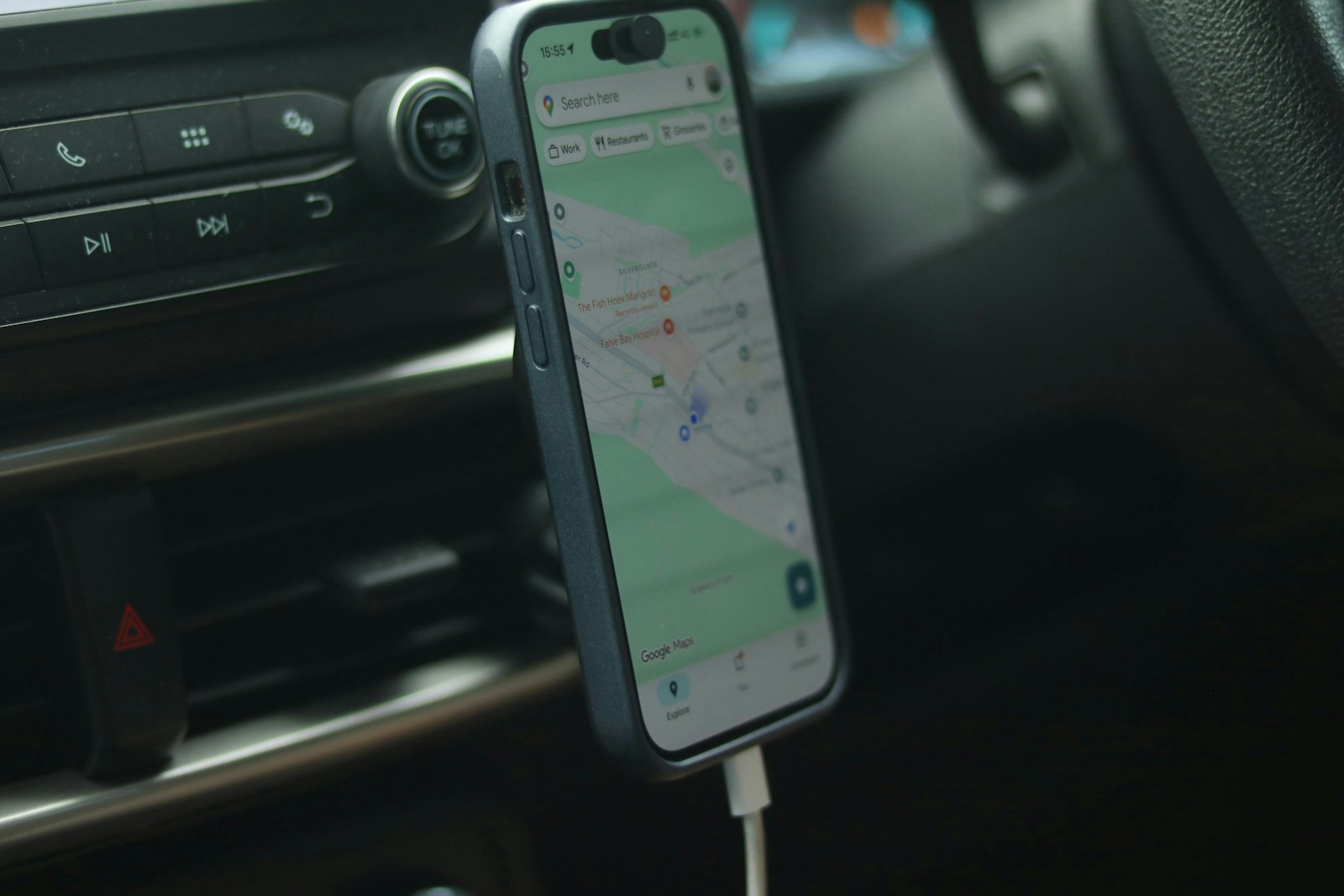
A phone mount seems like a simple accessory until the cheap one you bought starts drooping at every pothole, dropping your phone right when you need the navigation prompt most. Grip strength, vent-clip durability, and how much the mount actually blocks your view of the road all separate the brands worth buying from the ones headed for a landfill in a month.
These nine brands cover the main mounting styles, from spring clamps and magnets to seat-rail arms, so you can match one to your car, your phone, and where you want the screen to sit.
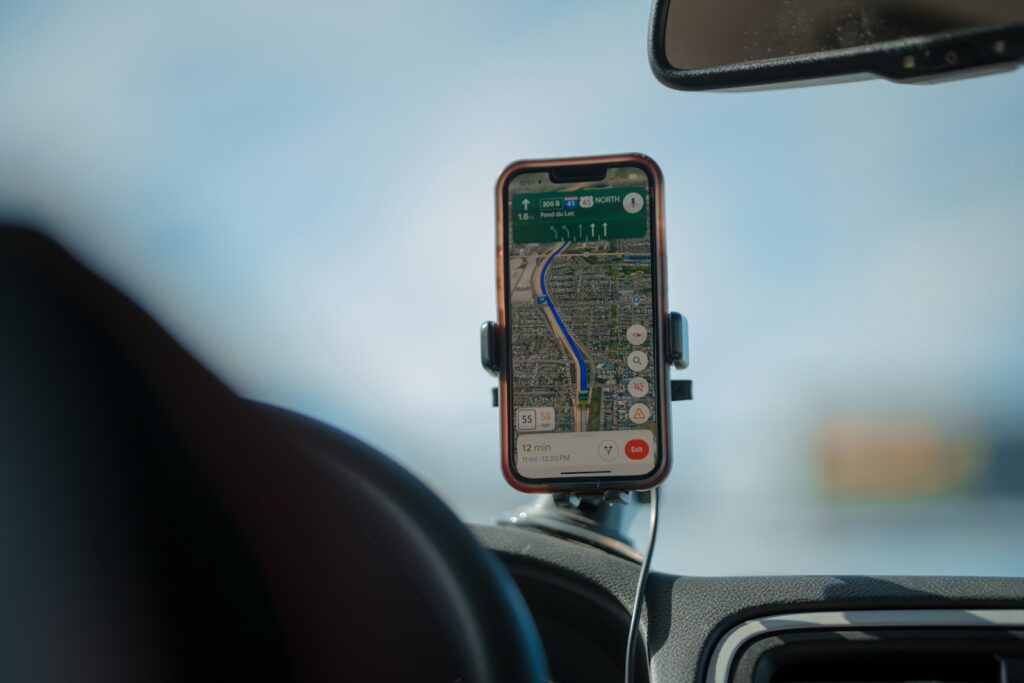
iOttie Easy One Touch
iOttie’s Easy One Touch series is one of the longest-running designs in this category, and the appeal is in the name: a spring-loaded clamp you can load and release with one hand instead of fumbling with adjustments while driving. iOttie has taken the design through several generations, refining the clamp and the dashboard and vent mounting options along the way. The current Easy One Touch 6 dash and windshield mount has a telescopic arm that extends from 5 to 6.75 inches, a rotating ball joint for setting the viewing angle, and an adjustable bottom foot for different phone sizes. iOttie lists it at $26.95 with a two-year warranty.
Before you press the suction base down, sit in your normal driving position and hold the mount where you plan to put it. The phone should sit below your sightline to the road, not in it. Wipe the spot clean first, because dust and dashboard dressing are the usual reasons a suction base lets go.
Scosche MagicMount
Scosche’s MagicMount line uses magnets rather than a mechanical clamp, so it needs either a phone case with a built-in metal plate or a thin adhesive metal disc applied to the back of the phone or case. The payoff is simplicity: attaching and removing the phone is a single quick motion instead of opening and closing a clamp. The line spans vent, dashboard, and CD-slot versions, which gives you flexibility in where the mount attaches in your particular vehicle.
The plate is where most people go wrong. Stuck in the center of the phone’s back, a metal plate can get in the way of wireless charging, so if you charge on a pad, place it low or tuck it inside the case away from the charging coil. A thick or rugged case also puts more distance between plate and magnet and weakens the hold. Test the grip with the case you actually use, on a rough road, before you trust it on the highway.
Belkin Car Vent Mount
Belkin brings its broader consumer electronics reputation into the phone mount category with its Car Vent Mount line, built around a clamp-style cradle on a vent clip. If you already own Belkin chargers and cables, the name carries some crossover trust, and the format is the most common one in this category, so it is easy to compare against cheaper rivals.
With any vent mount, the vent matters as much as the mount. Clips are made for straight horizontal or vertical slats and often will not hold on round or recessed vents, so look at your dashboard before you order. Push the clip all the way onto the slat and check that the phone’s weight does not pull the louver downward, which is how vent mounts end up drooping. In winter, close that vent or redirect it so hot air is not blowing onto the back of the phone for an entire drive. If the slats feel thin or brittle, choose a dashboard or windshield mount instead.
WixGear Windshield Mount
WixGear has built a following for suction-cup windshield and dashboard mounts, an alternative to the vent clip that some drivers prefer for a better viewing angle, particularly in vehicles where the vents sit too low or too far from the driver’s line of sight. As with any suction mount, the seal can weaken with heat and time, so expect to re-seat it occasionally. Rinsing the gel pad with water and letting it air-dry usually brings the stickiness back.
Placement is the part to get right, because windshield rules vary by state. California’s law on portable GPS units, for example, allows a seven-inch square in the lower corner of the windshield farthest from the driver, or a five-inch square in the lower corner nearest the driver, and outside the airbag deployment zone. Check your own state’s rule before you mount anything on the glass. Low and in a corner is the safe default.
Spigen OneTap
Spigen, better known for its phone cases, carries that reputation into its OneTap phone mount line, which uses a magnetic system similar in concept to Scosche’s MagicMount. The brand has years of case and screen protector sales behind it, and the OneTap mounts are designed to pair with Spigen’s own compatible cases. For existing Spigen case owners, staying with the same brand’s mount avoids compatibility guesswork with a third-party system.
How well a magnetic mount holds depends on what sits between the magnets. A phone or case with its own magnet ring snaps into alignment; a plain case with no magnets will not hold reliably, and a wallet or grip attached to the back stops it from working at all. Before you rely on it, attach the phone and give the mount a firm shake by hand. If the phone slides or twists, sort out the case first. Remember too that a magnet-only mount has no arms to catch a heavy phone on a hard bump.
Peak Design Mobile
Peak Design built its reputation in camera and bag accessories, and its Mobile line applies the same thinking to phones. The company’s Car Mount uses its SlimLink mounting system, the same connection shared across its other mobile accessories, including wallets and tripod mounts. That means a Peak Design phone case can move between a car mount, a bike mount, and a tripod adapter without a different mounting solution for each one.
The price reflects the system. Peak Design lists the Car Mount at $79.95, several times what a basic vent clip costs, and sells it in non-charging and wireless charging versions, including one built on the Qi2 standard. It is also listed as a MagSafe accessory and carries a lifetime warranty. The value depends on how much of the ecosystem you will use. If you already own the case and other Mobile accessories, the car mount is a natural addition. If you only need a phone holder for one car, a cheaper mount does the same job.
Anker Phone Mount
Anker, known mainly for phone chargers and battery packs, has extended into phone mounts with vent-clip and magnetic options that lean on the brand’s reputation for dependable accessories. Mounts are not Anker’s primary focus, but for drivers who already trust the brand for chargers and cables and want a mount without extensive research, it is a reasonably safe default pick.
Decide first whether you want the mount to charge the phone. A charging mount needs a cable run to a power source, and many are sold without the car adapter, so check what is in the box. A low-output USB port built into an older car may charge slowly or not keep up with navigation and music running together. Route the cable so it cannot snag the shifter or hang near the pedals. If you skip charging, a plain vent or dash mount is cheaper and leaves fewer wires in the cabin. Either way, make sure the cradle or magnet suits your phone with its case on.
Kenu Airframe
Kenu’s Airframe series has a niche reputation for a minimalist vent-clip design that is far more compact than most competing mounts. It appeals to drivers who want something they can pull off the vent and drop in a glovebox or bag instead of leaving it attached. The current Airframe Pro shows how small that is: Kenu lists it at 1.4 ounces and about 2.7 inches square, with a 360-degree pivot joint for adjusting the angle. It fits phones and cases up to 3.7 inches wide, sells for $29.95, and comes with a lifetime warranty.
Measure your phone in its case before you buy, since a large phone in a rugged case can come close to that width limit. For drivers who switch between vehicles or rent cars often, a mount this size is easy to carry along. The tradeoff is that it still depends on the vent, so a rental with round or flimsy vents may not hold it well.
Arkon Mounts
Arkon has a long-standing reputation in phone and tablet mounting, with a catalog that covers dashboard, seat-rail, and window mounts, one of the broadest ranges of mounting locations among the brands on this list. That range is why Arkon comes up for rideshare and delivery drivers, who often have more specific needs than the average driver, such as keeping the dashboard and vents completely clear.
The seat-rail design is the one to know. Arkon’s seat rail mount with Mega Grip holder attaches at the seat rail or floor with included hardware and no drilling, then brings the phone up on a flexible gooseneck sold in 18-inch and 22-inch lengths. Versions run from $39.95 to $59.95, and the holder fits phones up to 3.5 inches wide. Measure from the seat rail to where you want the screen before choosing a length, and make sure the arm will not get in the way of the shifter or the passenger’s knees.