

Your tires are the only part of the car that actually touches the road. A few small patches of rubber handle every bit of your braking, steering and gripping.
That is why the National Highway Traffic Safety Administration put out its brochure “Tire Safety: Everything Rides On It.” It lists simple habits that keep tires safe, and the opposite habits are the ones that get people in trouble.
Here are nine things you should never do to your tires, all drawn from NHTSA’s advice.
Never Skip The Monthly Pressure Check, Spare Included
NHTSA says to check every tire, including the spare, every month. Checking tire pressure takes only a few minutes and a cheap gauge.
The agency adds that you should check pressure before long trips and confirm all tires match, unless the manufacturer specifies different front and rear pressures. Many people forget the spare until the day they need it.
Never Measure Pressure Right After Driving
For an accurate reading, NHTSA says the car should have been unused for at least three hours. Driving heats the tires and raises the pressure, which can fool your gauge.
The number you want is the cold-tire pressure, so check first thing in the morning or after the car has sat all afternoon.
Never Guess At The Right Pressure
NHTSA tells drivers to use the cold-tire pressure from the tire placard or the owner’s manual. The agency says the placard is usually on the driver’s door edge, doorpost, glove box or trunk lid.
If a tire is overinflated, NHTSA says to release air by pressing the valve gently with your gauge’s edge. If it is low, add the missing amount at a service station.
Never Ignore The Wear Bars In The Tread
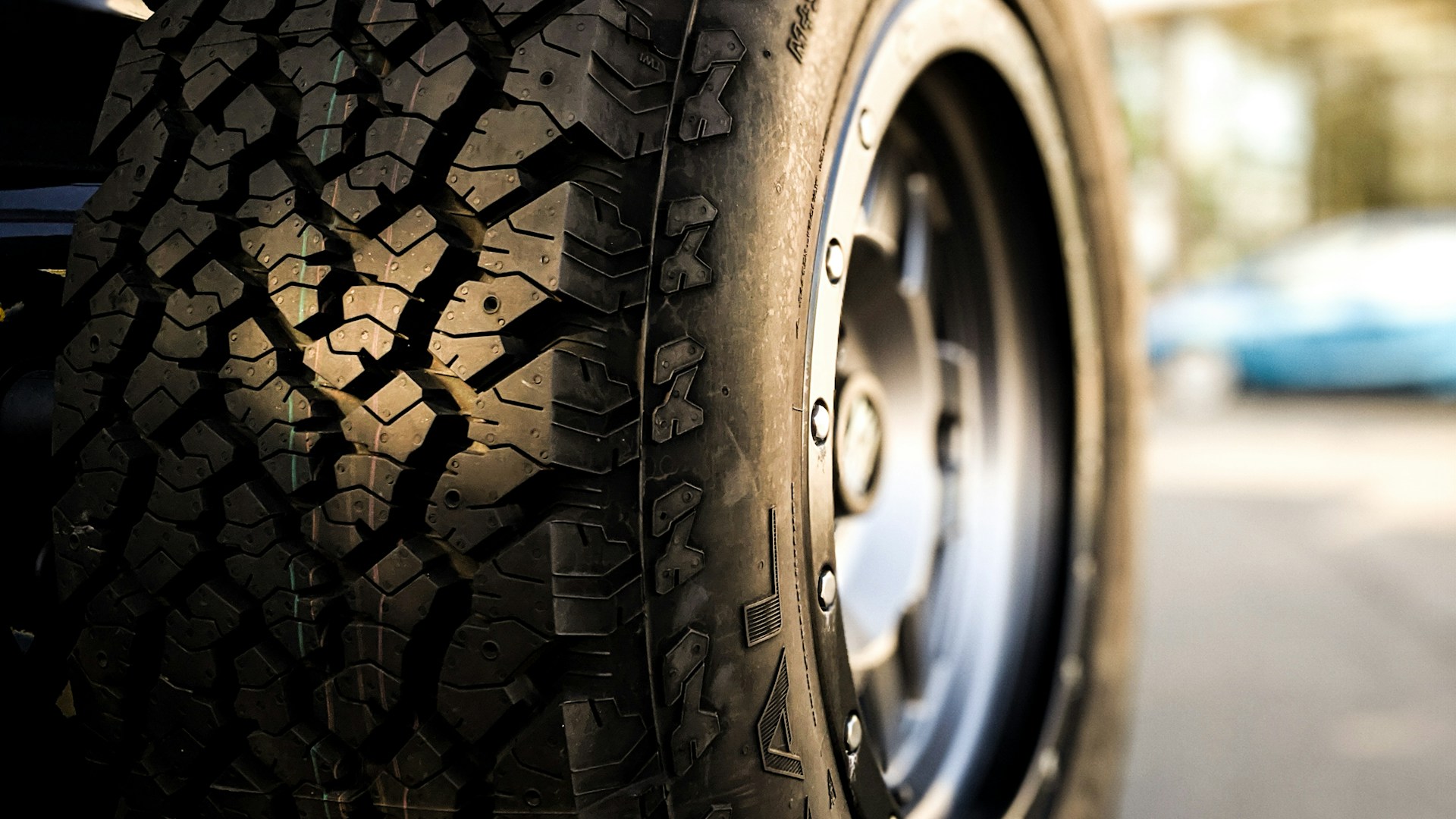
NHTSA says to replace tires when the built-in wear bars sit level with the tread surface. Those small raised strips are the tire’s own way of saying it has had enough.
Take a flashlight and look across the tread. If you can see the bars flush with the surface, it is shopping time.
Never Skip The Penny Test
NHTSA describes a simple check: insert a Lincoln penny head-first into the tread, and replace the tires if the tread fails to reach Lincoln’s head.
It costs one cent and takes ten seconds. Try several spots across each tire, since wear is not always even.
Never Overlook Cracks, Uneven Wear Or Stuck Objects
NHTSA advises inspecting tires for uneven wear, cracks and embedded objects, and removing any glass or debris. The agency also says to check for cuts, slashes and other irregularities.
A nail or a sliver of glass can hide in the tread for weeks. Running a hand carefully over the surface, with the engine off, can turn up trouble early.
Never Overload The Vehicle
NHTSA says not to exceed the maximum load listed on the placard or in the owner’s manual. That limit covers the tires and the vehicle together.
The brochure also reminds drivers that when towing, part of a loaded trailer’s weight transfers to the tow vehicle. Before a road trip with a packed trunk, check the number.
Never Leave The Valve Caps Off
NHTSA says to keep valve caps on every tire valve. It is a tiny item, and it helps protect the valve stem.
If a cap goes missing at a service station, pick up a replacement the same week. A handful costs very little.
Never Hit Potholes Or Curbs Without Thinking
NHTSA’s advice is to slow down before potholes or road debris and to avoid hitting curbs while driving or parking. A hard knock can damage a tire without leaving a mark you can see right away.
When you do take a solid hit, give the tire a good look at the next stop. Bulges or cuts mean it is time to see a tire shop.
NHTSA urges drivers to make tire safety a regular part of vehicle maintenance, and says the time you spend is minimal compared with the consequences of a flat or tire failure.
Pick the first Saturday of the month and put a note on the calendar. Five minutes with a gauge and a penny is one of the cheapest ways to protect your family on the road.
If you want more, NHTSA offers a free brochure at www.nhtsa.gov or by phone at 1-888-327-4236, listed as DOT HS 809 362. It makes a handy reference to keep near your garage tools.
Tires are one place where small habits pay off every single day. A driver who checks them monthly is far less likely to be surprised by a flat on the way to a family dinner.
Keep a simple gauge in the glove box so the job is never a hassle. Teach the grown grandchildren how to use it too, since it is a skill every new driver should have.
Share the list with younger drivers in your family. They often learn tire care from the person who hands them the keys, and a few kind words now can keep them safe for years.
Write the date of your last check on a sticky note and keep it on the garage wall. That small reminder turns a good intention into a habit.
More Stories You May Like
- Jeep Recalls 201,975 SUVs Because A Software Error May Keep The Low Tire Pressure Warning Light Off, So Grab A Gauge And Check Your Tires Yourself
- Skipping Alignment And Tire Rotation Lets Uneven Wear Eat A Set Of Tires Early, So Check Your Owner’s Manual Because The Right Schedule Varies
- There Is A Free Recall Fix Waiting On Some Cars That Owners Never Check For, And All It Takes Is Entering Your VIN On The NHTSA Website To Find Out