

When it comes to sports cars, expectations run high. You look for powerful performance, sleek design, and a driving experience that excites every time you get behind the wheel. Unfortunately, not every sports car lives up to that promise.
The 10 worst sports cars that failed spectacularly show just how far some models missed the mark in performance, design, or reliability. These examples reveal what happens when expectations aren’t met and why some sports cars end up disappointing even the most passionate enthusiasts.
Fisker Karma
If you’re into electric sports sedans, the Fisker Karma might catch your eye. It was one of the first luxury plug-in hybrids, boasting 402 horsepower and a sleek design.
However, it faced serious reliability issues and high repair costs. Production only lasted from 2011 to 2012 before the company folded. Despite its promise, the Karma didn’t quite live up to expectations in the long run, making it a cautionary tale for ambitious electric cars. For more details, check out this Fisker Karma overview.
Pontiac Aztek
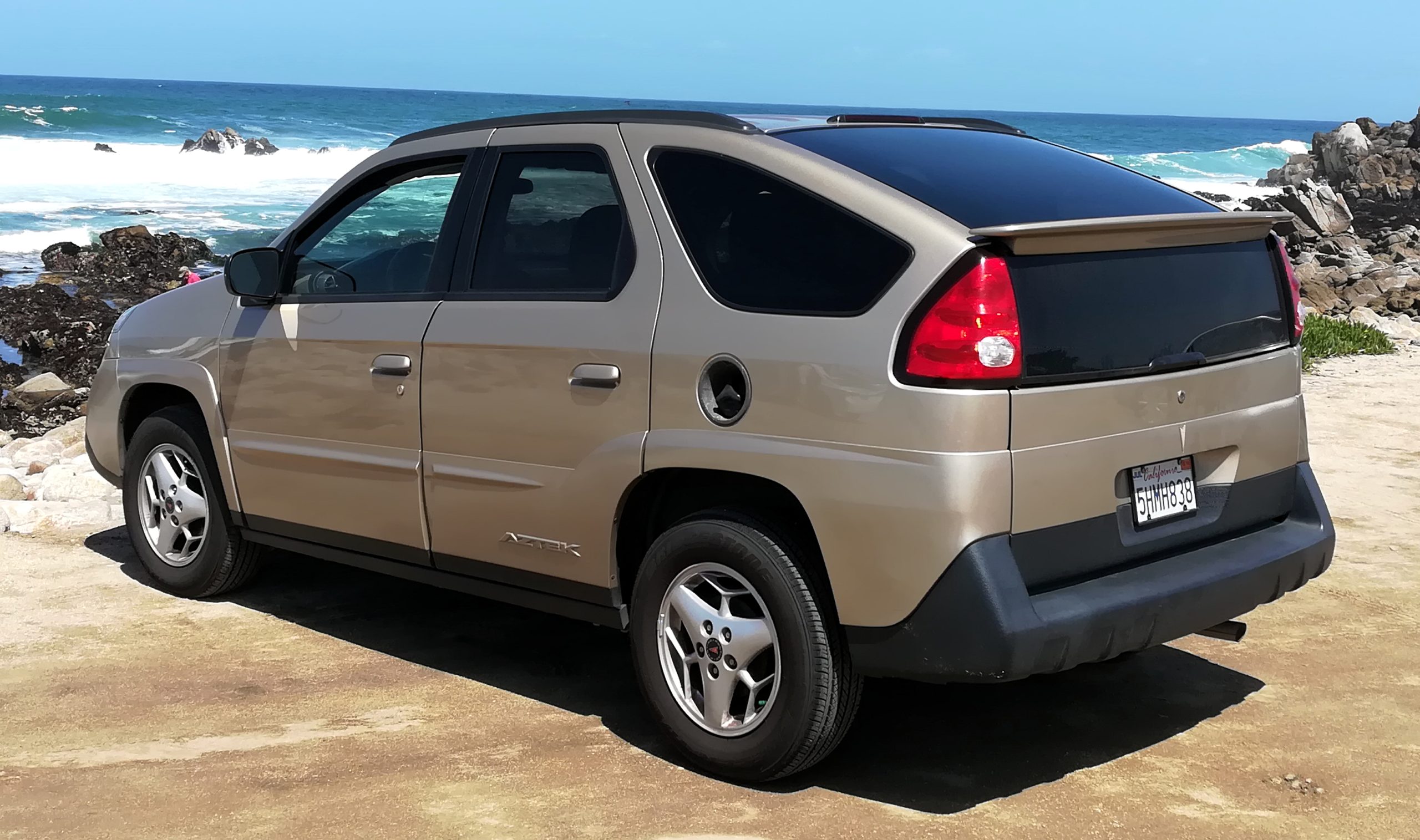
If you’re looking at the Pontiac Aztek, you might wonder how a car with so many unique features could miss the mark. Its bold, unusual shape definitely turned heads, but not always for the right reasons.
You’ll find practical touches like built-in coolers and versatile seating tucked inside. Still, the Aztek’s design was ahead of its time in the wrong way, making it hard for many buyers to embrace.
While it aimed to be an all-in-one adventure vehicle, most remember it more for its awkward style than its functionality. You can learn more about its history and design quirks from this deep Pontiac Aztek overview.
Chevrolet SSR
The Chevrolet SSR is a strange mix of a convertible, sports car, and pickup truck. You might expect it to offer the best of all worlds, but it often left buyers confused instead. Its unique style didn’t appeal to many, making it a tough sell.
Under the hood, it didn’t deliver the sports car performance you might hope for. If you’re after speed or serious utility, the SSR likely won’t meet your expectations. Its quirky design made it stand out, but not always in a good way.
Check out more about its unusual history and reception here.
Maserati Ghibli (2003)
If you’re considering the 2003 Maserati Ghibli, it’s important to know it has some reliability issues that can catch owners off guard. While it looks stylish and promises Italian flair, many found it struggles to deliver consistent performance.
You might enjoy the unique design, but be prepared for maintenance costs that can add up quickly. The Ghibli doesn’t quite compete with rivals on driving dynamics, which can be disappointing if you value sporty handling over looks. More on these concerns can be found in this detailed Maserati Ghibli review.
BMW Z3 M Coupe
When you get behind the wheel of a BMW Z3 M Coupe, you experience a unique blend of nimble handling and power. Its compact body makes it light and agile, while the S54 engine delivers solid performance.
However, it’s not without flaws. Many owners report reliability issues, especially with the unusual rear fender flares and offset wheels causing some maintenance challenges.
If you’re after a sporty classic, the Z3 M Coupe can be fun but expect to keep an eye on potential mechanical quirks that come with its age. Learn more about its reliability concerns here.
Dodge Neon SRT-4
If you’re into sporty compacts, the Dodge Neon SRT-4 might catch your eye. It was a turbocharged version of the regular Neon, built between 2003 and 2005.
You’ll appreciate its affordability and raw power, but be ready for some reliability issues, especially with the powertrain. Many owners report problems after spirited driving or high mileage. Despite its flaws, it holds a special place for those craving an affordable, fun ride.
Learn more about its common issues and history at Dodge SRT-4 problems and complaints.
Cadillac Cimarron
If you’re looking for a lesson in bad badge engineering, the Cadillac Cimarron fits perfectly. It was basically a rebadged Chevrolet Cavalier, but priced much higher. You’d expect Cadillac luxury, but instead, you got a car that felt cheap and uninspired.
The Cimarron tried to compete with European small luxury cars but missed the mark completely. Many buyers and critics were disappointed by its bland design and lackluster performance. It’s often listed among the worst Cadillacs ever made, and for good reason.
You can learn more about the Cimarron’s story and why it failed so badly at this detailed history of the worst Cadillac of all time.
Ford Probe GT
If you’re thinking about the Ford Probe GT, you might expect a sporty Mustang successor. Unfortunately, it struggled to deliver the high-performance feel many hoped for. The front-wheel-drive setup and uninspiring engine left a lot of enthusiasts disappointed.
You’ll find the design lacked the excitement typically associated with muscle cars. While it had potential, the Probe GT just couldn’t match the Mustang’s legacy or its performance appeal. It’s no surprise many fans consider it one of Ford’s less successful sports models.
Learn more about why the Ford Probe GT is often seen as a failed Mustang replacement.
Isuzu Impulse
If you’re looking for a unique sports car, the Isuzu Impulse might catch your eye. It had a futuristic design for its time, but it struggled with reliability and build quality.
You might appreciate its sporty look, yet the driving experience often left buyers wanting more. Its performance didn’t quite match up to competitors, which hurt its popularity.
Owning an Impulse means dealing with parts scarcity and upkeep challenges. It’s a car that aimed high, but didn’t fully deliver on its sporty promises. For more details on overhyped sports cars, visit this list of 10 overhyped sports cars that failed miserably.
Renault Fuego
If you’re hunting for a sports coupe from the ’80s, the Renault Fuego might catch your eye with its sleek design and turbocharged engine. However, it’s known for reliability issues, especially electrical problems that can quickly become frustrating for owners.
You’ll find it’s based on the Renault 18 platform, sharing parts but lacking the finesse expected in a true sports car. While its looks promised excitement, the Fuego often failed to deliver the driving experience you might hope for. Learn more about the Fuego’s challenges here.