
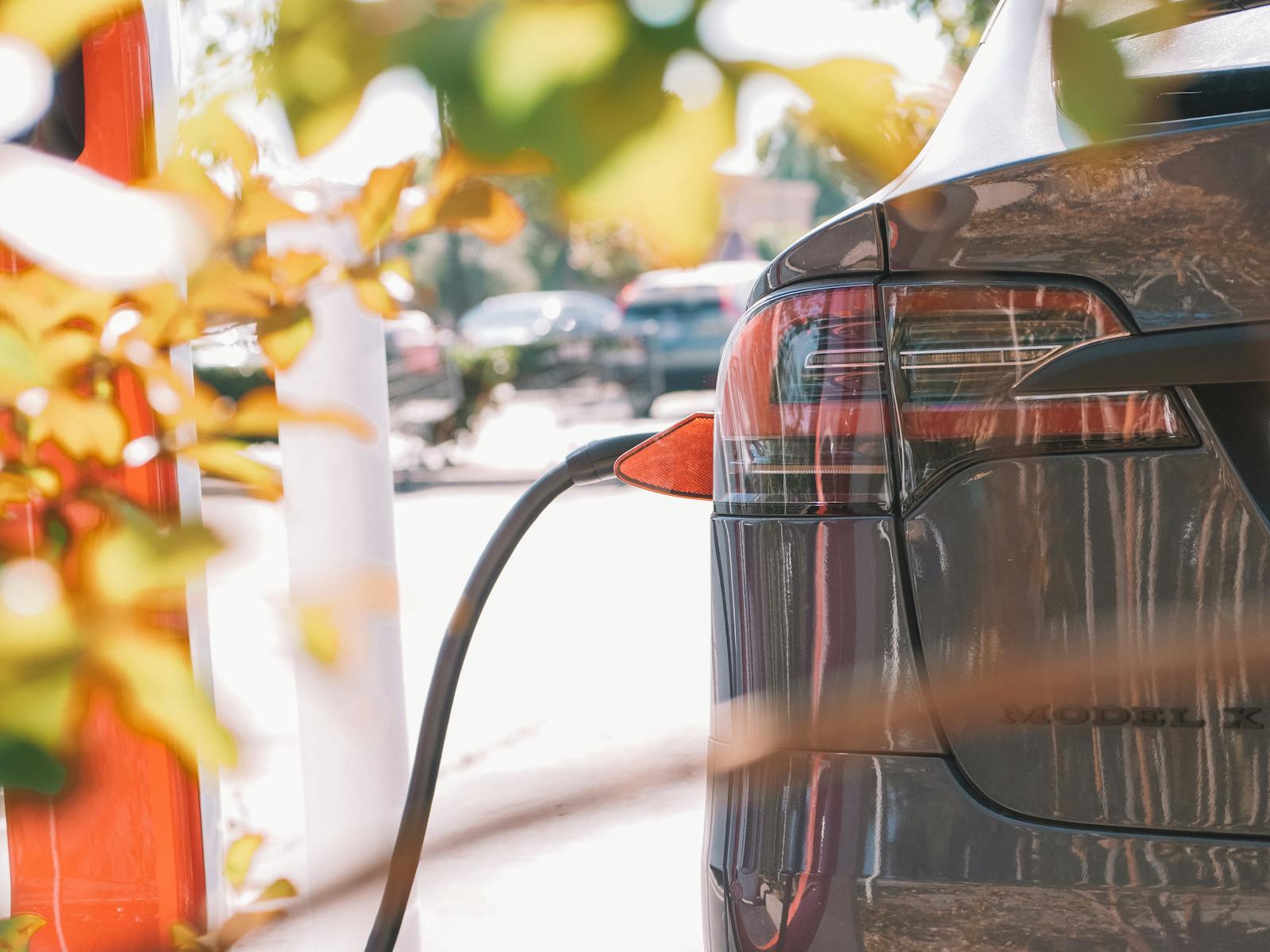

You’ve probably noticed the buzz around electric cars, but the jump to ownership can come with surprises that don’t make the headlines. This article pulls back the curtain on lesser-discussed downsides so you can weigh the real trade-offs before committing to an EV.
You’ll learn seven practical flaws that affect day-to-day use, ownership costs, and long-term sustainability — information that helps you decide whether an electric car fits your life. Stay with this guide to understand how charging access, battery life, maintenance, insurance, towing limits, and material sourcing might change your expectations.
Limited charging infrastructure in rural areas
You may find few public chargers near your home or on local roads, which makes routine trips less convenient. Sparse networks force longer detours or reliance on slower home charging.
You might face inconsistent power capacity and poor internet for station management, complicating installations. That raises costs and delays for communities trying to add chargers.
Plan longer for trips and check charger availability ahead of time to avoid surprises.
Battery degradation over time reducing range

You’ll notice an EV’s battery loses capacity gradually, so your driving range shortens over years of use. This happens as chemical reactions within cells reduce how much charge they hold.
Everyday factors—miles driven, fast charging, extreme temperatures—speed that decline. After several years or around 100,000 miles, many batteries can show noticeable capacity loss.
You can slow degradation by avoiding frequent high-rate charging and by storing the car in moderate temperatures. Still, some loss is inevitable and affects resale value and trip planning.
High repair and maintenance costs for specific EV components
You’ll save on oil changes and exhaust work, but some EV parts cost much more to fix. High-voltage batteries, inverters, and electric motors often require specialized diagnostics and labor, pushing repair bills well above typical ICE fixes.
Insurers and shops may charge premium rates because technicians need training and safety protocols for de-energizing battery systems. In accidents, battery removal or replacement can be especially expensive and time-consuming.
Warranty coverage helps, but you should check limits and out-of-warranty costs before you buy.
Longer charging times compared to refueling gas cars
You’ll spend more time charging an EV than filling a gas tank; fast chargers can still take 20–60 minutes to reach ~80%.
Home charging mostly happens overnight, which works if your daily driving is short but complicates long trips.
Public charging networks are growing, yet availability and speed vary by location.
Plan routes and stops more carefully so charging fits your schedule without unexpected delays.
Increased insurance premiums for electric vehicles
You may pay more to insure an electric car than a comparable gas vehicle. Repairs often cost more because batteries, sensors, and specialized parts carry higher replacement and labor expenses.
Insurers also factor in higher vehicle value and sometimes limited repair networks, which can push premiums up. Over time those differences may shrink as EVs and service options become more common, but for now expect higher insurance costs when budgeting for an EV.
Limited towing and payload capacities
You’ll often find EVs offer less towing and payload than comparable gas models. This stems from battery weight, thermal limits, and design trade-offs that prioritize range and efficiency.
Towing significantly reduces range and can stress battery systems, so manufacturers cap tow ratings more conservatively. Check your vehicle’s specific towing and payload specs before planning trips or hauling gear.
Dependence on rare earth materials affecting sustainability
You rely on electric motors and batteries that often use rare earth elements like neodymium and dysprosium. These materials concentrate production and create geopolitical and supply risks.
Mining and processing rare earths can cause significant environmental harm near extraction sites. Recycling and alternative motor designs exist, but you’ll face higher costs and limited scale today.
More from Steel Horse Rides: