

You’ll find a mix of timeless classics and bold statements in this collection, each Ford chosen for lines, presence, and the way it still turns heads. You’ll learn which eight Fords combine design, character, and lasting appeal so you can see why they stand out.
Explore cars that span Ford’s history, from early breakthroughs to track-bred legends and rugged off-road icons. Expect clear reasons for each pick and enough detail to help you appreciate what makes these models memorable.
1965 Ford Mustang Fastback
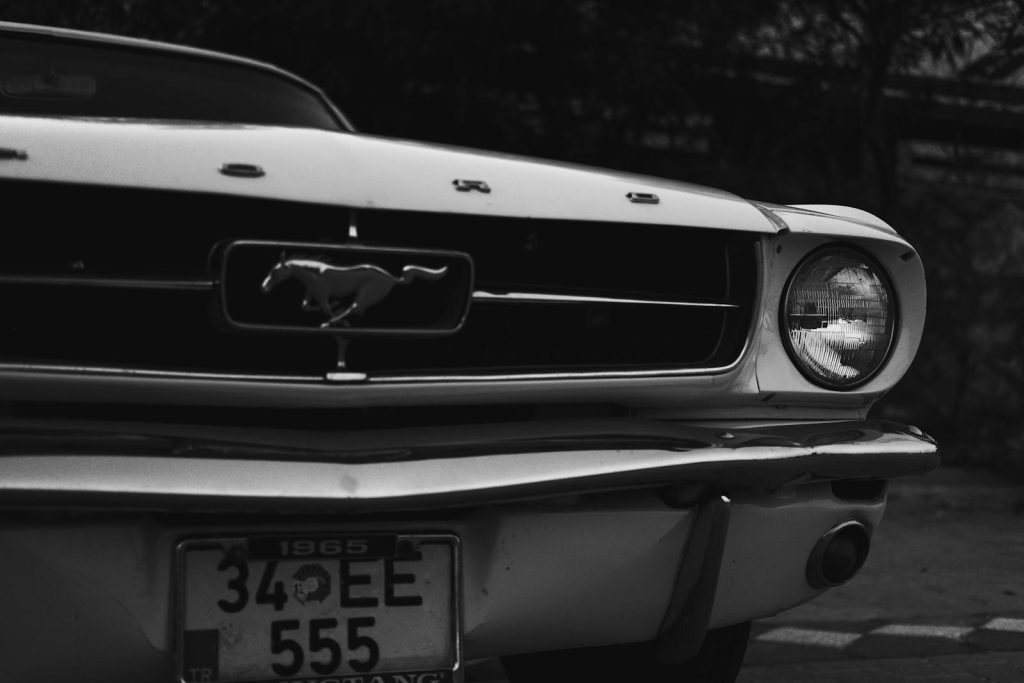
You’ll notice the Fastback’s long, low profile the moment you see it. Its flowing bodylines and purposeful stance give it a timeless, athletic look without extra fuss.
You can find versions with a range of engines and transmissions, including the popular 289 V8 that gave this coupe genuine pep. The Fastback’s clean design still influences sports coupes today.
1955 Ford Thunderbird
You’ll notice the 1955 Thunderbird’s clean, low lines the moment you see it. It started as a two-seat personal luxury car with thoughtful proportions and Italian-influenced styling.
The chrome bumper and subtle grille give it a balanced, confident face without loud ornamentation. Underneath, a compact wheelbase and V8 power made it feel sporty while remaining refined.
Ford GT40
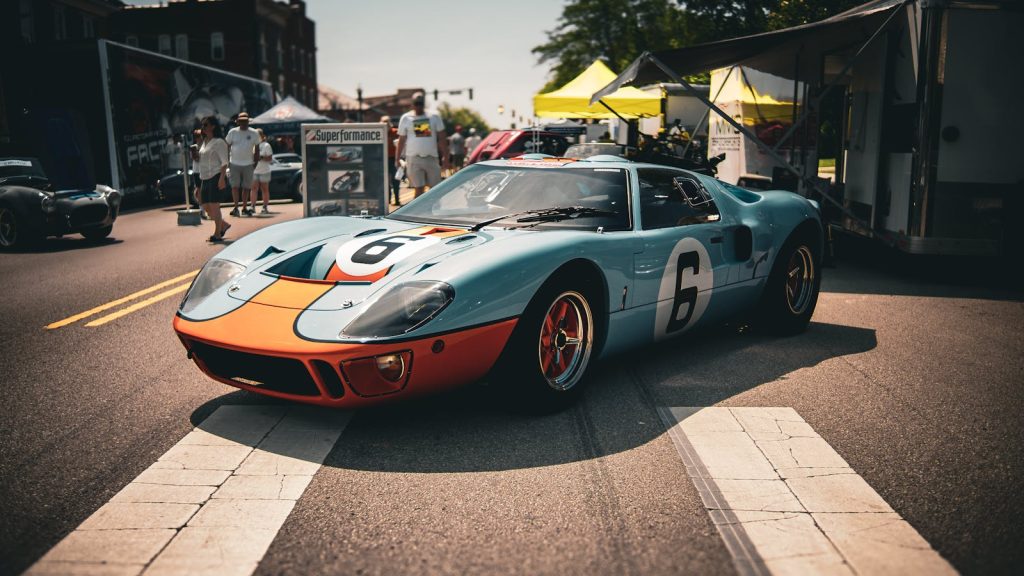
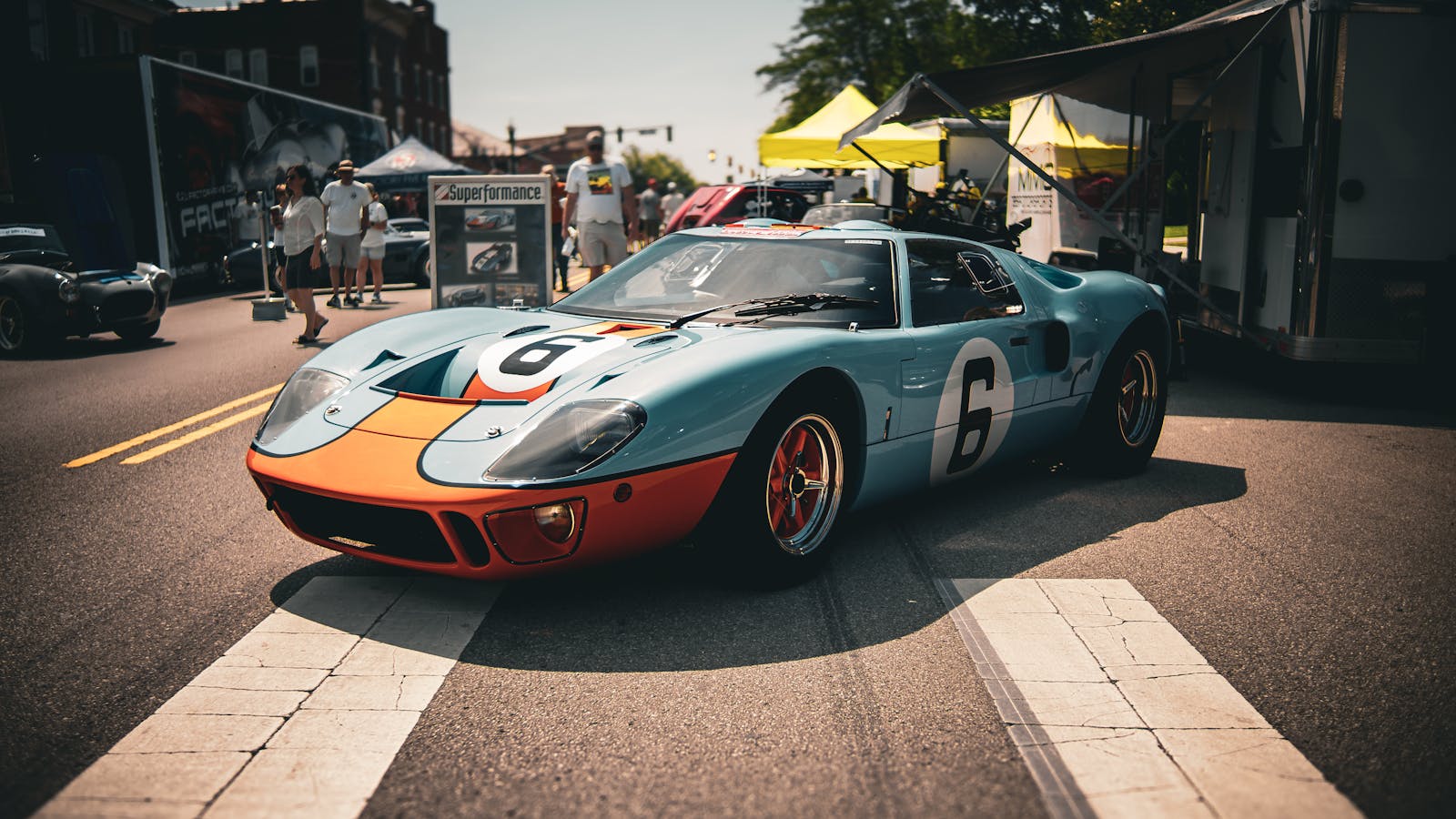
You’ll notice the GT40’s low, purposeful profile the moment you see it; the car sits just 40 inches tall, which gave it a dramatic racing stance. Its mid-engine layout and wraparound cockpit create a compact, muscular silhouette that still reads as modern.
You can trace its fame to Le Mans dominance in the late 1960s, where form and function met. The GT40’s clean lines, wide hips, and purposeful aerodynamics make it one of Ford’s most iconic and enduring designs.
Ford Model T
You’d recognize the Model T by its simple, utilitarian lines that changed little from 1908 to 1927.
Its plain design kept costs down, so Ford lowered the price and more people could afford a car.
You’d find the Model T reliable and easy to maintain, which helped it become ubiquitous.
That straightforward look helped define early automotive design and still feels iconic today.
Ford Model A
You’ll notice the Model A’s simple, balanced lines the moment you see one.
Its upright grille, clean fenders, and varied body styles give it a timeless, approachable look.
You can spot influences from Edsel Ford’s design direction in the car’s proportions.
Whether as a coupe or convertible, the Model A reads as elegant without fuss.
1967 Ford Mustang Shelby GT500
You’ll notice the 1967 Shelby GT500 balances muscular presence with classic Mustang lines. Its long hood, functional scoops, and bold grille give it an unmistakable, confident stance.
You get big-block performance under the hood, paired with design details like a fiberglass trunk lid and integrated spoiler. That combination made it a favorite for enthusiasts who wanted both style and serious power.
Ford Bronco (First Generation)
You’ll notice the first-generation Bronco’s compact, boxy shape immediately stands out. It mixes rugged utility with clean, simple lines that still look fresh today.
You can appreciate its practical design — flat panels resist damage and are easy to repair. Many fans favor the 1966–1977 Broncos for their straightforward mechanicals and classic off-road stance.
Ford Mustang Boss 302
You’ll notice the Boss 302’s aggressive fastback profile and racing stripes at a glance. It pairs purposeful design with functional aerodynamics born from Trans-Am racing rules.
The high-revving V8 and compact proportions give the car a balanced, muscular stance. Details like the sculpted hood and wide rear track make it look planted whether parked or on track.
More from Steel Horse Rides: