
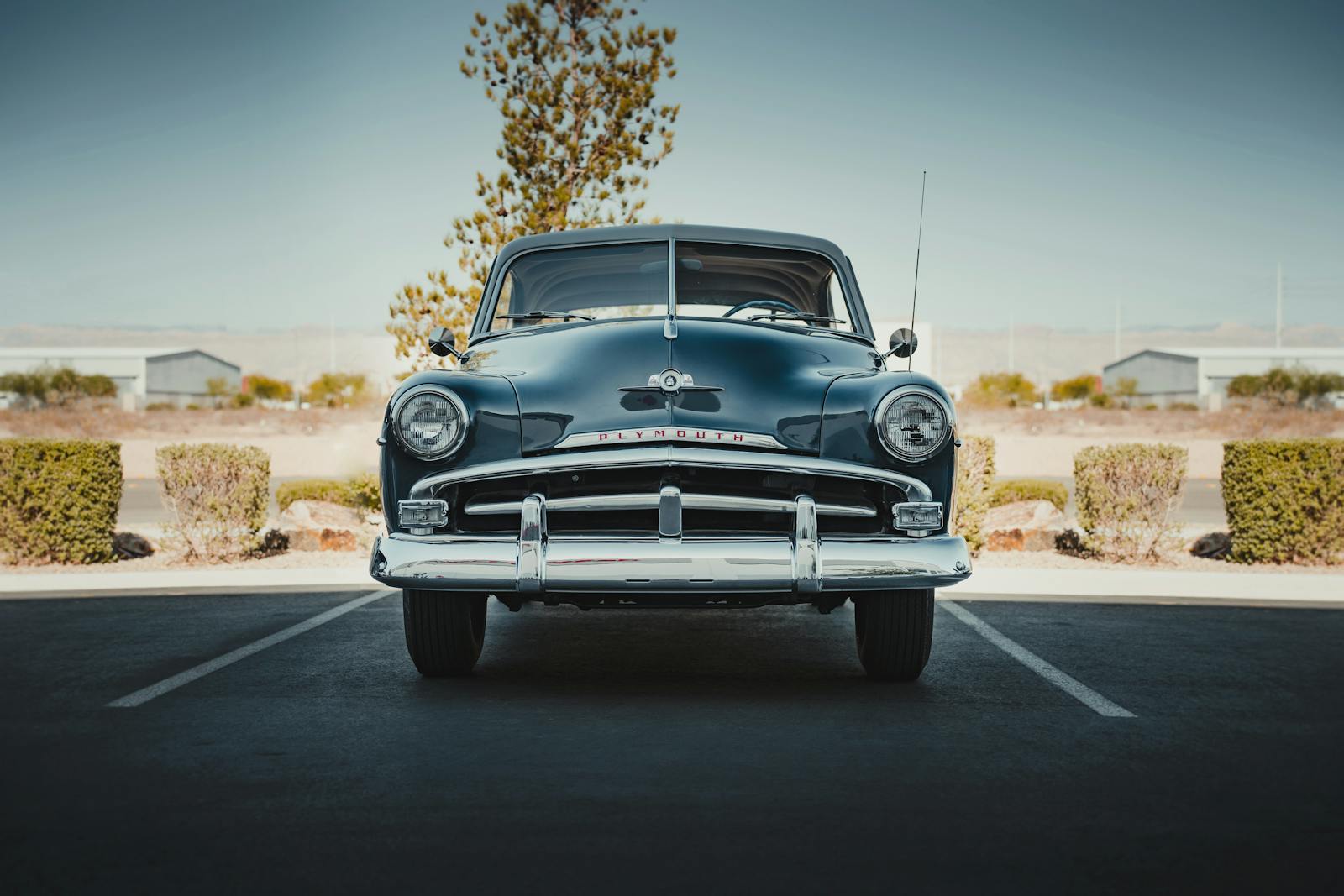

You remember how certain cars once turned heads and felt like extensions of personality; this article shows how some of those symbols of cool have slipped into awkward territory. You’ll see why bold styling, quirky engineering, or fading brand support can turn head-turners into vehicles people now avoid.
Expect a quick tour through models that peaked for reasons beyond pure practicality and later aged poorly, from retro experiments to overambitious designs. You’ll get straightforward context on what went wrong and why these once-glamorous machines now read more like automotive cautionary tales.
Plymouth Prowler
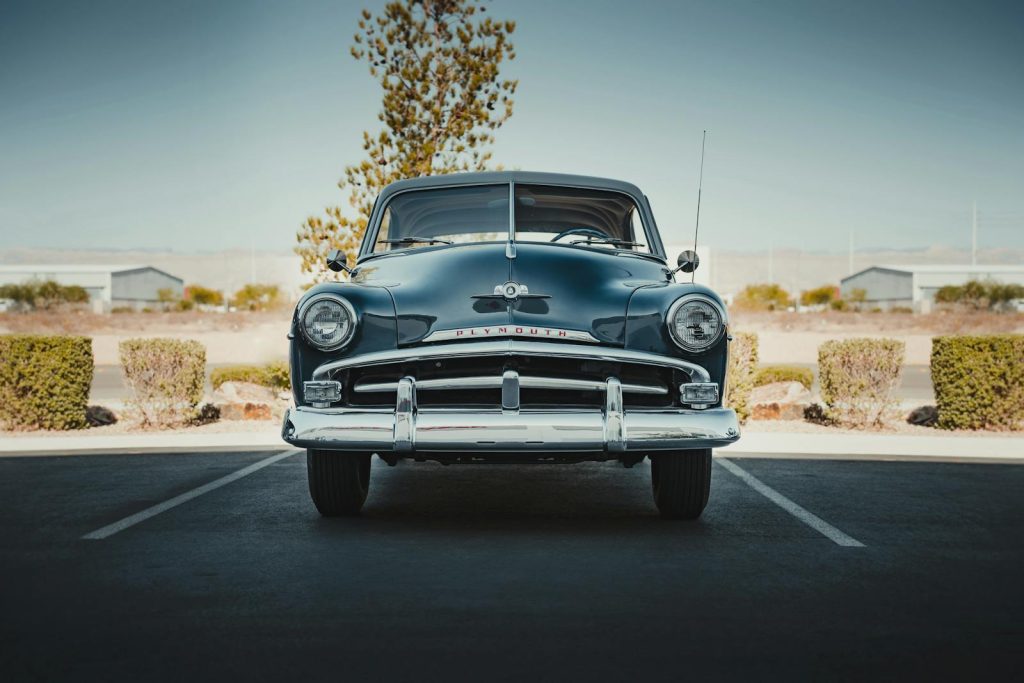
You remember the Prowler as a bold, retro-styled hot rod that turned heads with its open-wheel front ends and swooping fenders.
Today it feels dated to many buyers; its quirky looks and limited practicality keep it niche rather than mainstream.
If you own one, you still get plenty of attention at shows, but resale and daily usability rarely match the original wow factor.
Saab 9-5
You once appreciated the 9-5 for clever engineering and quirky Scandinavian character.
Today its design and aging features can feel dated, especially without strong brand support.
If you own one, maintenance and parts scarcity shape the experience more than style.
Enthusiasts still cherish certain models, but for most buyers the 9-5 reads as a niche, aging choice.
Saturn Ion
You probably remember the Ion for its quirky quad-coupe doors and plastic body panels.
It aimed to be different, but quality issues and bland performance left many owners disappointed.
If you’re shopping one now, expect low prices and common mechanical or electrical quirks.
A careful inspection and known-repair history can save you from a car that looks nostalgic but drives like a sad clunker.
Pontiac Aztek
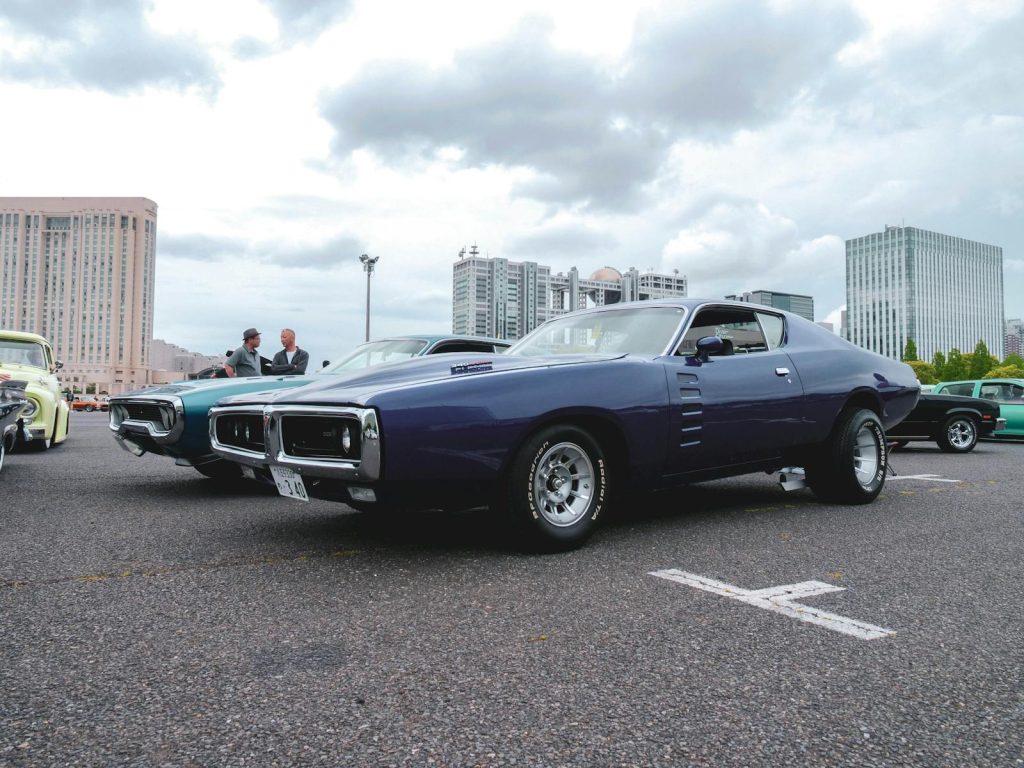
You might remember the Aztek as the awkward, widely mocked SUV from the early 2000s.
Its bold styling and unconventional proportions didn’t age well, leaving many examples looking dated and clunky today.
Still, the Aztek packed useful features like flexible cargo space and unusual storage options that some owners still appreciate.
If you find one now, expect quirky charm, mixed reliability, and a niche group of collectors who’ve reassessed its value.
Hummer H2
You remember the H2’s showy presence: oversized grille, bold angles, and a vibe that screamed excess.
Today that same bulk feels dated and inefficient, especially as fuel economy and subtle design matter more.
If you loved attention, the H2 delivered it in spades, but your neighbors might now see it as a relic.
Rising maintenance and used prices that dip into niche territory make the H2 a car for collectors, not everyday drivers.
PT Cruiser
You probably remember the PT Cruiser’s retro looks and roomy interior that felt clever at first glance.
Its quirky styling and practical cargo space made it a hit when it launched, inspiring long lines at dealerships.
Over time the novelty faded as performance and build quality drew criticism.
Now the PT Cruiser often reads as dated design rather than timeless charm, which leaves many owners frustrated.
Chevrolet SSR
You probably remember the SSR’s retro looks and folding hardtop that promised convertible thrills with truck-bed practicality.
Now it often reads as awkward: heavy, pricey to maintain, and small-bed impractical for real hauling.
If you loved its quirky style, parts and service can be slow and costly, which turns nostalgia into buyer hesitation.
Ford Edsel
You remember the Edsel because it promised innovation but landed awkwardly in the late 1950s market. Its unusual “horse-collar” grille and mixed-quality production made many owners feel they’d bought more trouble than prestige.
You might see an Edsel today at a car show and notice the dedicated collectors, but most examples look dated and finicky. The brand’s short life and poor sales turned it into a cautionary tale more than a classic.
More from Steel Horse Rides: