
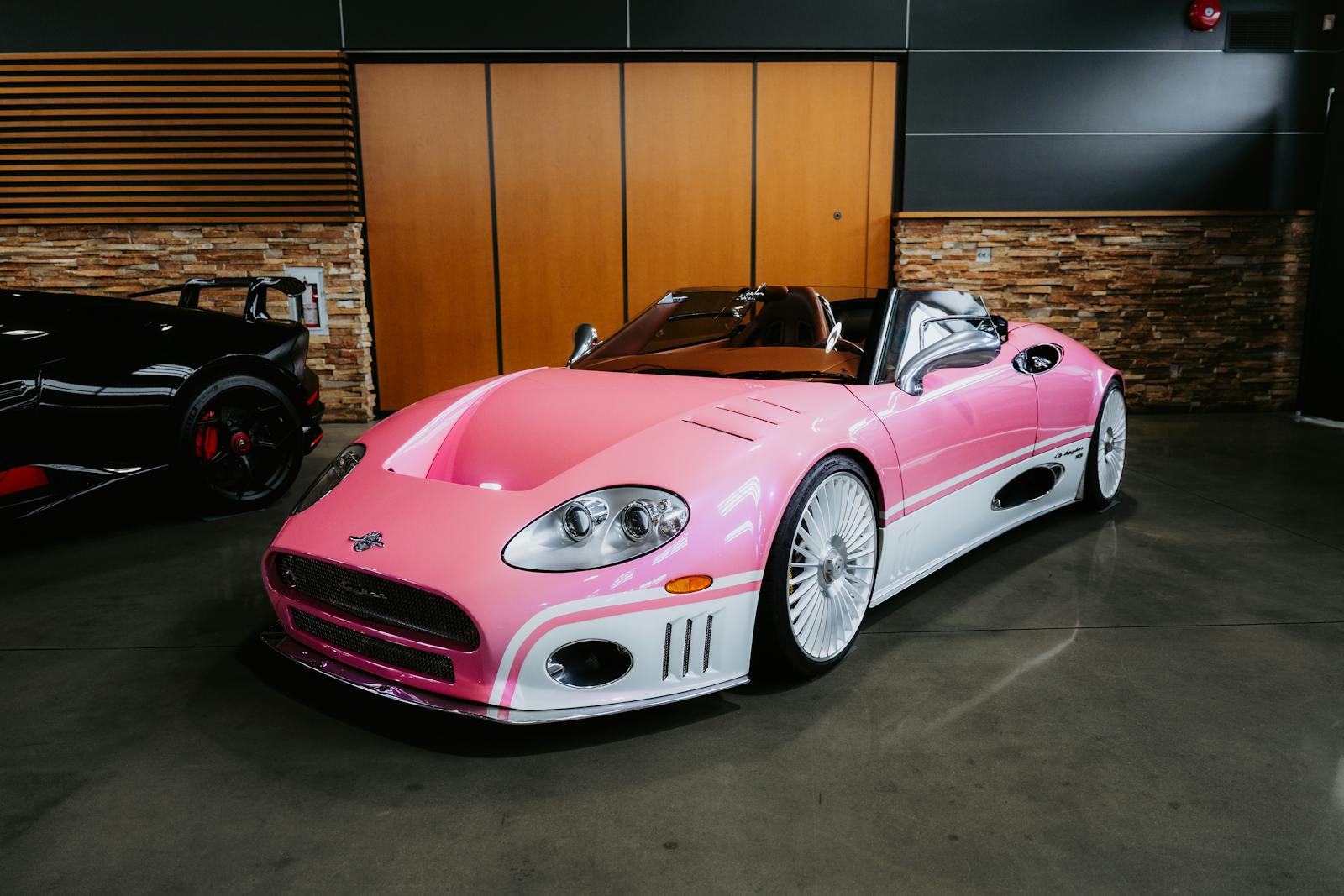

Spyker has spent the past decade hovering somewhere between legend and liquidation, its jewel-like supercars remembered more than its recent output. With the C8 Aileron LM85, the Dutch marque is trying to show that its blend of aviation fantasy and old-school craftsmanship still has a place in a market dominated by clinical, high-volume exotics. The car is both a rolling manifesto and a test of whether a tiny brand can turn nostalgia and fan devotion into a viable new chapter.
The comeback plot behind the C8 Aileron LM85
The C8 Aileron LM85 arrives as Spyker attempts to claw its way back from insolvency and reassert itself as a builder of ultra-low-volume super sports cars. On its own site, the company describes a “new chapter” that began in Amsterdam, where founder Victor R. Muller and the trustee in the insolvency of two former Spyker subsidiaries agreed on a structure to restart production of hand built Spyker super sports cars, signaling that the brand is not ready to be consigned to history just yet Amsterdam. That corporate reset underpins the renewed push to get the C8 Aileron LM85 into the spotlight as a symbol of continuity rather than a museum piece.
Outside observers have framed this as yet another resurrection attempt from a company that has already “returned from the dead” more than once. One detailed report noted that enthusiasts should Remember Spyker as a low-volume Dutch supercar maker responsible for some of the most distinctive designs of the 2000s, and that the latest plan is to leverage that heritage in a leaner, more focused operation Remember Spyker. Another analysis stressed that there are limited details about Spyker’s revival, but that the company believes it can again build exclusive cars for a small, global clientele if the relaunch is handled carefully There.
How a fan-built LM85 kept the flame alive
While Spyker’s corporate fortunes were in limbo, the C8 Aileron LM85 quietly became a cult project in the hands of a dedicated owner. Earlier this month, coverage of a one-of-a-kind Spyker C8 LM85 detailed how the car had been in the works for nearly a decade and was finally finished after a long gestation that began before the supercar was discontinued, underscoring how long the idea of an LM85-spec Aileron has been circulating among diehards Published. That car, built outside the factory, effectively served as a proof of concept for what a modernized, track-leaning Spyker could look like.
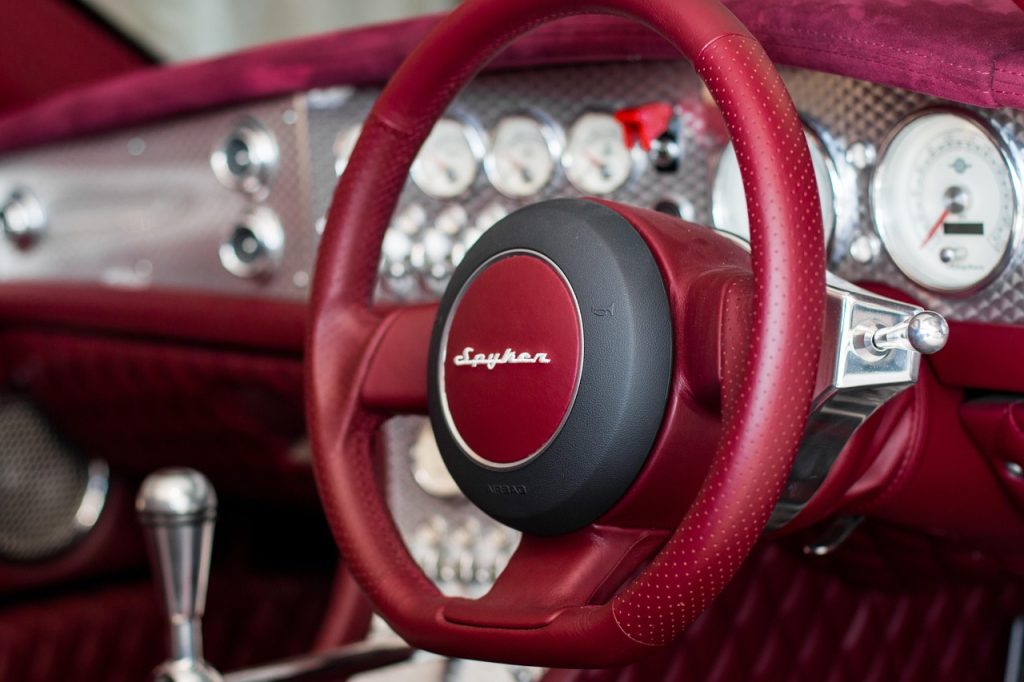
Inside, the SpykerEnthusiast-spec LM85 was described as having rich, saddle-finished leather upholstery on the seats, roof, and door panels, a reminder that even a fan-commissioned build stayed faithful to the brand’s obsession with tactile detail Inside. Another account emphasized that this enthusiast creation was Built To a Very Discerning Standard When the Aileron LM85 was first announced, with aluminum bodywork and wider, riveted fenders that matched the production-intent parts and designs Spyker had originally envisioned Built To. A separate report on the same project noted that an enthusiast effectively built the Aileron LM85 that the company could not, collaborating with specialists to realize the wide-body vision and underlining how fan energy sustained the model’s reputation while the factory was dormant Very Discerning Standard.
From dramatic sendoff to factory-backed statement car
The C8 Aileron LM85 was originally conceived as a dramatic sendoff for the Aileron line, with aluminum bodywork, riveted wide fenders, and a plan to build just three examples that would distill Spyker’s design language into a final, track-focused flourish The Spyker Aileron. That plan stalled as the company’s finances unraveled, but the specification, from the widened stance to the motorsport-inspired detailing, has now been revived as part of the brand’s attempt to show it can still execute on its most ambitious ideas. The LM85’s role has shifted from farewell to calling card, a way to demonstrate that the revived operation can deliver the kind of intricate, low-volume hardware that made Spyker famous.
Recent coverage of the company’s latest moves framed the C8 Aileron LM85 as central to Spyker Aims to Prove It is Not Dead Yet With a renewed focus on limited, high-impact projects that speak directly to collectors Spyker Aims. That strategy fits with broader reporting that Few have actually seen one in person, much less driven a Spyker, and that the company’s best chance lies in leaning into its rarity and the almost mythic status of its exposed gearshift and aviation-inspired cabins Few. Parallel analysis of the brand’s restructuring has also highlighted that Spyker will attempt to return from the dead with its original founder back in control, a governance shift that supporters hope will give projects like the LM85 the stability they previously lacked Spyker Will Attempt.
All of this unfolds against the backdrop of an official corporate narrative that presents a clean, confident face to the world. On its main portal, Spyker sets out its ambition to restart production of hand built super sports cars and positions the C8 Aileron LM85 as part of a broader push to reconnect with customers who still value artisanal engineering in an era of mass-produced performance Spyker. Independent commentators have noted that Spyker Returns From The Dead Again with an unlikely ally and a fragile business case, but that the combination of a clarified ownership structure and a halo model like the LM85 gives the company its best shot yet at turning romantic persistence into a sustainable future Spyker.
More from Wilder Media Group: