
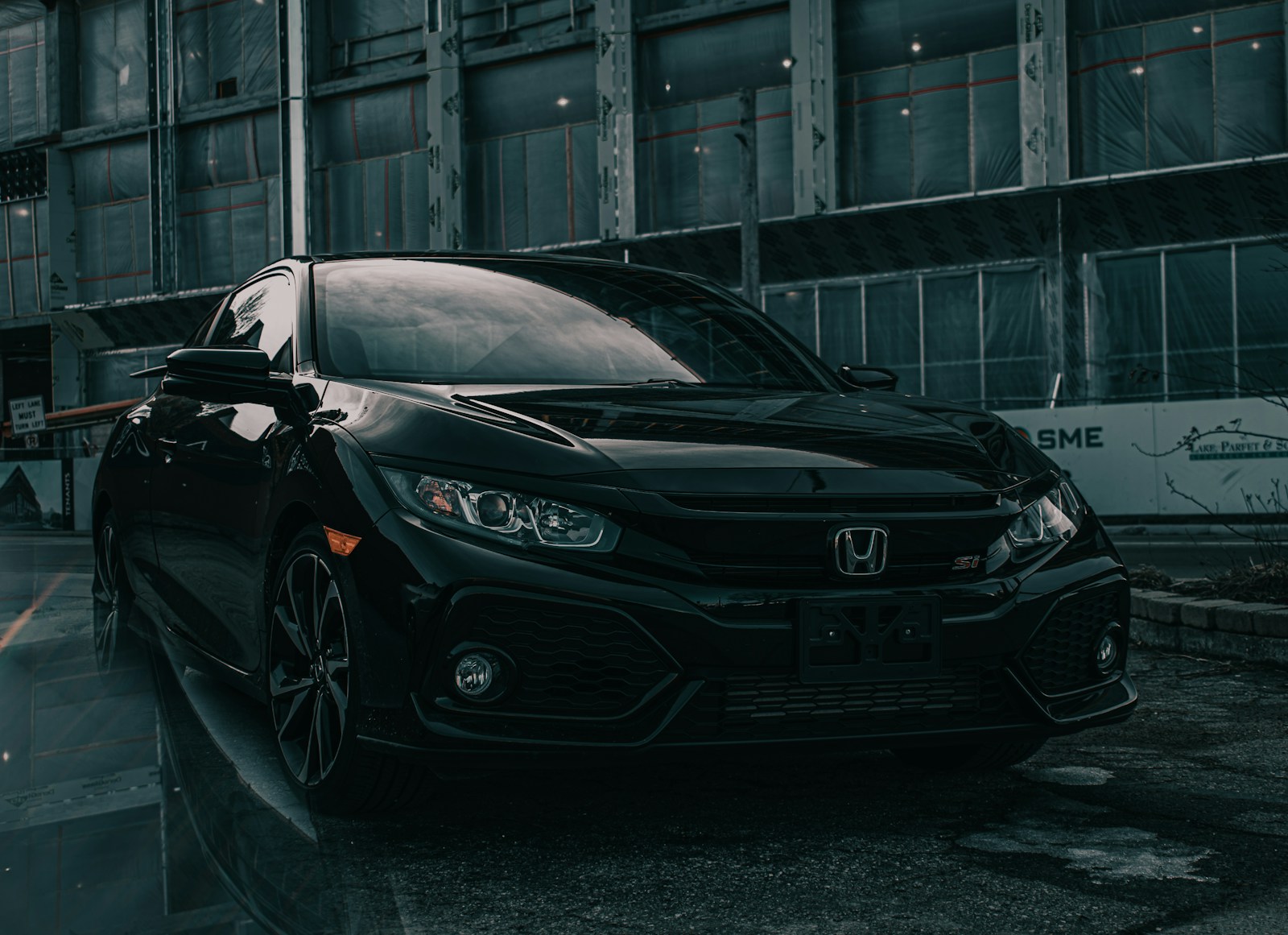

We’ve all heard the buzz about certain cars that seem to have it all: reliability, style, and a reputation that makes you feel all warm and fuzzy inside. But before you rush to the dealership, ready to sign on the dotted line, it’s worth having a real chat about what it’s like to own one of these so-called “great” vehicles. Spoiler: it’s not always as dreamy as it sounds.
What’s the Deal with Reliability?
When you think of reliable cars, brands like Honda, Toyota, and Subaru probably pop into your head. They’ve been the poster children for dependability for decades. You know the type: your friend’s dad who still drives his 2003 Honda Accord like it’s a classic. But here’s the kicker—while they might not break down often, the repairs can pack a punch when they do. “I love my Subaru,” says Jess, a proud owner. “But when something goes wrong, it feels like I’m paying for a small vacation just to fix it.”
And let’s not forget maintenance costs. Sure, you might not be visiting the mechanic as often as you would with a less reliable car, but when you do, you might find yourself looking at a repair bill that makes your eyes water. Brake pads, tires, oil changes—these things add up faster than you can say “what did I just spend?”
Insurance: The Hidden Expense

Now, let’s chat about insurance. You might think you’re getting a sweet deal on a reliable car, but you might end up shelling out more than you bargained for in premiums. Insurance companies love to charge more for cars that are popular and, let’s be honest, desirable. “I didn’t think my Toyota Camry would cost that much to insure,” recalls Mike, who was shocked to see his monthly payment skyrocket. “I thought I was being responsible!”
That’s the irony, isn’t it? You buy a car known for its longevity and safety, only to find out that the costs associated with owning it can feel a bit… well, excessive. You think you’re making a smart choice, but suddenly you’re left wondering if you should be saving up for a rainy day instead of your next road trip.
Fuel Economy: A Double-Edged Sword
Fuel economy is another area where you might think you’re scoring big points. Cars like the Honda Civic and Toyota Prius boast impressive mileage, which sounds great in theory. But as fuel prices fluctuate—sometimes dramatically—you might find yourself feeling a little queasy at the pump. “I drove my Civic for years, thinking I was saving money,” says Sarah. “Then I realized the cost of gas was still adding up, especially when prices spiked.”
Plus, let’s be real: those fuel economy ratings you see on paper are often more optimistic than reality. You might find your car doesn’t quite deliver the stellar mileage you expected, leaving you with a bit of buyer’s remorse, especially when you see your neighbors zooming by in their flashy electric vehicles.
Depreciation Dilemma
Ah, depreciation—the joy of car ownership that nobody talks about at the dinner table. You buy a car thinking it’s an investment, only to watch its value plummet faster than your New Year’s resolutions. Sure, some brands hold their value better than others, but even the best can’t escape the inevitable. “I thought I was being smart by buying a top-rated car,” says Tom, who’s now eyeing a much older model. “But when I tried to sell it, I realized I’d lost a chunk of change.”
It’s a tough pill to swallow, especially when you’ve poured your hard-earned cash into a vehicle that’s now worth less than your last impulse buy on Amazon. It’s enough to make you want to hug your car—or maybe drop it off at the charity shop and start fresh.
Final Thoughts: Is It Worth It?
So, where does that leave us? Are these reliable cars worth the costs that come with them? Well, it depends on what you value. If you’re the kind of person who craves reliability and peace of mind on the road, these vehicles might still be your best bet. But it’s crucial to be prepared for those surprise expenses that can sneak up on you.
At the end of the day, it’s all about finding the right balance for your lifestyle and budget. Whether you’re cruising in a dependable Honda or taking a chance on a newer model, just keep your eyes wide open. Because owning a car is about more than just the purchase price; it’s about the whole experience—and sometimes, that experience comes with a price tag that feels a bit too hefty for comfort.
More from Steel Horse Rides: