

You want an SUV that fits your lifestyle and budget without surprise repair bills or awkward features that make daily driving harder. This article shows which five SUVs experts warn retirees to avoid so you can protect your savings and stay comfortable behind the wheel.
You’ll get clear, practical guidance that helps you weigh reliability, maintenance cost, and ease of use when choosing (or avoiding) popular models like older Kia crossovers, Jeeps, Explorers, Range Rovers, and electric options. Stay focused on what affects your wallet and your comfort so each car choice actually makes life easier.
Kia SUVs (especially used models)
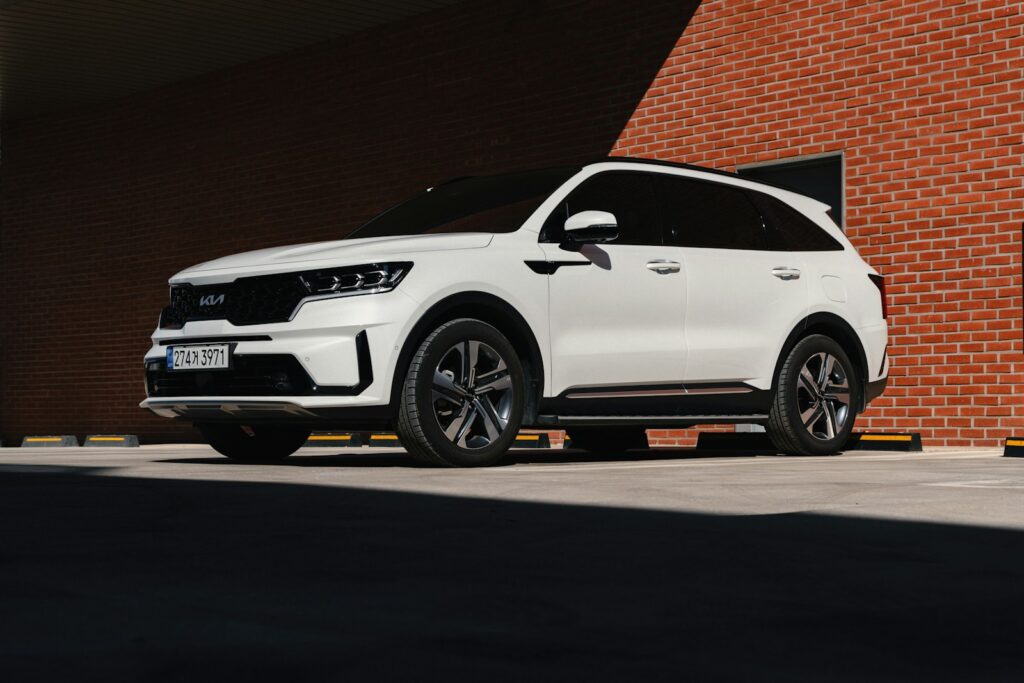
You should watch used Kia SUVs closely because repair bills can surprise a tight retirement budget.
Many older Kias depend on remaining warranty coverage for major fixes, so out-of-warranty examples may cost more than you expect.
If you want a Kia, prioritize a certified pre-owned model or one with documented service history.
Check reliability records and get a pre-purchase inspection to avoid unexpected maintenance.
Consider models with long available warranties on newer examples instead of buying older, unsupported units.
Jeep Wrangler
You might love the Wrangler’s rugged image and removable top, but maintenance can become a recurring headache. Expect common issues like transmission glitches, electrical faults, and oil leaks that raise repair bills and downtime.
Those problems matter more when you’re on a fixed income or prefer low-effort ownership. If reliability and low operating costs are priorities, consider alternatives with stronger long-term dependability.
Ford Explorer
You may find the Ford Explorer roomy and familiar, but its repair history can hit your budget. Models have shown transmission and reliability concerns that raise ownership costs.
If you live on a fixed income, frequent visits to the shop become a real burden. Read more about expert warnings on the Explorer and other models at this GOBankingRates overview of SUVs retirees should avoid.
Range Rover
If you’re retired and watching your budget, a Range Rover can quickly erode savings with high maintenance and repair bills. Luxury parts and specialist labor often cost far more than mainstream SUVs, and routine care can be pricier than you expect.
Comfort and prestige are obvious, but you should weigh those against long-term reliability concerns and ownership costs. For a detailed breakdown of typical expenses, see this analysis of costly Land Rover upkeep.
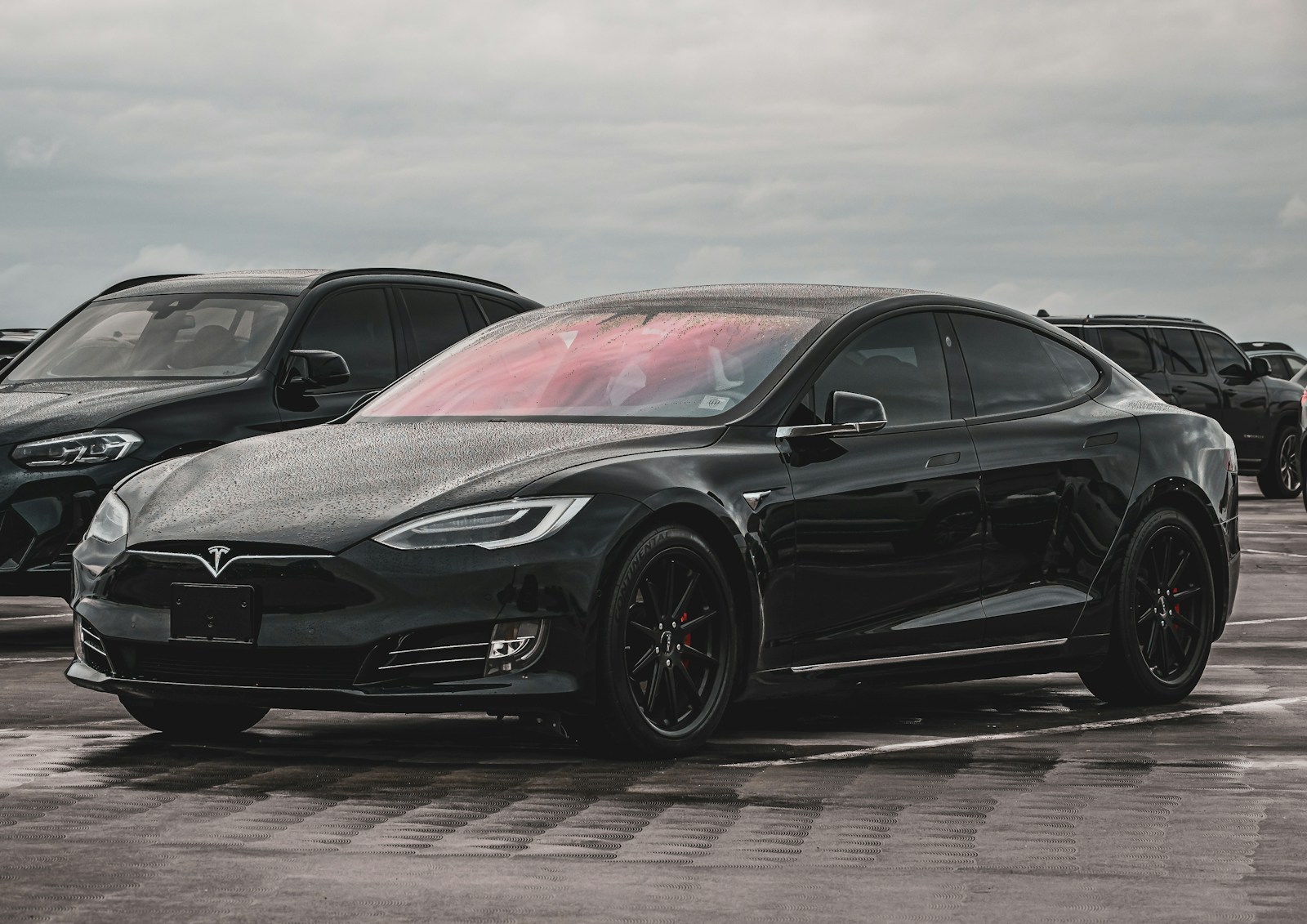
Tesla Model X
You’ll like the spacious cabin and falcon-wing doors, but reliability worries often follow this model. Multiple recalls and frequent repairs can hit a retiree’s budget, especially on a fixed income.
Charging and range suit many drivers, yet repair costs for electrical and trim issues can be steep. If you value low maintenance and predictable ownership costs, consider more conventional SUVs first.
See reporting on Tesla reliability and recalls for more details.
More from Steel Horse Rides: