

You’re weighing whether an electric vehicle will actually cut your transportation costs. This article walks you through clear, practical signs to watch for so you can decide with confidence.
If you see several of these signs in your driving life, switching to an EV is likely to save you money. Keep going to match your habits and local conditions against the five indicators that matter most.
You drive 15,000+ miles a year—more driving means more EV savings
If you log 15,000 miles or more, an EV’s lower per-mile energy and maintenance costs add up fast.
Electricity usually costs less per mile than gasoline, and EVs have fewer oil changes and brake repairs.
Higher mileage shortens the payback time on a higher purchase price.
Many calculators use 15,000 miles as the average benchmark—so if you exceed that, your savings rise noticeably.
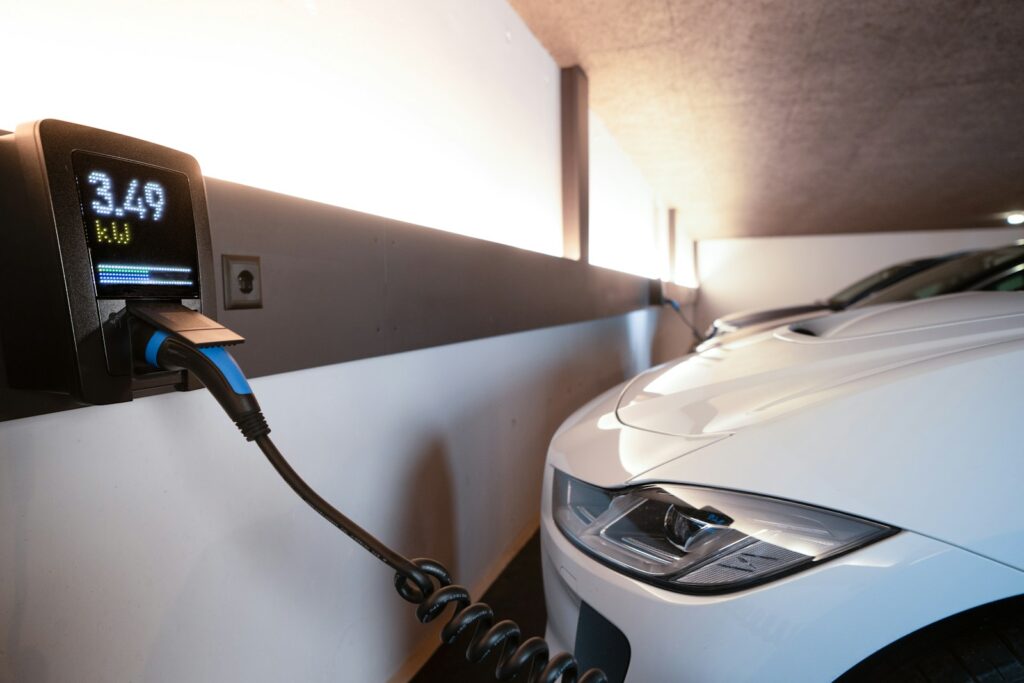
You have access to cheap or free home/work charging
If you can charge at home overnight on a low off-peak rate, your cost per mile drops significantly. Many employers and retailers offer free charging; using those keeps public fast-charging costs down.
Check community maps for free locations to plan trips and top up when convenient, which reduces reliance on paid stations. If your utility or workplace provides discounted rates, those savings add up fast.
Gas prices nearby are consistently high
If local gas prices stay high, your per-mile fuel cost rises fast and often unpredictably. Switching to an EV cuts that exposure because electricity prices tend to be steadier than gasoline.
You’ll save more the more you drive, especially if you can charge at home overnight. Check local rates and compare expected electricity cost per mile to current gas costs to see the real savings.
Your state offers strong EV incentives or rebates
If your state has point-of-sale rebates or tax credits, your upfront cost drops quickly. Check current programs for exact amounts and eligibility rules to avoid surprises.
Many states add perks like reduced registration fees or HOV-lane access, which can save time and money over ownership. Find state-by-state listings to compare programs and deadlines, for example a complete guide to EV incentives by state.
You want to save on maintenance since EVs need less servicing
You’ll spend less time and money on routine service because EVs lack oil changes, timing belts, and complex transmissions. Fewer moving parts usually means fewer mechanical failures.
Plan for tyre rotations, brake checks, and occasional cabin-filter or 12V battery replacements. Some manufacturers recommend coolant service for battery thermal systems every few years, so check your manual.
Expect lower long‑term maintenance bills, but keep records and follow scheduled checks to protect resale value and warranty coverage.
More from Steel Horse Rides: