

Audi’s next halo sports car has not even reached showrooms yet, and it is already fighting for its life in the court of public opinion. After a flurry of reports suggested the project was on the chopping block, the company has stepped in to insist that its long-awaited two-seater is still very much in the plan. The message is simple: the car is delayed, reshaped and fully electric, but, according to Audi, it is not dead.
That reassurance lands at a delicate moment for the brand, which has retired icons like the TT and R8 while trying to convince loyalists that the future of performance can run on batteries. The new flagship is supposed to be the proof, a clean-sheet sports car that carries Audi’s design and tech into the EV era rather than just mimicking a gas model with a charge port.
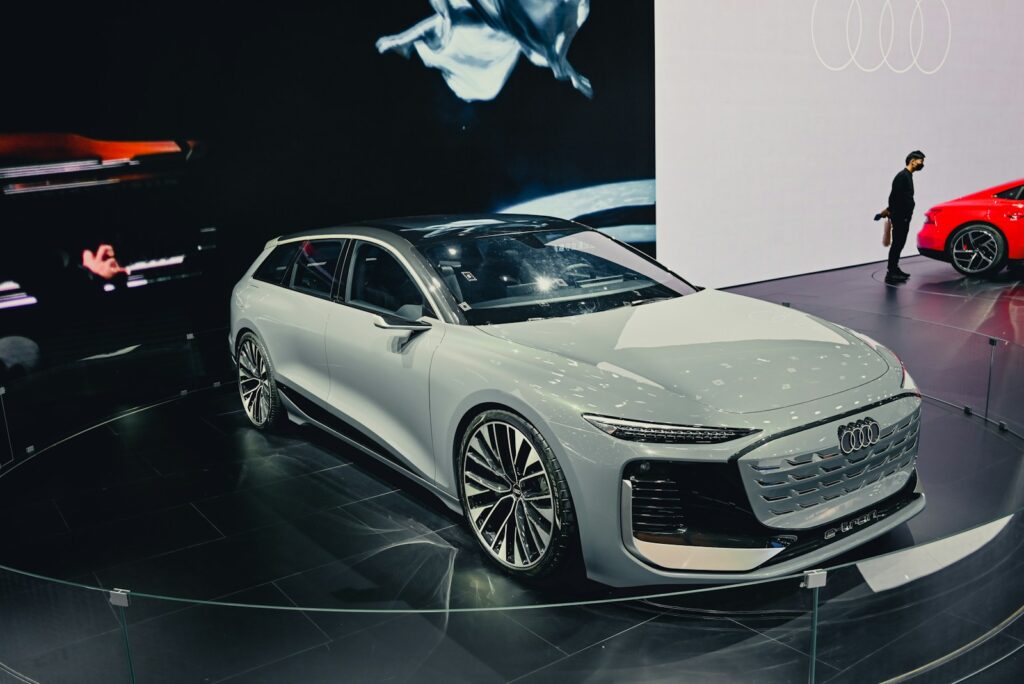
Rumors of a Cancellation, and Audi’s Quick Pushback
The drama started when reports in German outlets suggested Audi’s upcoming sports car program had been quietly pushed into limbo, with some speculation that the project might be scrapped outright. Those stories landed in a vacuum created by the end of the TT and R8, two cars that had given the brand much of its visual flair and emotional pull, and they made it sound as if the company was walking away from that part of its identity altogether. In response, Audi moved quickly to say that its long-awaited two-seater was still on the roadmap, stressing that the car remained a key piece of its future lineup and that talk of a full cancellation was premature, a stance reflected in detailed coverage of how Audi Denies Killing project.
That message has been repeated in follow up reporting, where Audi is described as explicitly denying that it has killed its long-awaited sports car and pushing back on the idea that the program has been abandoned. The company’s line is that development is ongoing, even if the timing and technical details are still being refined, and that the car is meant to restore some of the glamour lost when the TT and R8 were discontinued. Coverage of the company’s response notes that Audi denies killing the car outright, even as it acknowledges that the project is evolving.
What the New Sports Car Is Supposed to Be
Underneath the rumor mill, there is a fairly clear outline of what Audi wants this car to represent. The company has already said that the two-seater will be an EV-only model, with no combustion version planned at any stage of its life cycle, a point that spokesperson Daniel Schuster has made in comments about the project’s direction. That means the car is not a successor in the traditional sense to the TT or R8, but rather a new flagship that leans into electric performance, advanced interfaces and a more digital cockpit, an approach that has been described in detail in reporting on how Audi Denies Killing project while emphasizing its tech focus.
Some time ago, Audi spokesperson Daniel Schuster told Motor1 that the two-seater would be an EV-only affair, with no plans for a combustion engine version, and that the company was targeting a launch window that would align with its broader electric rollout by the end of next year. That commitment to a pure electric layout fits with Audi’s wider strategy for its top-tier sports models, which also includes a separate flagship concept, The Audi Concept C, that is due in 2027 and is likewise planned as an EV-only car, a direction spelled out in coverage of how The Audi Concept will not be offered with a gas engine.
German Speculation, EV Headwinds and the Reddit Factor
The tension around the project is not just about one car, it is about whether Audi can navigate a messy EV transition while keeping enthusiasts on board. German media has speculated that the future of the sports car is up in the air, pointing to internal debates over costs, platform sharing and the pace of electric adoption, and that speculation has been summarized in coverage that frames the situation as Audi Denies Sports while acknowledging that the internal discussion is real. That same reporting notes that German outlets have raised questions about whether the car’s business case still works in a market where EV demand is uneven and incentives are shifting.
Outside the traditional media, enthusiasts have been connecting the dots between Audi’s plans and the struggles of its corporate cousin Porsche, which has faced its own challenges with electric sports cars. On Reddit, one widely shared discussion thread bluntly suggests that Porsche’s EV problems may kill Audi’s new TT-style project, with users arguing that delays and cost overruns on shared platforms could ripple across brands in the group. The thread points back to Ferdinand Porsche and the early P1 as a reminder that the company has been wrestling with electric ideas for more than a century, yet still finds the modern transition difficult, a point that surfaces in the Porsche discussion about shared EV platforms.
Why Audi Needs Another TT Moment
For Audi, the stakes are not just about filling a slot in the catalog, they are about recapturing the kind of cultural moment the original TT delivered. When that car arrived, it gave the brand a design-led halo that bled into everything from hatchbacks to SUVs, and it helped define Audi as the stylish, tech-forward alternative to BMW and Mercedes. Reporting on the current sports car project makes it clear that the company is chasing a similar effect, arguing that Audi needs another TT-style breakthrough to restore some of the glamour it lost when the TT and R8 were discontinued, a point that is spelled out in analysis of why Audi needs another TT moment.
That is why the company has been so quick to knock down talk of a cancellation, even as it concedes that the car’s timeline and technical package are still moving targets. In more detailed coverage of the internal debate, Audi is described as shunning sports car cancellation rumors while still wrestling with how to position the car in a market that is shifting under its feet, a tension captured in reporting that frames the situation as Audi Denies Sports but acknowledges that the project is not immune to broader EV headwinds. The company knows that if it stumbles here, it risks reinforcing a narrative that it has lost its edge just as rivals are sharpening theirs.
Sales Pressure, EV Commitments and What Happens Next
All of this is playing out against a tougher financial backdrop for Audi, which has seen its sales slip while BMW and Mercedes continue to pull ahead. Earlier this year, the company’s performance was described as lagging its German rivals, with Audi cutting its full-year profitability forecast twice while dealing with restructuring costs and changing customer behavior, a situation laid out in reporting that notes how Audi sales fell in 2025 as BMW and Mercedes won again. That kind of pressure makes every big-ticket project harder to justify, especially one that is not guaranteed to move huge volumes.
More from Wilder Media Group: