
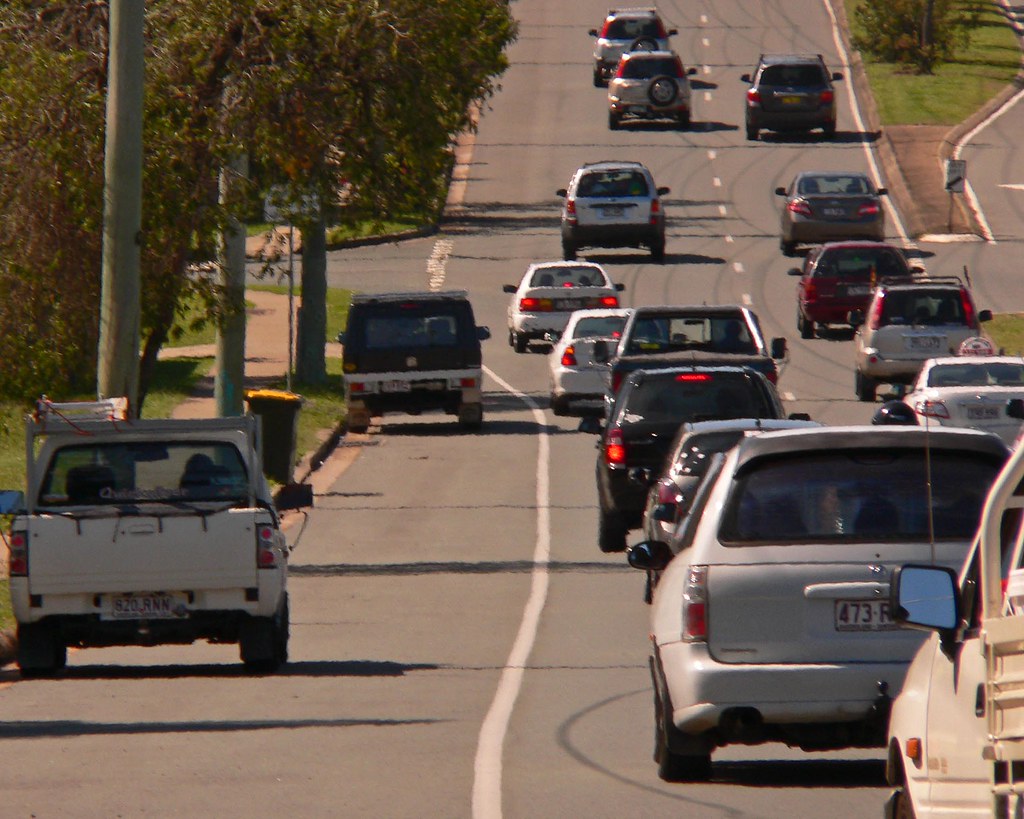

You’ve likely felt the frustration when a sudden camera flash delivers an unexpected fine, and now funding for many of those systems is getting cut after years of public complaints. That change directly affects how cities use safety grants, shifts the balance between traffic enforcement and revenue generation, and could alter which cameras stay active in your neighborhood.
Expect a clear look at why officials moved funds away from automated enforcement, how complaints and legislative pushes influenced the debate, and what the near-term consequences mean for local streets and budgets. Keep following to see which places are already rolling back cameras, what arguments each side makes, and how this could change everyday driving where you live.
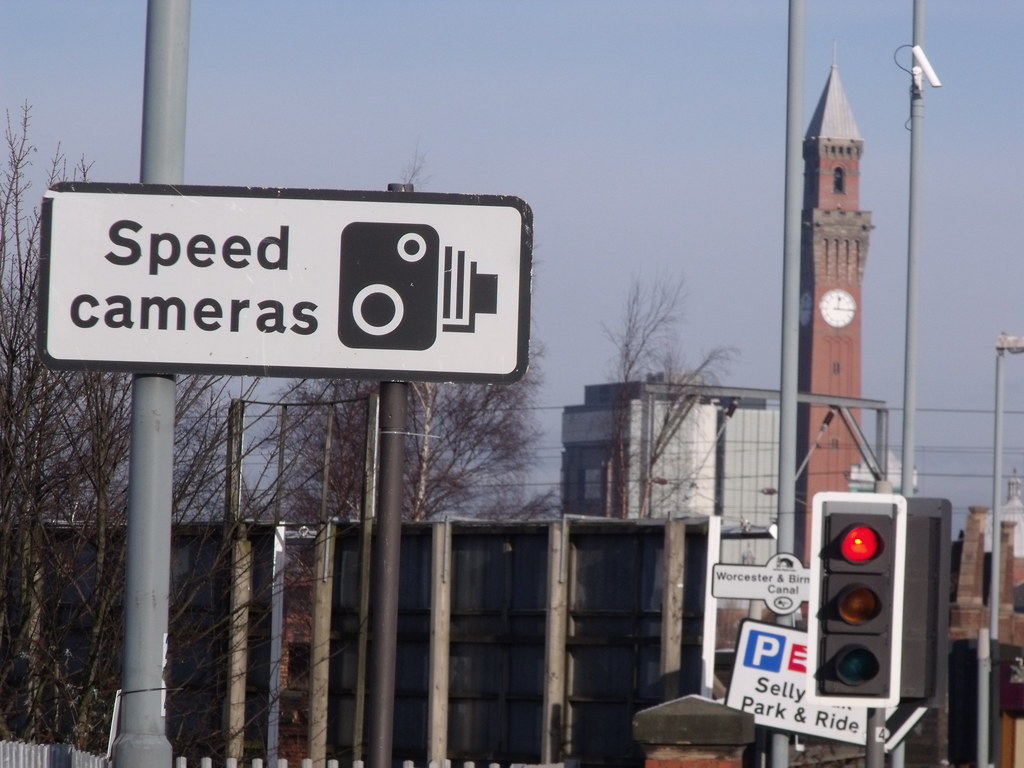
The Shift in Speed Camera Funding
Federal policy now restricts certain grant money for automated enforcement, and local choices and vendor business models are changing in response. You’ll see tighter federal grant rules, varied local uses of camera programs, and direct effects on companies that supply and run speed camera systems.
Policy Changes and Federal Grant Restrictions
The U.S. Department of Transportation moved to bar most Automated Traffic Enforcement purchases from Safe Streets and Roads for All (SS4A) grant funding except in narrow cases like school or work zones. That change limits federal dollars for new speed enforcement cameras and curb-extension projects designed to improve pedestrian safety, with specific exceptions for transit stops and roundabouts.
NHTSA statistics about speed-related fatalities still support automated enforcement as a safety tool, but DOT officials cited concerns about using federal safety funds for programs perceived as revenue-driven. You should expect jurisdictions that relied on SS4A to re-scope projects, seek other funding, or narrow camera deployment to legally protected zones.
Role of Local Governments and Agencies
Local agencies now decide whether to keep programs running, scale back, or repurpose camera revenues. Cities that expanded systems — for example where speed cameras cut speeding by large percentages in pilot locations — face budget gaps if enforcement-generated revenues decline or if states impose new restrictions on revenue use.
You’ll find some states requiring that camera proceeds go to traffic safety improvements, while others ban vendor profit models tied to citation volume. That shift forces municipalities to weigh public safety goals against political pressure from drivers and budgetary dependence on fines, and to reallocate funds to infrastructure projects like complete-streets or pedestrian safety upgrades.
Impact on Speed Camera Suppliers
Vendors such as Verra Mobility and other automated enforcement companies see immediate revenue pressure when federal grants disappear and state rules tighten. Stock movements and contract renewals reflect that risk, especially where contracts depended on expansion funded by SS4A or similar grants.
Companies are adapting by pitching integrated services — operations, maintenance, and data analytics — and by seeking municipal contracts focused on school-zone enforcement or non-citation safety applications. You should watch procurement terms that ban vendor profit per citation and require transparency on revenue flows; those clauses change how suppliers price systems and structure long-term agreements.
Debates, Community Responses, and The Road Ahead
Cities and states are wrestling with whether cameras reduce crashes, unfairly target drivers, or simply raise revenue. You’ll see arguments about equity, safety outcomes, and what to do next.
Driver Complaints and Public Perception
You’ve likely heard drivers complain about timing of citations, unclear signage, and perceived profit motives behind automated speed enforcement. Motorists often point to short yellow-light intervals or cameras placed where slowing briefly still triggers a ticket. Those issues feed distrust and high complaint volumes to city councils.
Some communities report concerns about equity — whether low-income drivers bear the brunt of fines — and demand clearer notice and lower fines. Public perception also shifts when agencies publish crash and speed data showing reductions; transparency about results from programs linked to the Insurance Institute for Highway Safety’s research can help rebuild trust.
Balancing Safety and Revenue
You want safety, not a hidden tax. Municipalities must separate traffic safety goals from budgetary dependence on camera revenue. Laws in some states now require revenues to fund only safety projects like pedestrian crossings, curb extensions, and road preservation rather than general budgets.
That approach ties money back to proven traffic calming measures and pedestrian safety improvements. Cities that keep receipts dedicated to “complete streets” projects or signal timing changes reduce the accusation that cameras exist primarily for revenue. Showing crash reduction numbers and reinvesting in safety programs strengthens the public case for automated speed enforcement.
Traffic Calming Alternatives and Future of Enforcement
You can pursue physical changes that change driver behavior without tickets: raised crosswalks, curb extensions, chicanes, and road diets. Those traffic calming measures often produce sustained speed reductions and better pedestrian safety, especially when combined with education campaigns.
Expect blended strategies: limited camera use where crashes cluster, plus targeted infrastructure funded by camera revenues or other grants. Pilot programs and data-sharing with traffic engineers will guide placement. If you want long-term behavior change, combine automated enforcement with visible engineering fixes and public reporting on outcomes; that mix aligns enforcement with the Safe Streets and speed safety program goals.
- Consider reviewing local pilot results before expansion.
- Advocate for signage and public data to improve acceptance.
- Push for reinvestment of any fines into traffic calming and pedestrian safety projects.
For an example of federal debate over funding restrictions, see the reporting on limits to road safety grants and camera use.
More from Steel Horse Rides: