
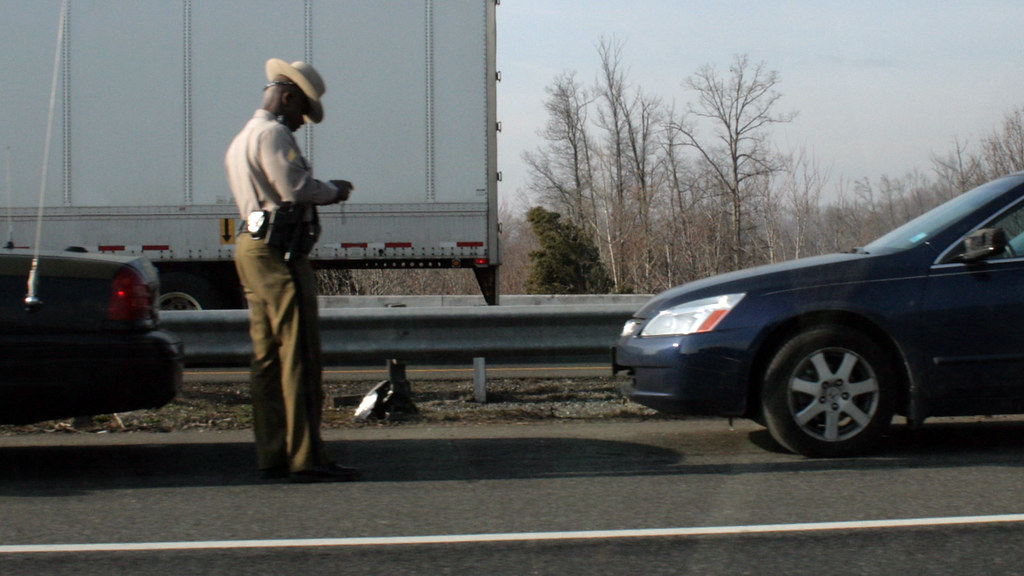

You can face criminal penalties — including jail time for repeat offenses — if you keep exceeding speed limits under the new 35 mph rule. If you repeatedly drive 35 mph or more over the limit (or hit 100 mph in certain situations), the law can escalate ordinary traffic tickets into criminal charges that carry fines, mandatory court appearances, and possible jail sentences.
This change shifts how law enforcement and courts treat extreme speeding, targeting patterns of dangerous behavior rather than one-off mistakes. Expect a closer look at how the law defines offenses, who pushed for it, and what it means for your license, your wallet, and the risk you take every time you press the accelerator.
How the New 35mph Law Cracks Down on Dangerous Speeders
The law creates a criminal offense for extreme speeding, raises fines and jail exposure, and requires court appearances for the worst violations. It targets drivers who exceed limits by large margins and gives law enforcement clearer authority to pursue criminal charges.
What Counts as Dangerous Excessive Speeding in Florida

Dangerous excessive speeding under House Bill 351 (HB 351) applies when you drive at least 50 mph over the posted limit, or when you drive 100 mph or more in a manner that threatens others or property. That means if the limit is 35 mph and you hit 85 mph, you meet the 50-over threshold.
The statute also covers reckless high-speed behavior — not just a single fast reading on your speedometer. If an officer determines your driving endangered people, property, or interfered with traffic at 100+ mph, you can face the criminal charge even if you weren’t exactly 50 mph over the limit. Representative Susan Plasencia sponsored the bill that defines these thresholds.
Penalties for First and Repeat Offenders
For a first conviction of dangerous excessive speeding, the law allows up to 30 days in jail, a $500 fine, or both. A second or subsequent conviction raises the stakes to up to 90 days in jail and fines up to $1,000, or both penalties.
If you get convicted again within five years of a prior conviction, the law mandates driver’s license revocation for at least 180 days. Civil penalties and discretionary fines for driving 30 or 50 mph over the limit remain possible, but HB 351 creates the new criminal layer for repeat or extreme cases. These penalties mean a high-speed incident can move beyond traffic points to a criminal record.
Mandatory Court Appearances for High-Speed Violations
HB 351 requires you to appear in court if you exceed the speed limit by 50 mph or more. You can’t simply pay an online fine and move on; a judge will review the circumstances and determine criminal culpability.
Court appearance rules give prosecutors and defense attorneys the chance to present evidence about recklessness, road conditions, and whether your conduct met the statute’s thresholds. Expect officers to file charges that bring the case into criminal court rather than traffic court, especially for repeat offenders or 100+ mph incidents labeled as super speeders. For practical steps, bring any speed logs, dashcam footage, or witness information to your hearing.
Key Players and the Push for Stricter Speeding Laws
The law targets drivers who exceed limits by large margins, raises fines, allows jail time for repeat offenders, and prompted sharp debate over public safety, enforcement, and proportionality.
Legislative Sponsors and Their Motivations
You’ll see House Bill 351 tied to lawmakers who framed the measure as a crackdown on the most dangerous speeders. Representative Susan Plasencia promoted stricter penalties to reduce roadway deaths and make court oversight mandatory for extreme cases.
Plasencia emphasized deterrence: higher fines, doubled penalties for repeat offenses, and judicial review aim to change driver behavior rather than only raise revenue.
Senator Jason Pizzo advocated for clearer thresholds and enforcement tools while pressing for safeguards against disproportionate punishment.
Pizzo pushed amendments during committee work to refine definitions — like when a driver is “dangerous” — and to ensure penalties target truly reckless conduct, not marginal breaches.
Both sponsors used crash statistics and local constituent complaints to justify the bill’s scope.
They also coordinated with county law enforcement and highway safety officials to shape practical enforcement language.
Governor Ron DeSantis’ Role and Public Response
You watched the governor sign the bill into law and frame it as necessary for public safety.
Governor Ron DeSantis publicly supported criminalizing “dangerous excessive speeding” — notably offenses 50+ mph over the limit — and backed sentencing options including up to 30 days in jail for first offenses in some cases.
Public reaction split quickly.
Victims’ advocates and some law enforcement praised the move as tough but needed. Others criticized potential overcriminalization and questioned whether jail time for speeders is proportional.
You should note the administration highlighted coordination with Florida Highway Safety and Motor Vehicles for rollout.
Critics raised concerns about equitable enforcement and urged clearer guidelines for prosecutors on when to seek jail time.
Senate Debate and Differing Penalty Proposals
You saw intense back-and-forth in the Senate over how harsh penalties should be.
Some senators sought mandatory jail for repeat super-speeding, while others proposed increased fines and license suspensions instead of incarceration.
Debate centered on measurable thresholds and prosecutorial discretion.
Supporters argued that fixed jail terms would deter extreme behavior; opponents warned that rigid penalties could clog courts and disproportionately affect low-income drivers.
Amendments from Sen. Jason Pizzo and colleagues attempted balance by clarifying when criminal charges apply and by allowing judges discretion on sentencing.
The final compromise preserved criminal exposure for the most extreme cases while keeping options—fines, court appearances, and potential license actions—for varied circumstances.
Relevant reporting and the bill text for House Bill 351 provide details on thresholds, fines, and the statutory language that produced the enacted penalties.
For the bill specifics and legislative history, see the coverage of House Bill 351 and the new penalties.
More from Steel Horse Rides: