


You probably enjoy the latest gadgets and luxe options when shopping for a car, but some of those features quietly raise your long-term costs. Mechanics warn that systems like air suspension, advanced driver-assist sensors, and integrated LED lighting often mean pricier diagnostics, specialty parts, and labor when things go wrong. If you want to avoid surprise repair bills, prioritize simple, proven systems over flashy, complex features.
This article shows which popular options tend to be the most expensive to fix, why they fail more often, and which vehicles are most likely to bite your wallet so you can make smarter choices when buying or upgrading.
Car Features That Lead to Expensive Repairs
These modern systems can add convenience but often increase repair complexity, parts costs, and shop time. Expect diagnostic-only visits, specialized tools, and higher parts bills when these features act up.
Electronic Parking Brakes: Hidden Complexities
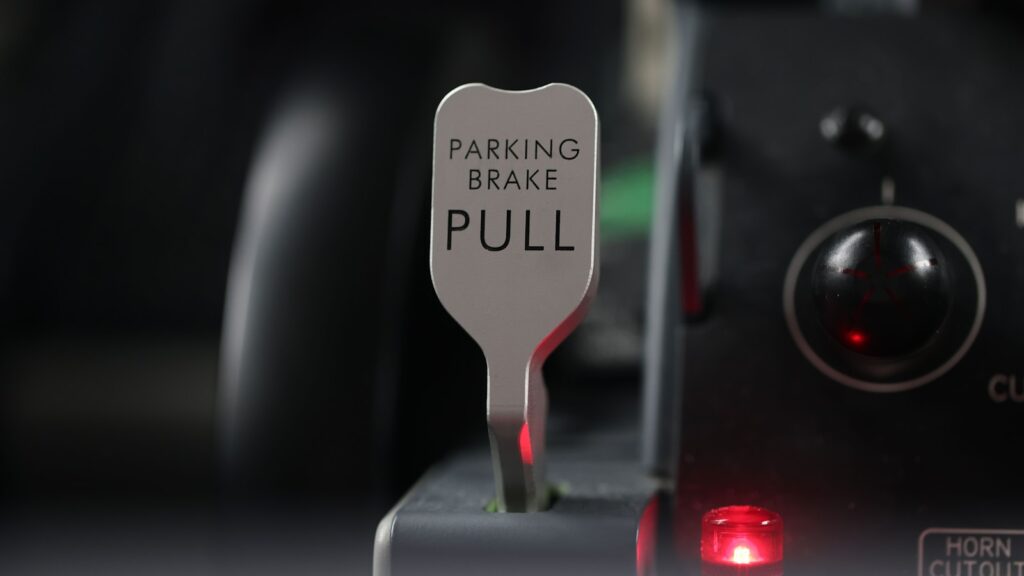
Electronic parking brakes replace a cable and lever with motors, control modules, and sensors. If yours fails, a simple manual release may not work; mechanics frequently need dealer-level diagnostic tools to command the actuator or run a relearn procedure.
Parts and labor add up quickly. A single actuator or control module can cost several hundred dollars, and labor often includes removing interior trim or brake components, which adds hours to the bill.
Battery-related issues make this worse. If your car’s 12V battery dies, the system can lock the brakes and require a tow or a technician with special procedures to release them. That increases downtime and unexpected expenses. Ask whether a model has a manual backup and check typical parts availability before buying.
Adaptive Cruise Control and Advanced Driver Systems
Adaptive cruise control (ACC) relies on cameras, radar, and software to manage speed and distance. A collision, windshield replacement, or even a bumped sensor can throw the system out of calibration. Calibration needs calibrated targets and scan tools; independent shops may not have the exact equipment, forcing dealership visits that raise labor rates.
Repair costs span sensors ($200–$1,000+), control modules, and calibration time. Poor parts availability for specific radar or LIDAR heads can add weeks to repair time and increase costs. If you rely on these features, confirm whether routine windshield shops can perform ADAS recalibration or if the manufacturer restricts parts and tools to dealers.
Touchscreen Infotainment and Integrated Controls
Modern infotainment modules often combine radio, HVAC controls, and vehicle functions into one unit. A failed touchscreen can disable climate control, backup camera views, and safety alerts, turning a simple bulb replacement into a $1,000+ module swap. Integrated units frequently require programming after installation, so you’re paying for both the part and time to flash software.
Parts availability varies by brand; low-volume parts or region-limited modules can be backordered. Diagnostics usually require manufacturer-specific software, meaning independent shops sometimes can’t complete repairs. If you value easy maintenance, check whether the vehicle uses separate modular components or a single integrated unit before you buy.
Real-World Impacts and Cars Most Affected
You’ll see higher bills, longer waits at shops, and models that repeatedly crop up in mechanic warnings. Expect issues to cluster around specific parts and a few common compact-car names.
Transmission Problems and Common Models
Transmission failures often start as slipping gears, delayed engagement, or shuddering during acceleration. On many older automatic and some CVT-equipped cars, these symptoms can mean a fluid leak, worn clutch packs, or a failed valve body—repairs that typically run from $1,500 to over $4,000 depending on whether the unit needs a rebuild or full replacement.
Popular compact models like the Honda Civic and some generations of the Toyota Corolla have reported transmission-related complaints—especially CVT-equipped trims where replacement or specialized rebuilds are pricier and less widely supported. You should check service history for fluid changes and software updates; dealers sometimes issue calibration fixes that prevent progression. If you buy used, have a trusted mechanic road-test the car under load and inspect for transmission fluid discoloration and metal particles.
Suspension Failures and Repair Obstacles
Suspension problems show up as uneven tire wear, noisy bumps, or a vehicle that leans excessively in turns. Failure points include worn control-arm bushings, failing struts/shocks, and broken ball joints. Labor is a big cost driver here because suspension work often requires alignment, wheel balancing, and component matching across an axle.
You’ll see elevated repair complexity on cars with electronic dampers or integrated sensor systems; replacing an adaptive shock or recalibrating height sensors can double parts-and-labor costs versus standard shocks. Older Corollas and Civics can incur modest costs for basic strut/arm replacements, but if aftermarket parts are scarce for a specific trim or if the car needs alignment and tire replacement afterward, the bill grows quickly. Ask your mechanic whether parts are OEM or aftermarket and whether reprogramming is required post-repair.
How Total Cost of Ownership Is Affected
Repairs for major systems—transmission and suspension—directly raise your total cost of ownership (TCO) through repair bills, downtime, and lost resale value. A failed transmission can erase years of low-maintenance savings in a single $3,000–$5,000 repair. Frequent suspension fixes add up with alignments and premature tire replacement, pushing annual maintenance costs well above typical compact-car expectations.
Insurance and warranty status matter. Certified pre-owned coverage or extended powertrain warranties can shift thousands in potential costs back to the dealer or underwriter. For cars like the Corolla and Civic, which historically have lower baseline TCO, an otherwise small model-year-specific defect (e.g., CVT quirks) can make a particular trim notably more expensive to own. Track repair records and factor likely major-service intervals into your budget before you buy.
More from Steel Horse Rides: