
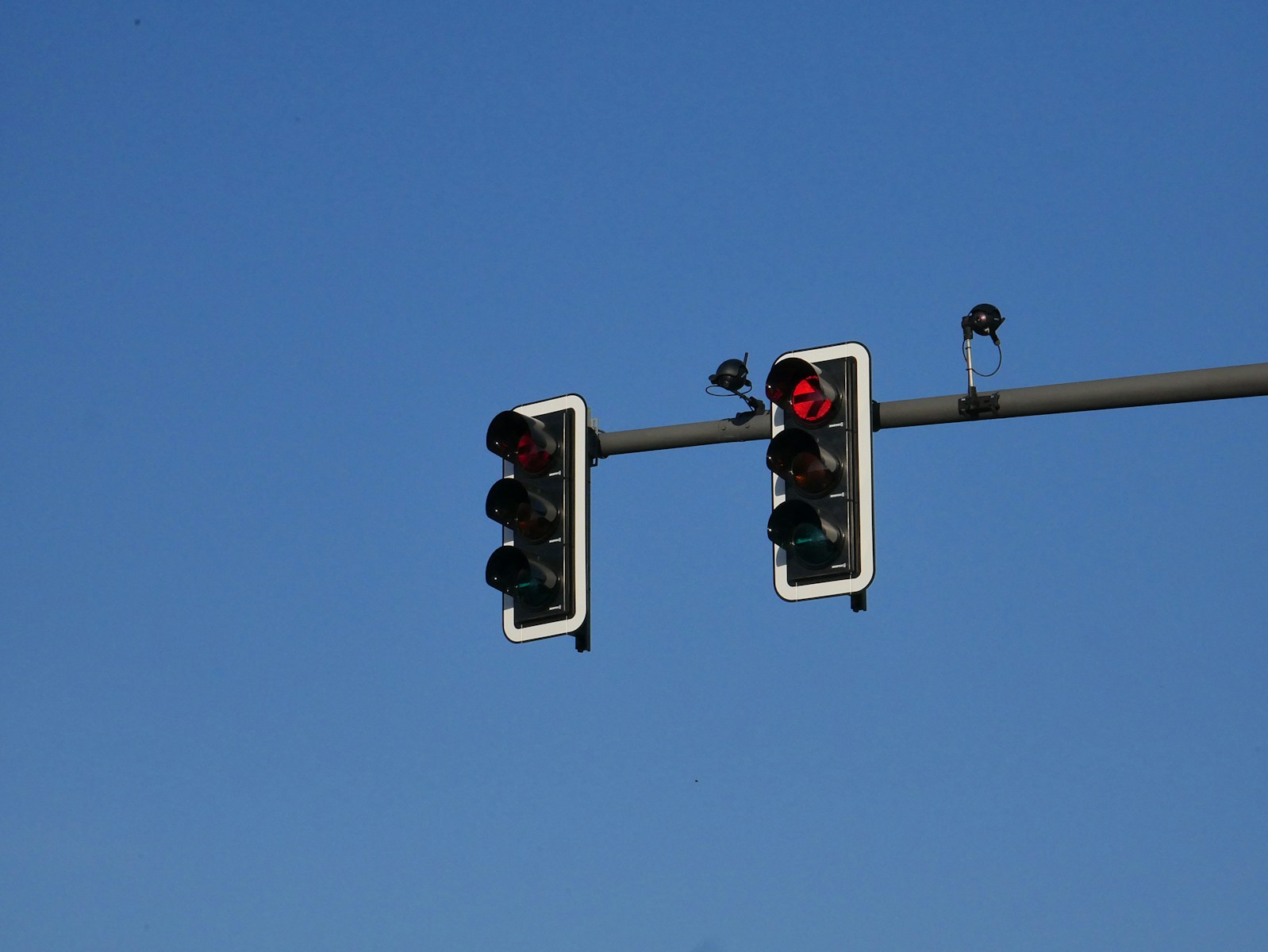

More cities are swapping traffic stops for smart roadside cameras that spot violations, document behavior, and trigger automated enforcement. You’ll learn how these systems can cut crashes and change driver habits while also raising questions about privacy, fairness, and how enforcement is handled.
Picture a junction where cameras monitor red lights, stop signs, and dangerous turns continuously — catching risky moves that officers can’t always see. The article dives into how the technology works, real-world safety effects, and the debates shaping whether your street gets cameras or more traditional patrols.
How Roadside Cameras Are Transforming Traffic Enforcement
Automated systems detect specific violations, collect evidence, and route notices without routine traffic stops. You’ll see cameras replacing some officer-initiated stops by focusing on measurable behaviors like speeding, red-light running, and stop-arm violations.
Shift from Traditional Traffic Stops to Automated Enforcement
You no longer rely solely on an officer pulling a car over to change behavior. Automated enforcement systems let you enforce speed limits and red lights continuously, day and night, without diverting patrols from other duties. That reduces the need for dangerous roadside interactions and frees officers for investigations and community policing.
This approach changes who responds to violations. Instead of an officer’s judgment at the scene, a validated detection system plus human review typically confirms a violation before a notice goes out. For you, that means more consistent enforcement of clear, data-driven rules like posted speed limits and signal phases.
Communities use revenue rules and public engagement to keep programs transparent. Many jurisdictions limit camera locations to high-crash corridors or school zones, and they publish deployment data to build trust.
Types of Roadside Cameras and Sensors
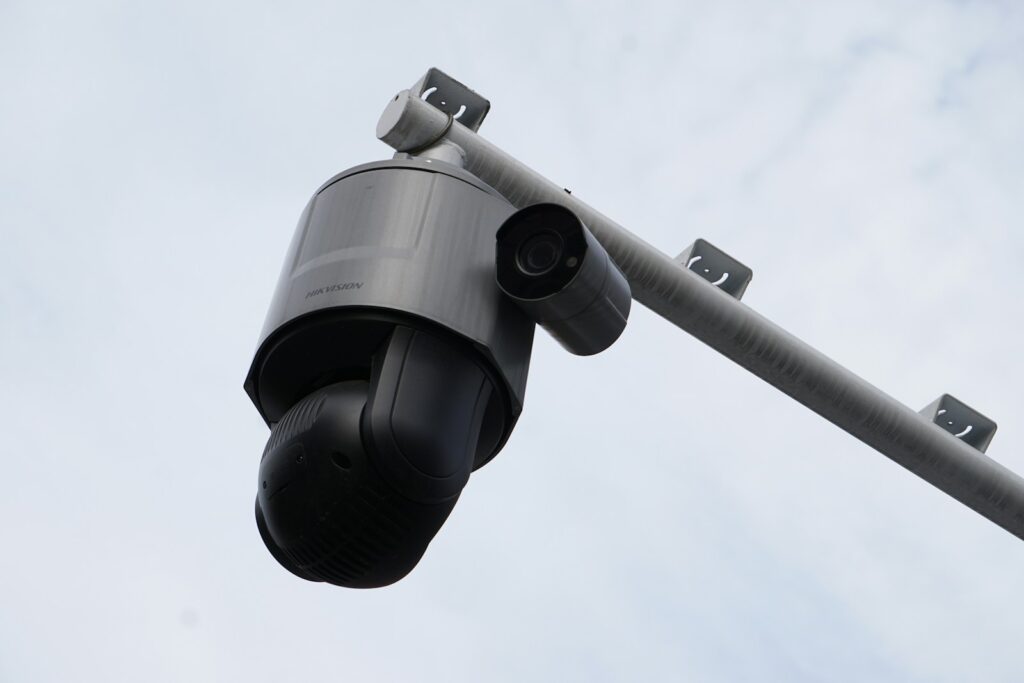
Speed enforcement cameras vary: radar- or lidar-triggered fixed towers, mobile vans, and pole-mounted units you might see in school zones. Radar and lidar provide precise speed readings; lidar gives single-vehicle targeting in dense traffic.
Red-light cameras pair high-resolution imaging with loop detectors or video analytics to capture signal phase and intersection entry time. ALPR (automated license plate recognition) systems record plate numbers for automated processing; you’ll see ALPR used for both red-light and speed enforcement.
Some systems combine multiple sensors. For example, a speed camera may use radar to detect a violator, a high-res camera to capture the plate, and ALPR to read the plate automatically. Roadside sensors also include inductive loops and video-based analytics for traffic counting and violation confirmation.
How Automated Cameras Identify and Process Violations
Detection begins with a sensor—radar, lidar, or loop—that flags an object exceeding a threshold, like 10 mph over the limit or entering an intersection after the light turns red. The system then triggers high-resolution stills or short video clips showing the violation and vehicle context.
Automated license plate recognition reads the plate from the image and cross-references vehicle registration databases to identify the owner. A human reviewer often verifies the footage to filter out false positives, obscured plates, or emergency vehicle exemptions before a citation is issued.
Processed violations generate a packet: time, GPS coordinates, measured speed or phase timing, images/video, and ALPR output. That packet supports appeals and legal defensibility. You’ll typically receive a mailed notice or digital alert with instructions for payment or contesting the violation.
The Impact and Controversies of Camera-Based Traffic Enforcement
Camera programs reduce speeding, curb red-light running, and target high-risk locations while raising questions about privacy, equity, and how revenue is used. You’ll see clear safety gains in some studies but also pushback over surveillance, ticketing fairness, and data handling.
Effectiveness in Reducing Crashes and Increasing Safety
Automated cameras have produced measurable drops in specific dangerous behaviors. Multiple evaluations show reductions in speeding of 10+ mph at instrumented locations and fewer red-light violations, which typically cut right-angle collision risk at intersections. The Insurance Institute for Highway Safety and other researchers report that well-located cameras—near schools, work zones, and high-crash corridors—tend to deliver the largest safety returns.
Cameras supplement traditional enforcement where police staffing is thin, helping reach Vision Zero goals for reducing traffic deaths and pedestrian injuries. Still, you should judge results by local crash and injury data; indiscriminate placement can yield smaller safety gains.
Public Opinions and Privacy Issues
You’ll encounter mixed public views: some communities welcome cameras for saving lives, others see them as surveillance or revenue tools. Concerns include facial recognition, retention of vehicle data, and whether cameras disproportionately ticket low-income or minority drivers. Research and reporting suggest equity issues influence trust and program acceptance.
Transparent policies mitigate pushback. Publish clear rules on what data you collect, how long you keep it, and whether third parties access footage. Community engagement and visible signage where cameras operate also improve legitimacy and reduce claims of surprise enforcement.
Data-Driven Traffic Management and the Future of Smart Mobility
Cameras form a core part of connected infrastructure and smart mobility systems you’ll build to manage flows, protect vulnerable road users, and design safer streets. Beyond issuing citations, camera data can feed adaptive signal timing, identify recurring conflict points, and prioritize engineering fixes. Agencies like state highway safety offices and NHTSA recommend using camera findings to guide investments in physical countermeasures.
As you integrate cameras with other sensors, plan for interoperability and strong data governance. Smart technologies can reduce traffic fatalities and improve traffic management, but only if you pair analytics with clear privacy controls and community-centered deployment strategies.
More from Steel Horse Rides: