

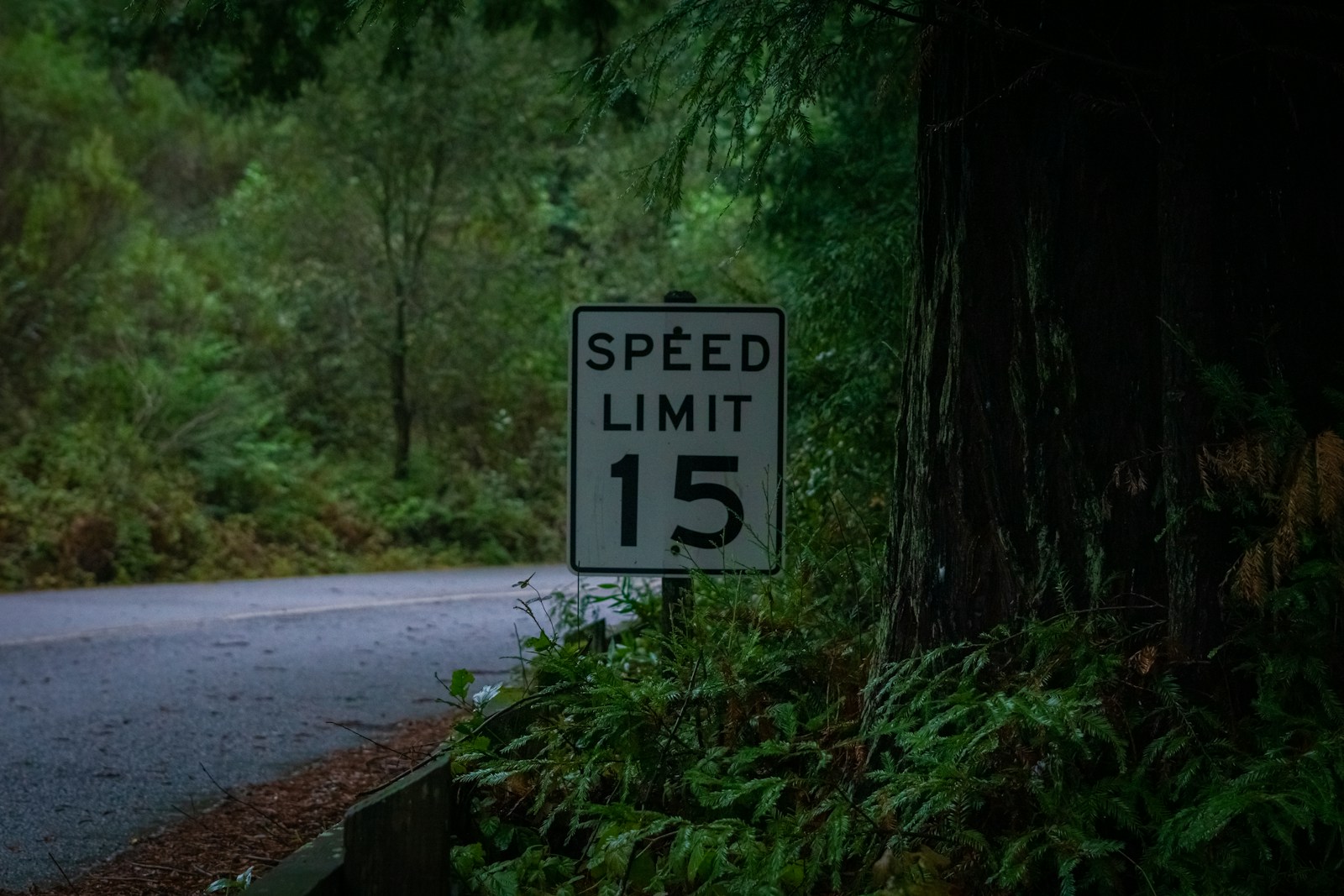
You’ll notice slower streets in more cities and likely in parts of your neighborhood soon. Cities are lowering speed limits around schools, on shared streets, and across new slow zones to cut crash severity and make walking, biking, and driving safer. These targeted reductions can meaningfully lower the risk of serious injury in a crash while fitting into broader street redesigns that calm traffic.
Expect the article to explain why officials now favor context-based speed limits and how those limits pair with physical changes—like narrower lanes, raised crosswalks, and redesigned curb space—to actually slow vehicles. You’ll learn what these changes mean for daily trips, local safety, and where to watch for new 20 mph and 10 mph areas.
Why Cities Are Dropping Speed Limits
Cities are lowering posted speeds to reduce crash severity, protect people walking and biking, and give traffic planners more tools to redesign streets for safety and equity. These changes link to local policies, research on crash outcomes, and targeted programs near schools and high-injury corridors.
The Push for Safer Streets
You’re seeing more local campaigns and grassroots groups push for lower speed limits because slower traffic directly reduces deadly outcomes. Families who lost loved ones and advocacy groups have pressed city councils to act; in New York, for example, Sammy’s Law gives the city authority to set 20 mph and even 10 mph zones in redesigned streets, focusing reductions near schools and community-priority areas (https://www.nyc.gov/html/dot/html/pr2024/sammys-law-enactment.shtml).
Cities also tie speed reductions to Vision Zero commitments and equity goals. You’ll notice many reductions targeted to neighborhoods with higher pedestrian exposure and fewer prior safety investments. Lowering the default speed limit becomes one part of a package that may include redesigned intersections, curb extensions, and expanded slow zones.
Impact on Pedestrian and Cyclist Safety
You benefit directly from slower vehicle speeds because fatal crash risk drops steeply as speeds fall. The Insurance Institute for Highway Safety and other research show that reducing speeds even by 5–10 mph cuts both crash severity and fatality rates for pedestrians and cyclists. Streets with a 25 mph or lower limit typically see fewer pedestrian fatalities than streets where traffic moves faster.
Lower limits make crossing gaps safer and shorten stopping distances, which helps vulnerable road users including children, seniors, and people using mobility devices. When cities pair posted speed cuts with design changes—raised crosswalks, protected bike lanes, and shorter crossing distances—the protective effect increases and becomes more durable than signage alone.
Policy Shifts and Local Legislation
You’ll find state and municipal law changes enabling cities to set lower local limits are a major driver. Several states have relaxed rules that once tied limits strictly to free-flow vehicle speeds, allowing cities to adopt safety-based limits instead. New York’s recent rollout of Sammy’s Law is a concrete example of local authority being expanded to set 20 mph zones and 10 mph shared-street limits (https://www.nyc.gov/html/dot/html/pr2024/sammys-law-enactment.shtml).
Municipalities use public notice and community board processes to implement changes. You should expect phased rollouts, 60-day comment periods, and prioritization of schools and high-injury corridors. Cities often combine regulatory changes with traffic-calming investments so reduced speed limits translate into real behavior change rather than just new signs.
Data Supporting Lower Speed Limits
You can point to multiple studies showing that lower posted speeds reduce pedestrian deaths and overall traffic fatalities. The Insurance Institute for Highway Safety (IIHS) and national safety agencies report that small reductions in vehicle speed meaningfully lower the probability a pedestrian dies when struck. For instance, risk of death climbs sharply above about 20–25 mph; slowing vehicles toward 20 mph yields outsized safety gains (https://www.iihs.org).
Federal and state guidance also emphasizes combining lower limits with design changes and enforcement for the greatest effect. Cities that have moved from 30 to 25 mph or created area-wide slow zones report measurable drops in severe injuries and fatalities, especially when changes focus on high-crash corridors and vulnerable road users.
How Cities Are Redesigning Roads for Lower Speeds
Cities change pavement, markings, and curb geometry to make streets feel narrower and slower. They pair design changes with signs, cameras, and community feedback so lower posted speeds match how drivers actually move.
Redesigning Streets to Encourage Slower Driving
You’ll see narrower travel lanes (often 10–11 feet instead of 12) to reduce lane-centering behavior and slow drivers. Narrowing can come from adding protected bike lanes, wider sidewalks, or a parking lane that buffers people on foot and on bikes. The National Association of City Transportation Officials (NACTO) recommends design dimensions that support context-appropriate speeds for residential and commercial corridors.
Cities also reallocate space to prioritize nonmotorists: raised crosswalks, curb extensions at intersections, and continuous sidewalks across driveway cuts. These features shorten crossing distances and force vehicles to slow for turning movements. Pairing physical changes with posted speed limit reductions and speed management policies helps the redesigns stick.
Traffic Calming and Engineering Approaches
Traffic calming uses small, targeted measures so you experience slower, steadier speeds. Common tools include speed bumps and humps, chicanes, curb bulbs, and traffic circles. Engineering studies guide whether to use vertical deflection (speed bumps) or horizontal deflection (lane shifts) based on vehicle volumes, truck routing, and emergency access.
You’ll also find data-driven methods: before/after speed studies, radar-based 85th percentile evaluations, and local crash-history reviews determine where interventions belong. Municipalities must balance the Manual on Uniform Traffic Control Devices (MUTCD) rules with local ordinances when placing signs and pavement markings. That ensures compliance and avoids confusing drivers while maximizing safety for people walking, biking, and using e-bikes.
Modern Speed Management Tools
You can now pair physical design with technology to reinforce lower speeds. Speed feedback signs and automated speed safety cameras give immediate, measurable effects on driver behavior. Cameras support enforcement where legislation allows, while feedback signs encourage voluntary compliance without citations.
Cities use dynamic approaches too: variable speed limits during school hours, coordinated corridor timing to discourage speeding, and data dashboards that combine crash, speed, and equity indicators. Agencies also work with state DOTs to manage state-owned roads in cities, because nearly two-thirds of urban traffic deaths occur on those routes. These layered tools let you target reductions where they’ll cut crash severity and protect vulnerable road users.