

Electric cars have surged in popularity over the years, but not all models have hit the mark. While many have succeeded in changing perceptions about electric vehicles, several have stumbled badly in the market for various reasons.
The landscape of electric vehicles is filled with innovations and ambitious designs that aimed to revolutionize transportation. Despite the hype, some of these cars failed to deliver, leaving a mark on the industry. By examining the most notorious flops, you can grasp the lessons learned and see how they shaped the future of electric cars.
Bright Automotive
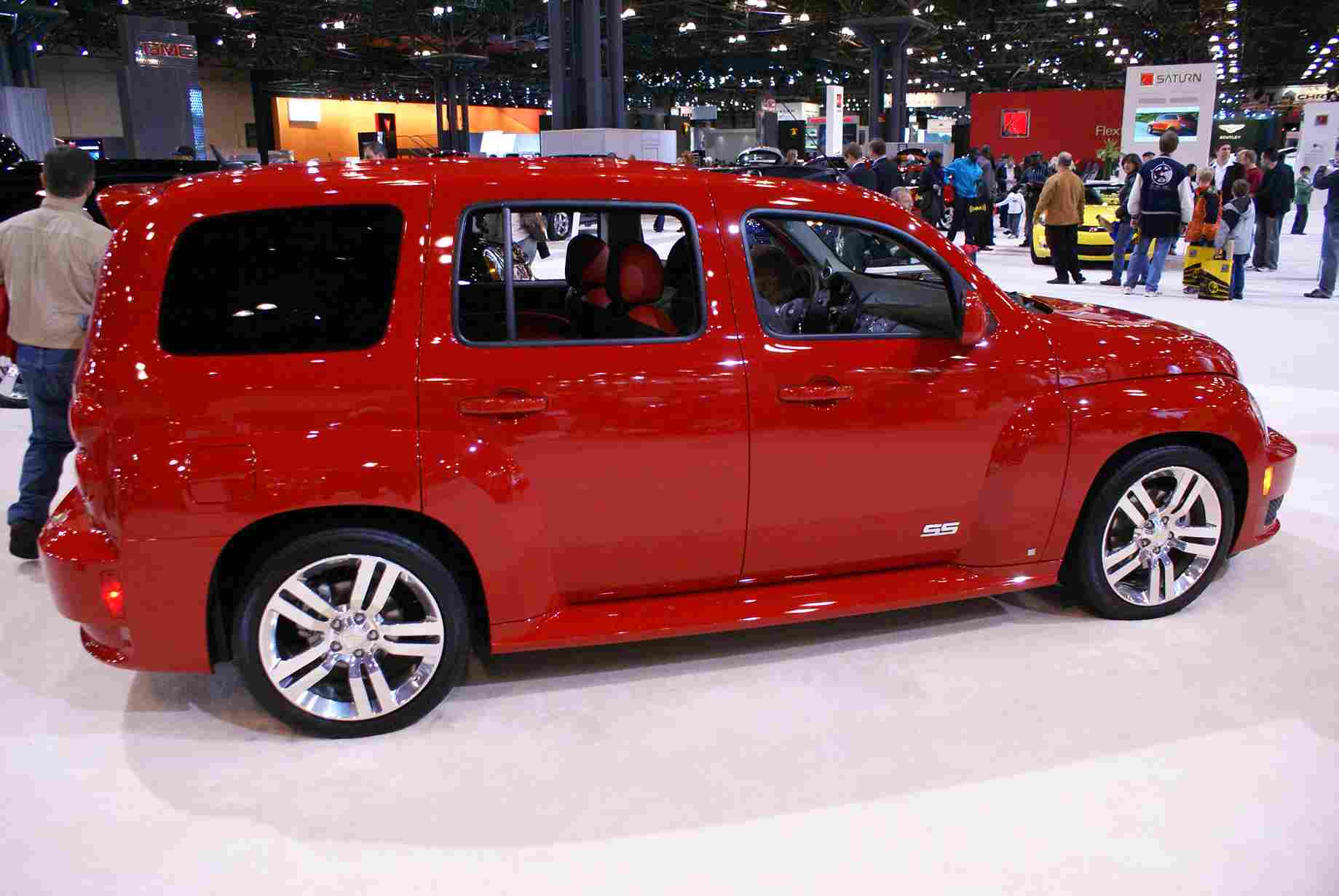
Bright Automotive was a startup based in Indiana, aiming to make a mark in the electric vehicle scene. Founded in 2008, it aimed to produce a plug-in hybrid called the IDEAL, which was planned to get about 100 miles per gallon.
Though there was initial excitement, the company struggled with funding and production challenges. Unfortunately, it couldn’t secure enough investments and had to shut down in 2012. The story of Bright Automotive is a reminder of how difficult the EV market can be for newcomers.
Aptera
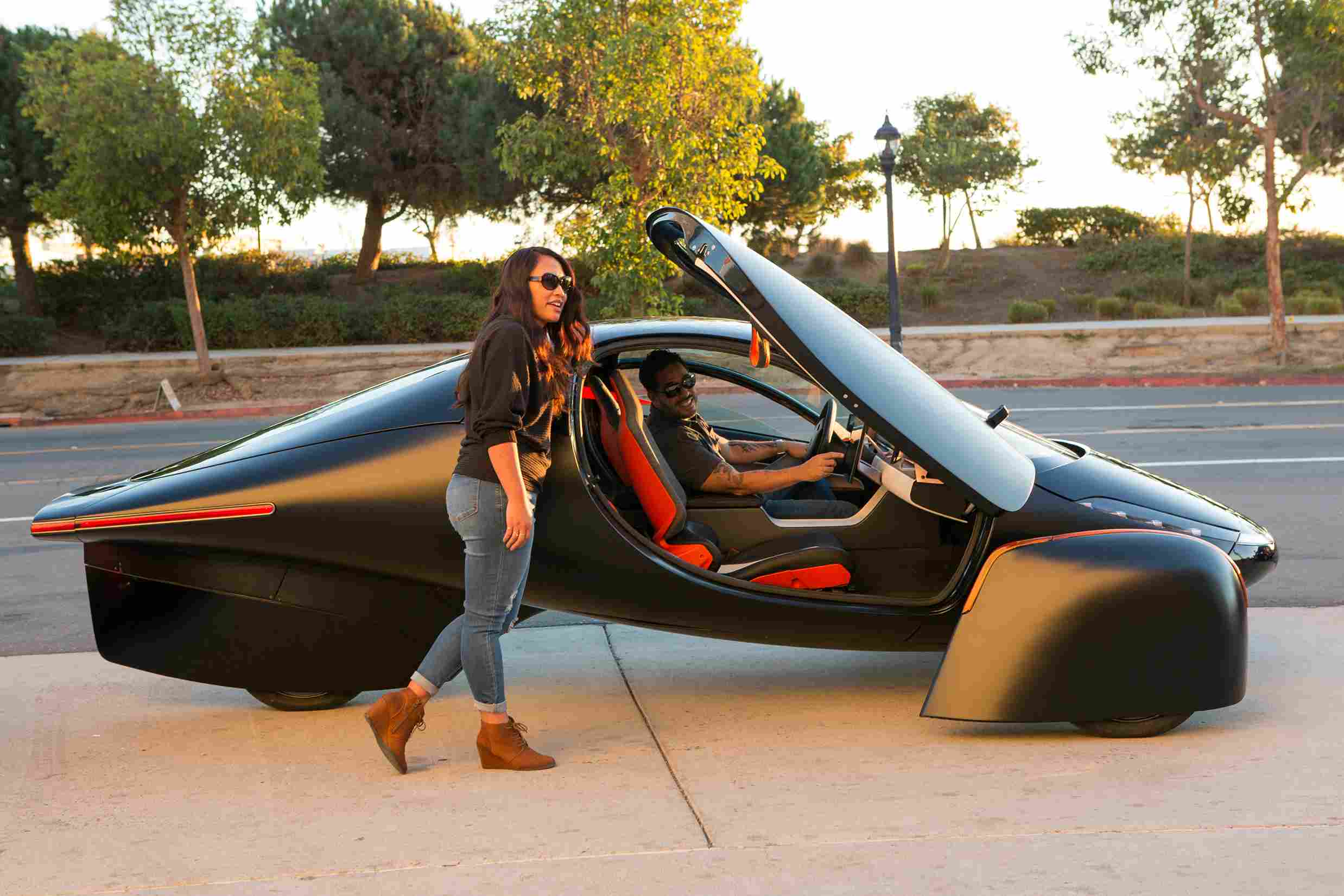
Aptera aimed to change the electric vehicle game with its unique three-wheeled design. It promised impressive efficiency, claiming to achieve up to 1,000 miles on a single charge thanks to solar panels integrated into the body.
Despite the hype, Aptera struggled with production timelines and consistently postponed delivery dates. As of early 2025, the company is still working toward its goal of mass production, leaving many fans wondering if it will ever hit the roads.
The excitement surrounding Aptera highlights the challenges startups face in the competitive electric vehicle market, where many have failed to deliver on their promises.
Coda Automotive
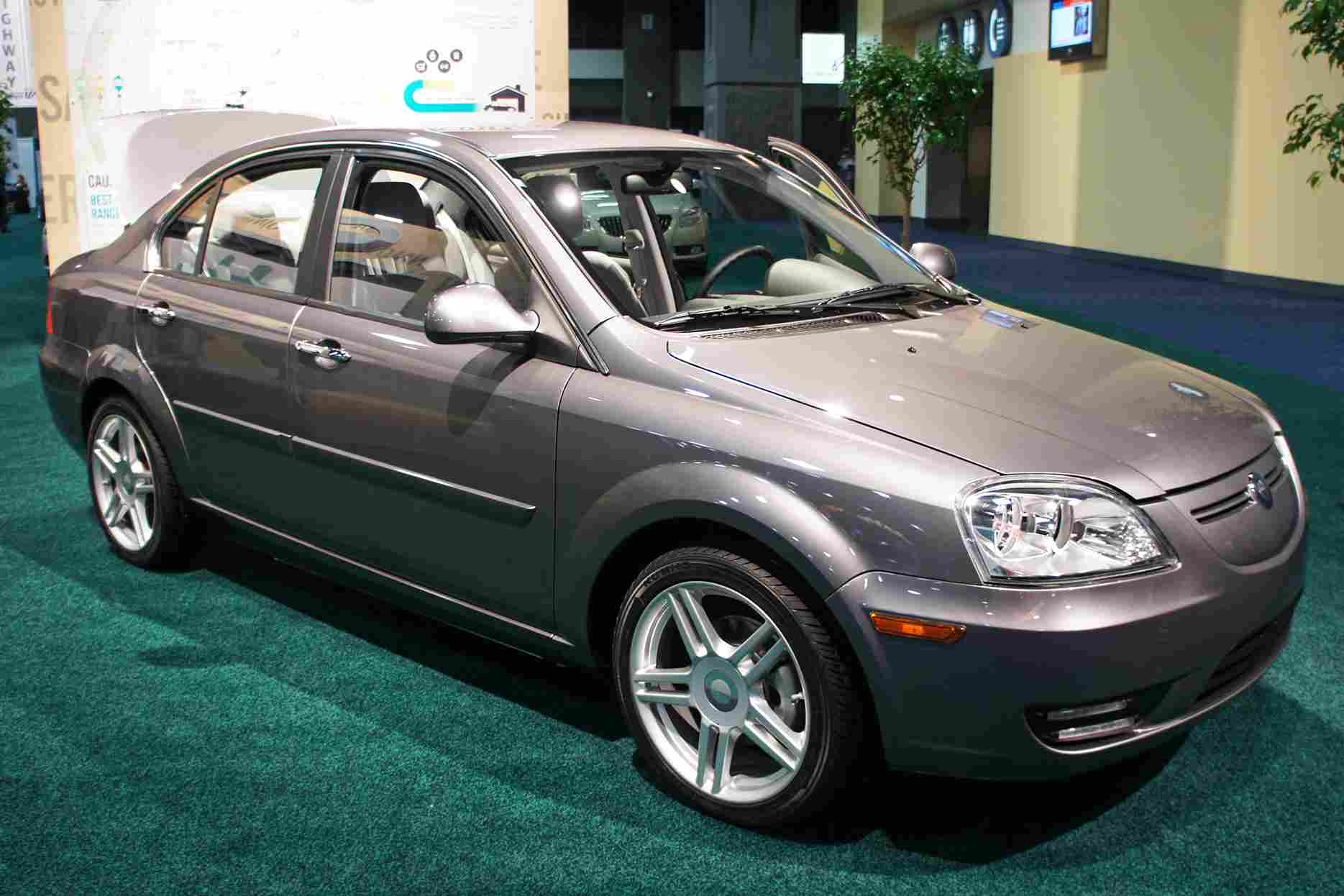
Coda Automotive aimed to shake up the electric vehicle market with its sedan, but things didn’t turn out as planned. They only managed to sell about 100 units before shutting down.
Financial struggles plagued the company from the beginning. Coda wanted to compete with giants like Tesla but lacked the funding to execute their vision.
The Coda EV was an attempt to offer practicality, but the design and performance didn’t resonate with customers. In the end, it became just another story of ambition meeting harsh reality.
Detroit Electric
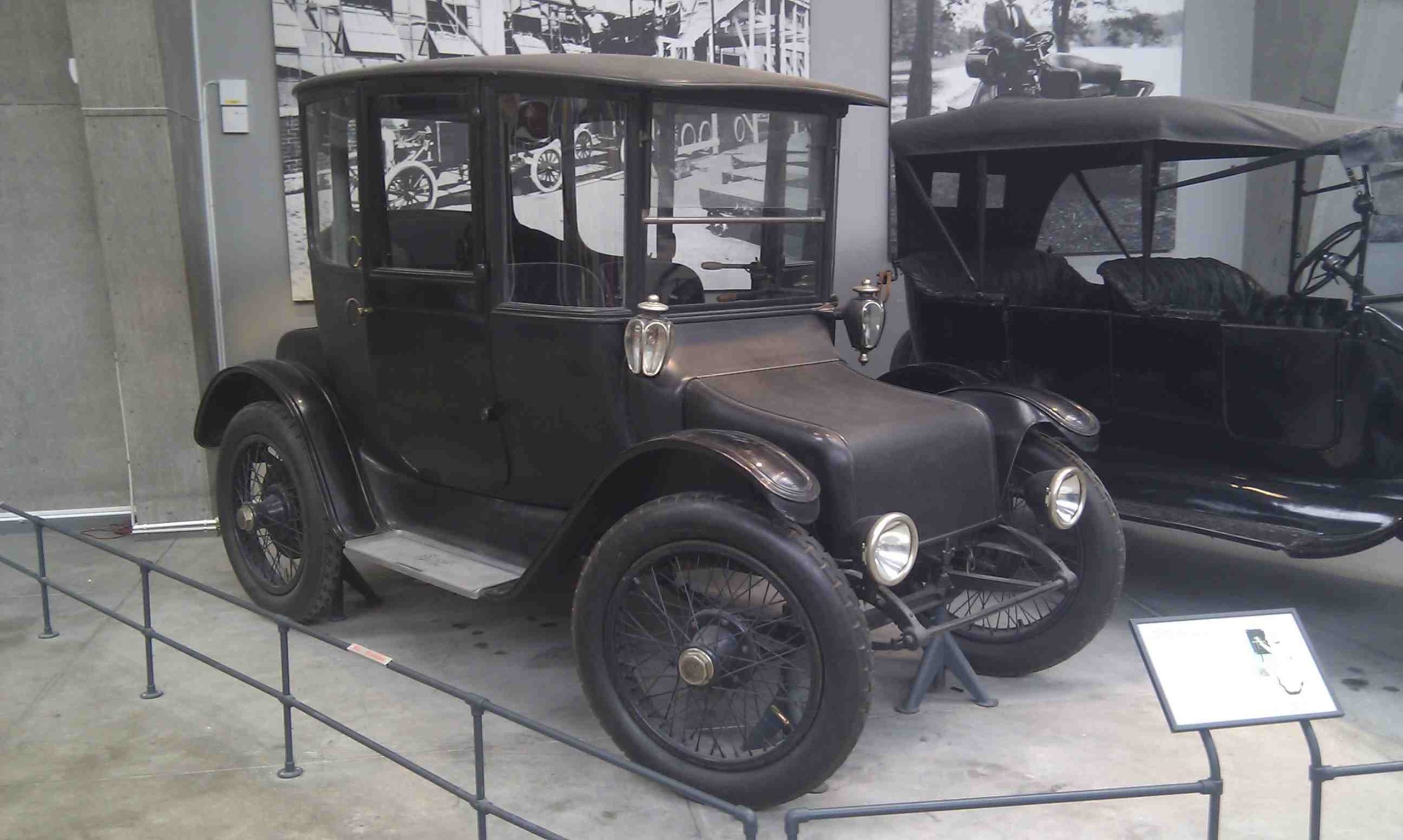
Detroit Electric was an early player in the electric vehicle game. Founded in 1907, the company produced around 13,000 electric cars.
These vehicles were quite popular during their time, especially among the wealthy. They offered a quieter and smoother ride than gasoline cars, which made them appealing.
Despite early success, the company couldn’t keep up with advancements in gasoline technology. Eventually, Detroit Electric faded from the scene by the 1930s, making it a notable chapter in EV history.
GM EV1
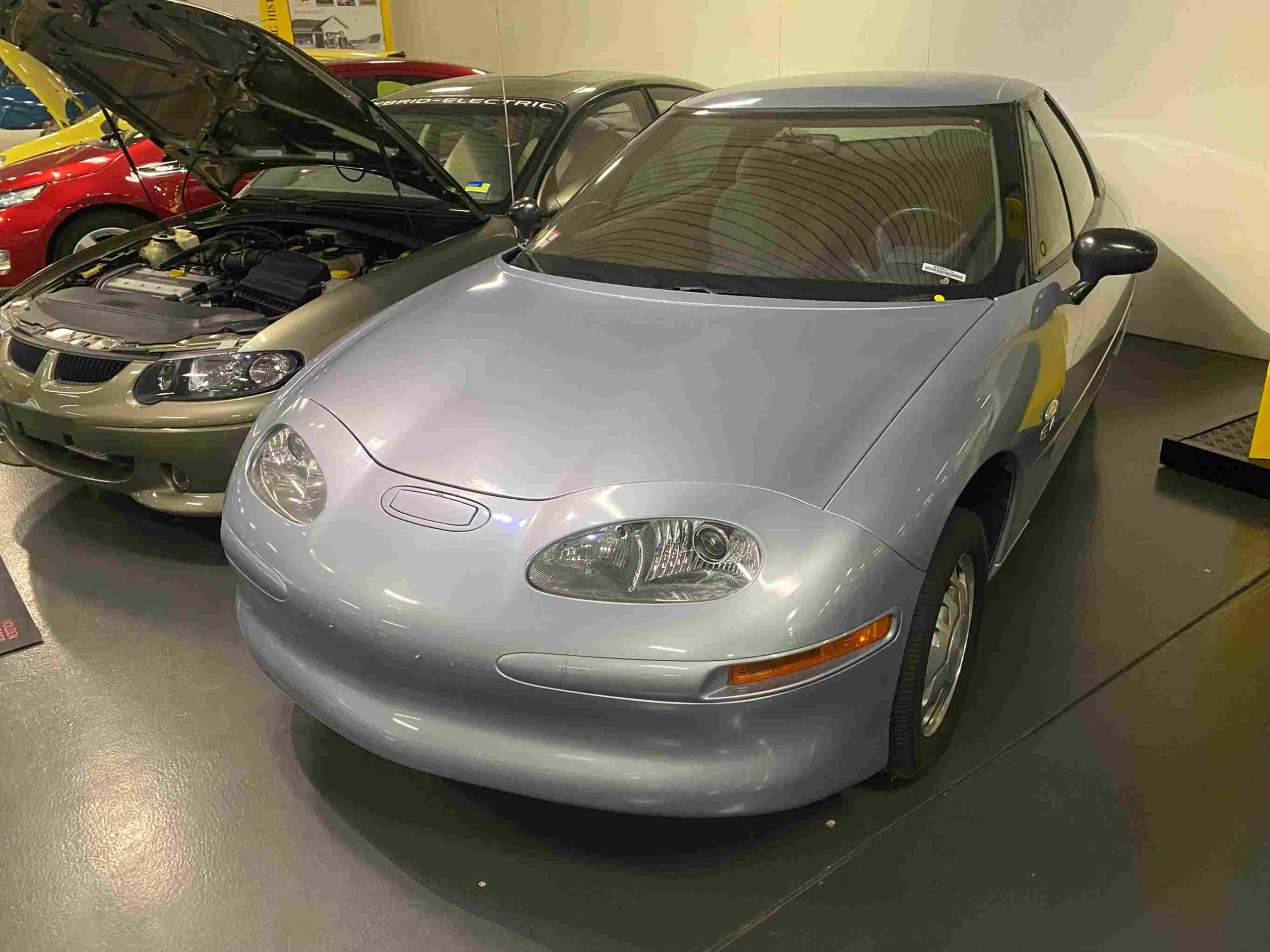
The GM EV1 was a pioneering electric car produced by General Motors from 1996 to 1999. You might find it interesting that only 1,117 units were made during its run.
Despite its innovative technology, the EV1 had a limited range of about 40 to 80 miles per charge. This made it tough to compete in the market, especially when consumers sought more versatility.
In a surprising move, GM crushed most of the EV1s it produced, citing high costs and a lack of replacement parts as reasons. As a result, only a few remain today, making the EV1 a unique piece of automotive history.
Nissan Altra

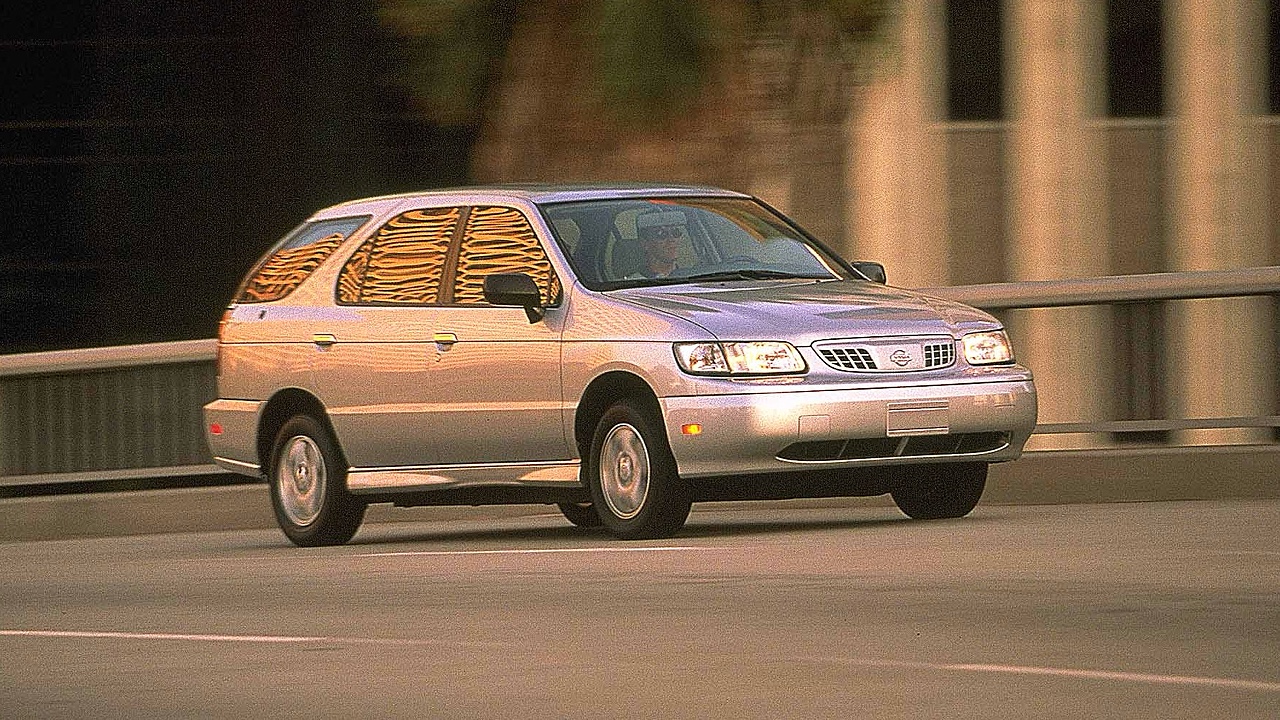
The Nissan Altra was one of the earliest electric vehicles, introduced in 1998. It boasted a range of about 100 miles per charge, which was impressive for its time.
While it paved the way for future EVs, it faced challenges in a market that wasn’t ready for electric cars. Production was limited, leading to its quick disappearance from the scene.
The Altra featured advanced lithium-ion batteries in its later model, marking a shift towards the technology used in modern electric vehicles. Still, it didn’t gain significant traction with consumers.
Sebring-Vanguard CitiCar
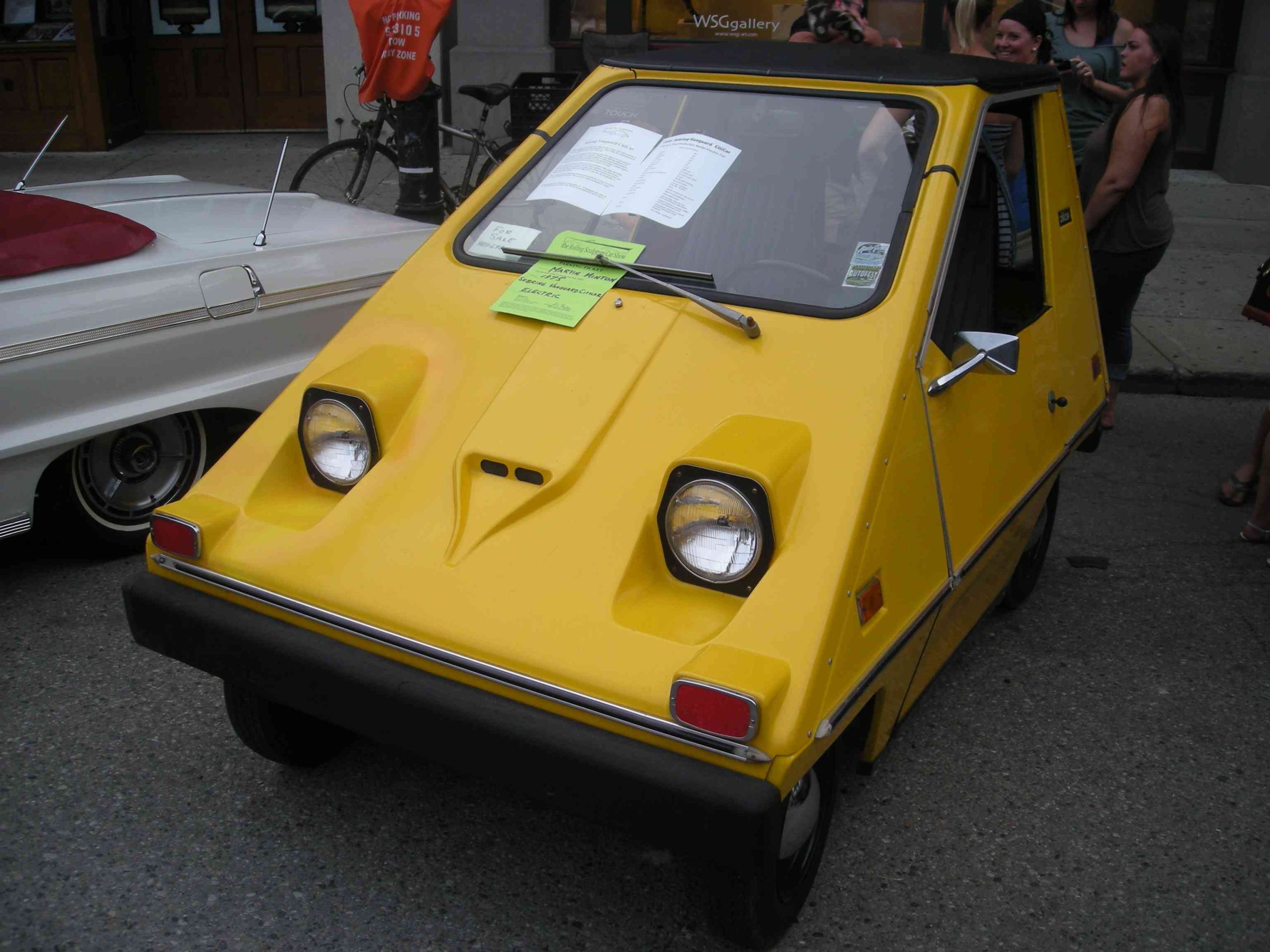
The Sebring-Vanguard CitiCar is a classic example of an electric vehicle failure. Produced between 1974 and 1977, it weighed only about 1,250 lbs but was powered by a mere 2.5 horsepower motor.
You’re looking at a design that’s often compared to a “cheese wedge,” and it definitely lacked performance.
Surprisingly, it was one of the best-selling electric cars in the U.S. until models like the Nissan Leaf and Tesla entered the market. Despite its innovative approach, the CitiCar never managed to shake off its reputation as one of the worst electric cars made.
You can find more about this unusual vehicle in articles like this one from CNET.
Toyota RAV-4 EV

The Toyota RAV-4 EV aimed to bring electric driving into the mainstream back in 1997. Only around 1,500 units were produced until 2003, making it pretty rare today.
This EV featured a range of about 100 miles, which was underwhelming compared to newer models. Many users reported issues with the speed sensor, leading to recalls for safety fixes.
Production halted primarily due to limited sales and the lack of charging infrastructure at the time. Today, it’s remembered more as a pioneer with its Tesla-made battery, rather than a successful electric vehicle.
Baker Electric
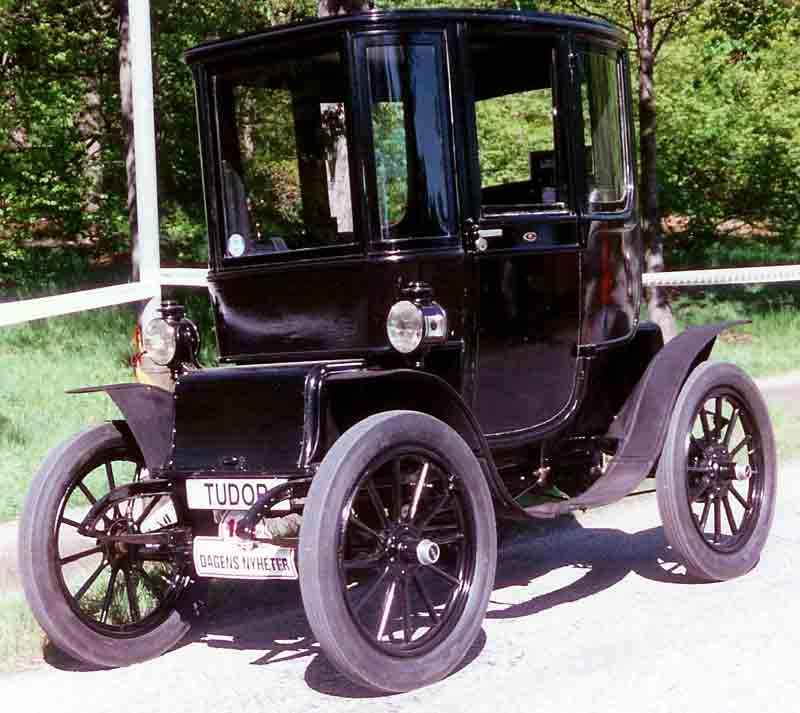
The Baker Electric was quite the head-turner back in its day. Introduced in 1899, this electric car was powered by lead-acid batteries and could go about 50 miles on a single charge.
With a top speed of 20 mph, it was easy to operate, making it a popular choice among luxury buyers. By 1915, the Baker Motor Vehicle Company had merged with Rauch & Lang, marking the end of its distinct brand.
Despite its historical significance, the Baker Electric isn’t widely remembered today. It represents an early attempt to create a practical electric vehicle, but it ultimately faded into obscurity.
Fisker Automotive
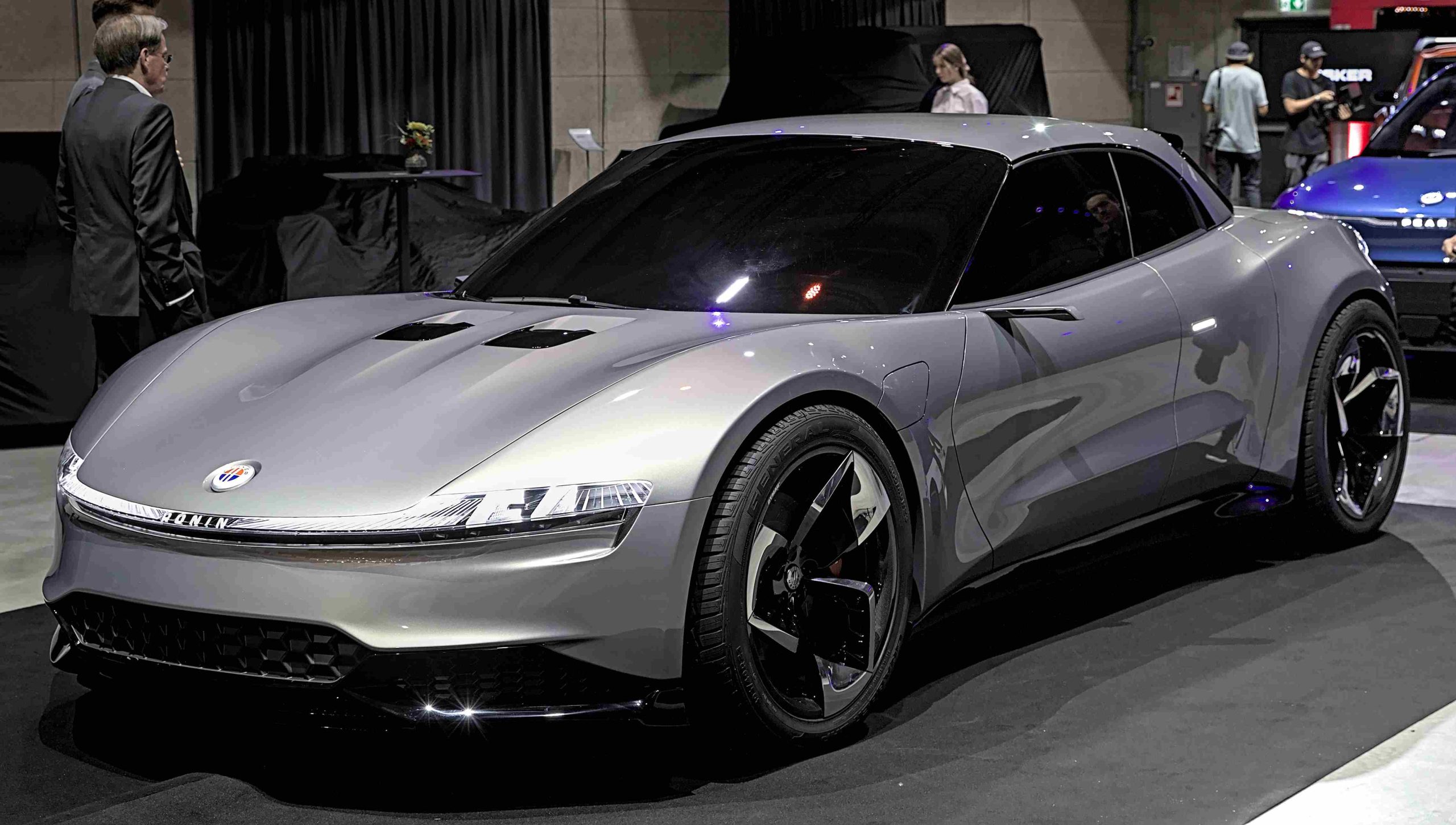
Fisker Automotive burst onto the scene with the Fisker Karma, an electric luxury sedan. Priced between $40,000 and $70,000, it promised high performance and eco-friendliness.
Sadly, production delays and missed deadlines plagued the Karma, leading to a halt in sales by 2012. By 2014, Fisker faced bankruptcy and shut down its servers, leaving many cars unusable.
The rise and fall of Fisker serves as a reminder that even with innovative ideas, execution is crucial in the auto industry. Today, its legacy is one of caution for future EV startups.
Better Place
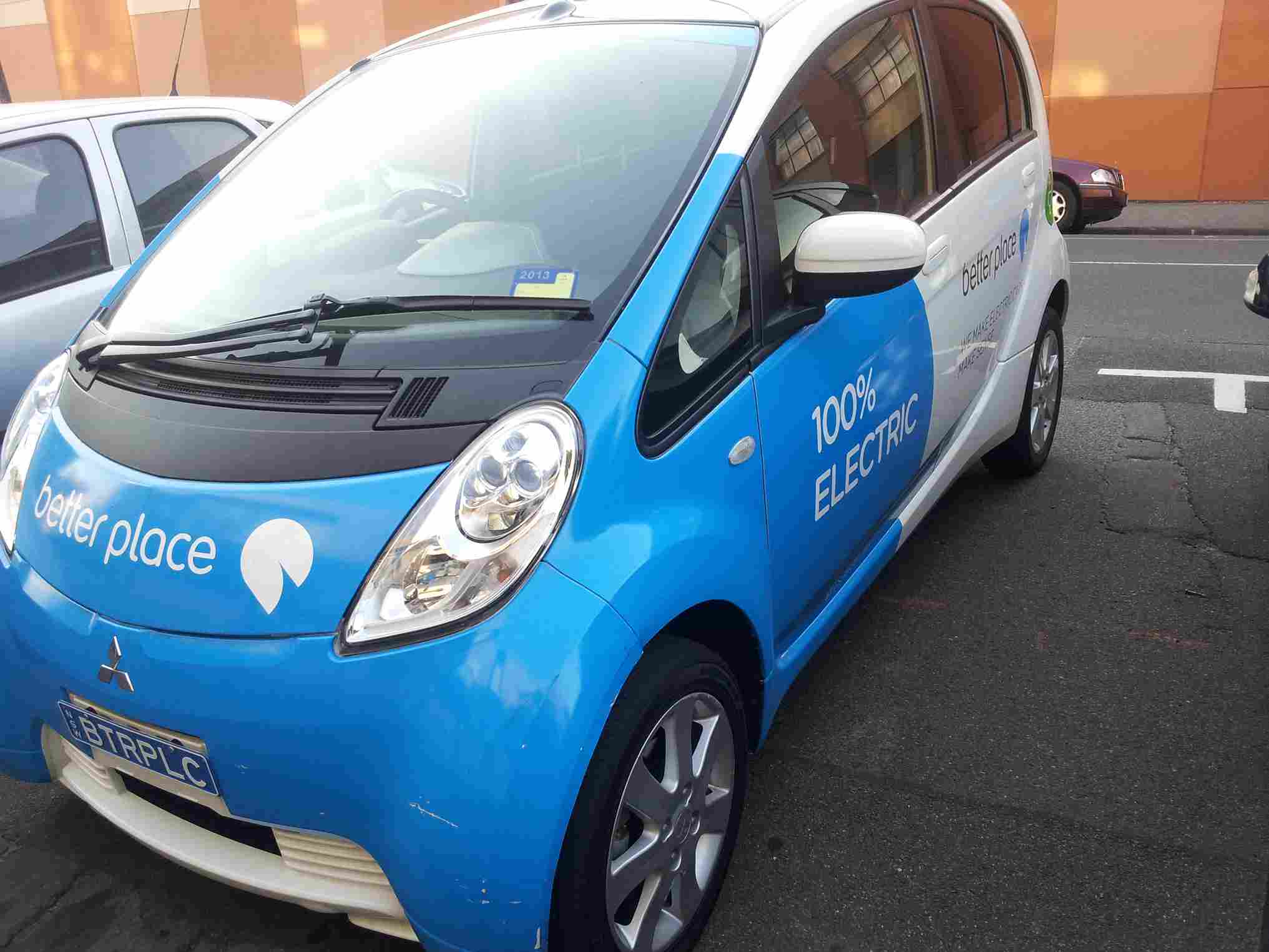
Better Place was an ambitious startup that aimed to change the way you think about electric cars. Founded in 2007, it focused on battery swapping technology and charging services.
Despite raising over $850 million, it struggled to gain traction. The company filed for bankruptcy just two years after launching its services.
You might have heard about their battery swap stations, which were supposed to make charging quick and easy. Unfortunately, the idea didn’t resonate enough with consumers, leading to its downfall.
Think Global
Think Global was a Norwegian electric car manufacturer that had big ambitions. Founded in 1999, they aimed to create eco-friendly vehicles under the TH!NK brand.
They launched the TH!NK City, a small electric car designed for urban driving. Despite some initial interest, the company struggled with production and funding.
By 2003, Think Global faced financial issues and filed for bankruptcy. The dream of a successful electric car from Norway didn’t quite pan out as they hoped. Ultimately, they highlight the challenges of breaking into the EV market.
DeLorean EV

The DeLorean EV, known as the Alpha5, was aimed to revitalize the iconic brand. This model showcases a sleek design reminiscent of the original DeLorean.
It promises impressive performance with a top speed of 155 mph and a range of around 300 miles on a full charge. While it has generated buzz, opinions vary about whether it can truly capture the spirit of the classic version.
Interestingly, some see it as more of a marketing gimmick than a true revival. You might think it’s a novel approach, but the legacy of the original DeLorean still looms large. For more details, check this article on CNET.
Faraday Future
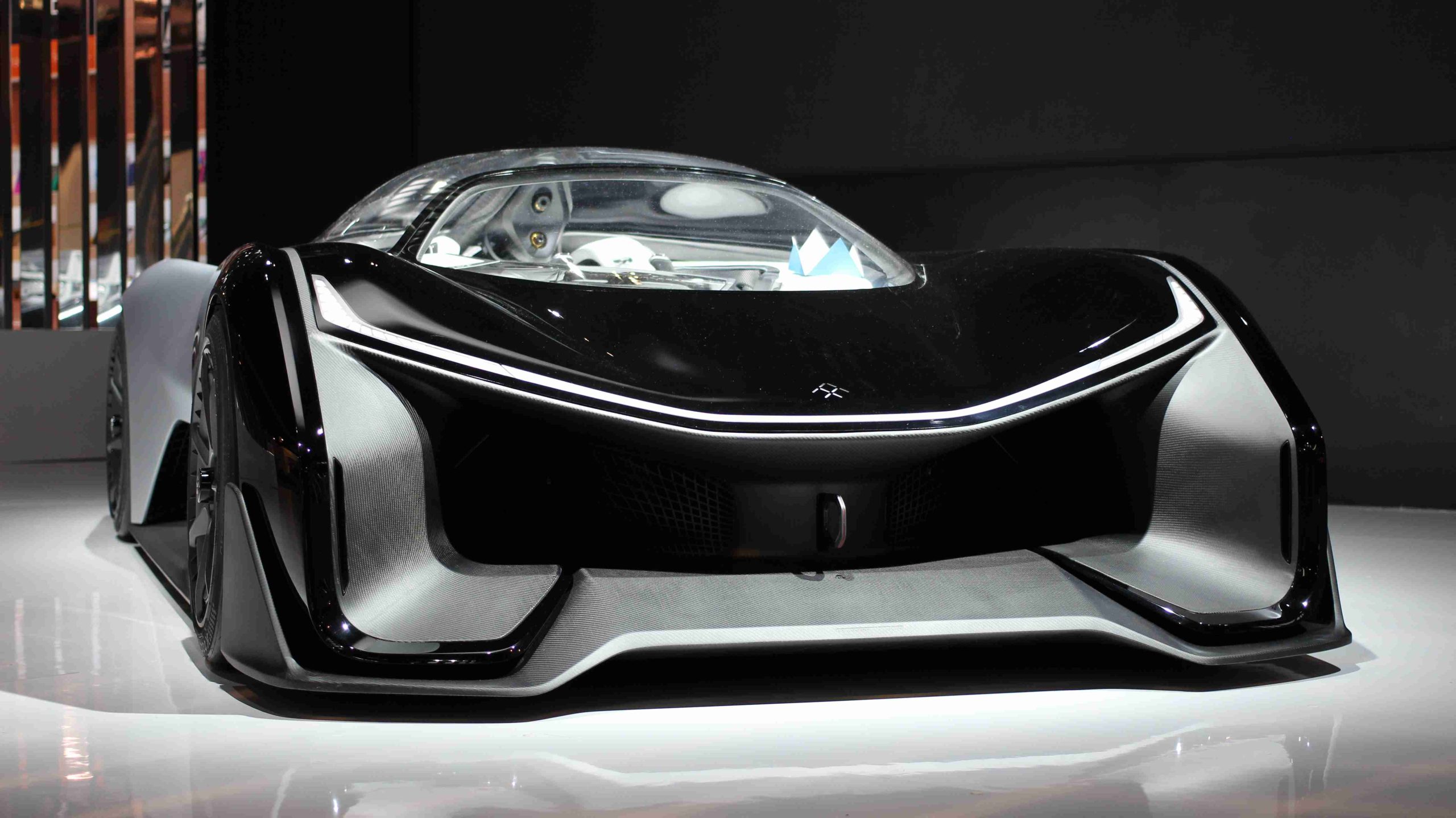
Faraday Future has been a significant player in the electric vehicle scene, but it has faced numerous challenges. Initially, the company aimed to revolutionize the market with its FF 91, showcasing a bold vision.
However, financial troubles plagued the organization. It even scrapped plans for a $1 billion manufacturing facility in Nevada. Investors grew skeptical as the company struggled to deliver on its promises.
The FF 91 encountered issues during high-profile events, including a malfunction when attempting to demonstrate self-parking features. Critics have labeled it as more of a dream than a reality, leading to questions about its future in the competitive EV market.
ZAP Electric Vehicles
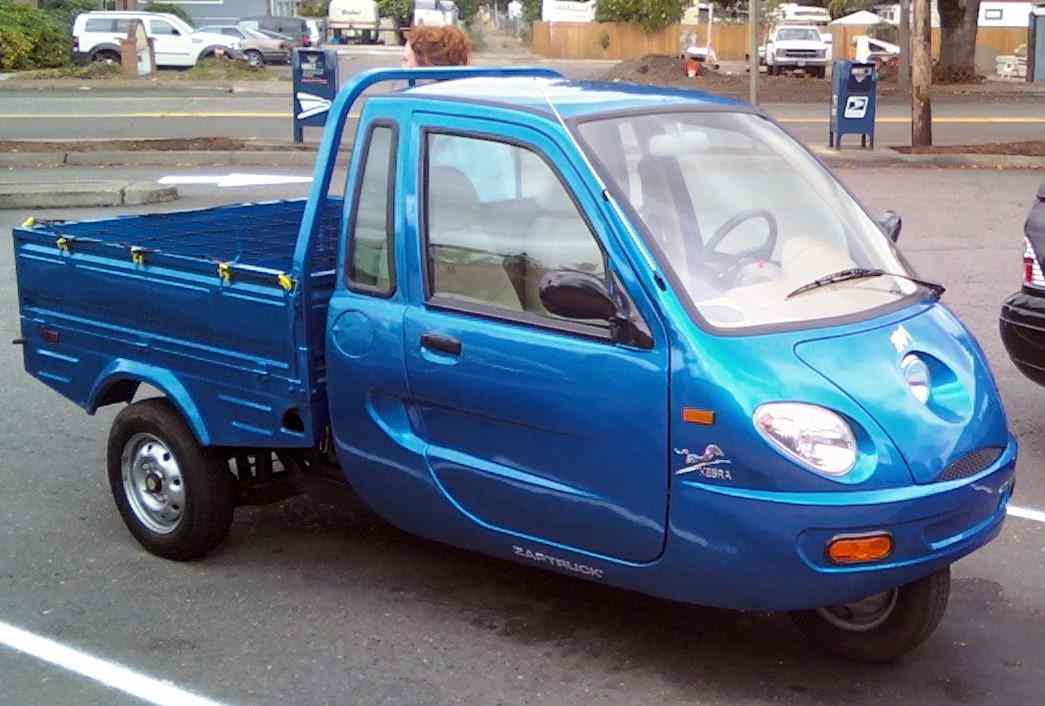
ZAP Electric Vehicles launched in the early 2000s, aiming to provide affordable electric options. It introduced models like the Zap Xebra, a three-wheeled vehicle that promised low-cost electric driving.
Despite the hype, the Xebra faced harsh criticism for its poor build quality and limited performance. Weighing just 1,200 pounds, it had a range of about 40 miles and a top speed of only 25 mph.
With its reputation damaged, ZAP struggled to compete in the growing EV market. Ultimately, many enthusiasts considered it a quirky relic rather than a serious player in electric mobility.