

They risk losing jobs, investment, and transport options when charging and manufacturing cluster elsewhere. Regions with weak charging networks, few local EV employers, and limited policy support fall behind as electric vehicles reshape supply chains and consumer choices.
That gap matters to anyone who lives or works in those places: commuting costs can rise, new businesses may skip town, and public services face higher retrofit bills. The article explains how infrastructure, industry presence, and policy decisions create those disparities and what that means for communities over the next decade.
Key Factors Behind Regional Disparities in Electric Vehicle Adoption
Regions differ sharply on charger density, local rules, purchase costs, and automaker sales strategies — these four points drive whether people can realistically buy and use an electric vehicle where they live.
Charging Infrastructure Gaps Between Urban and Rural Areas
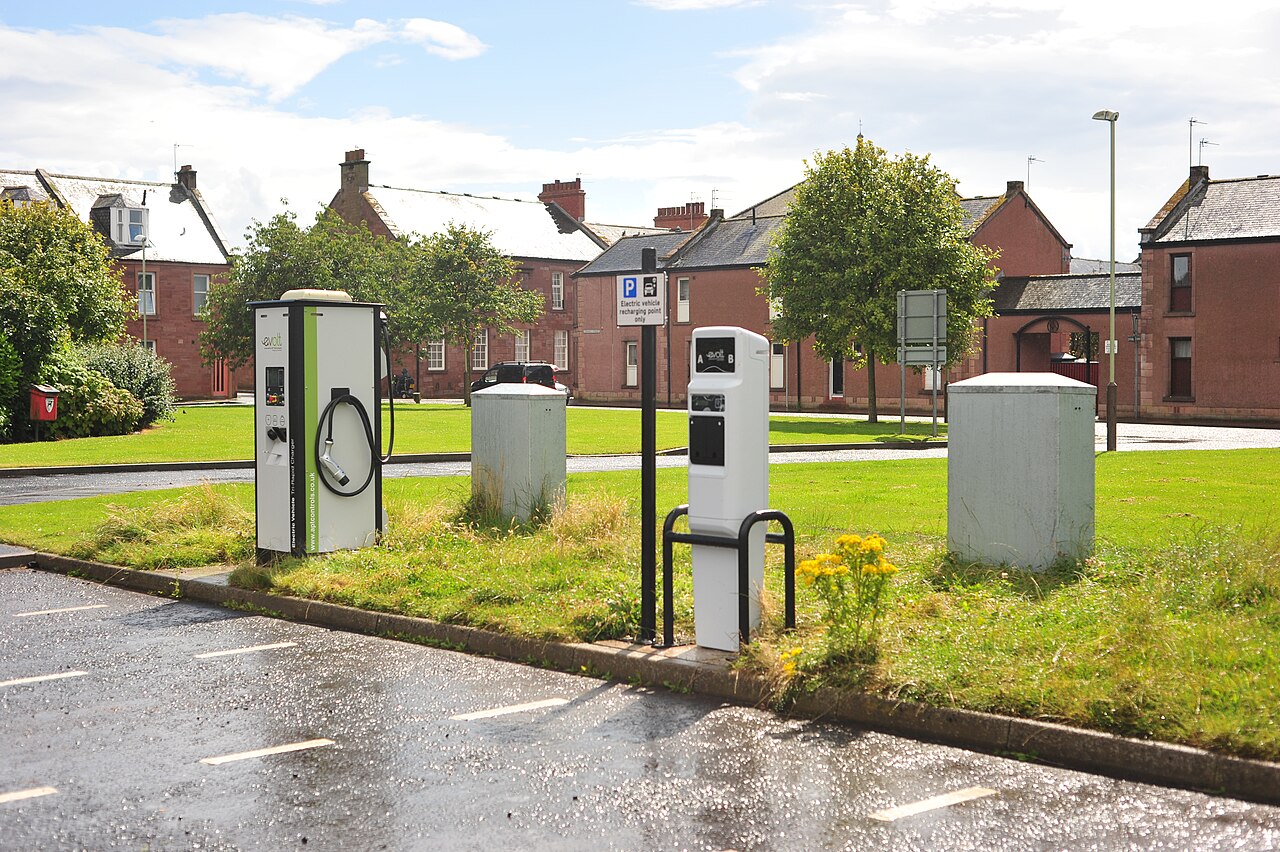
Public charging stations concentrate in cities and along major highways, leaving rural towns with long distances between chargers. That increases “range anxiety” for drivers who must travel 30–100 miles to reach a fast charger, making EV ownership impractical for many rural households.
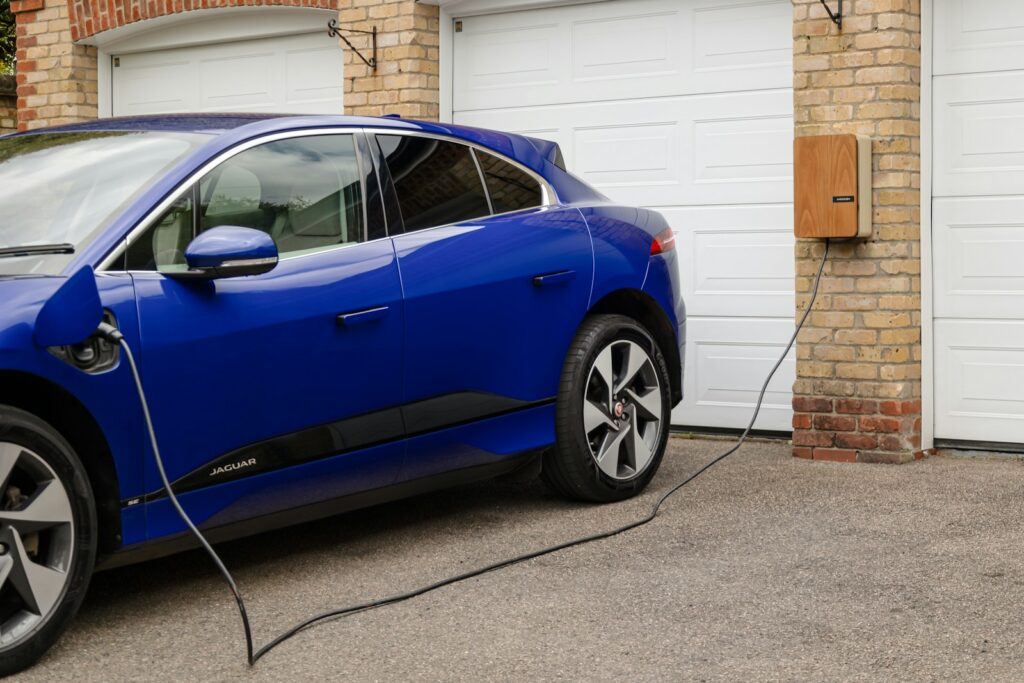
Multi-family dwellings and renters in suburbs also face limited access to overnight charging when they lack garage or dedicated parking chargers. Cities often get more fast chargers per capita because demand, permitting, and electricity upgrades are easier to coordinate there.
Deploying Level 2 and DC fast chargers near shopping centers, workplaces, and key rural corridors reduces travel gaps. Targeted public investment in chargers at county hubs and tribal lands helps close basic accessibility shortfalls.
Policy Changes and Their Local Impact
State and local policies shape charger rollout speed and location. Building codes that require EV-ready wiring in new construction increase home-charging options; absent those rules, apartments and older homes lag behind.
Incentives such as rebates for public chargers, permit streamlining, and utility rate designs encourage installations. Where local governments prioritize chargers near low-income neighborhoods or transit hubs, adoption rises faster among renters and multi-vehicle households.
Conversely, inconsistent permitting, weak zoning for curbside chargers, and limited utility upgrades stall projects. Clear targets and dedicated funding at the municipal or county level produce measurable increases in public charging availability.
Economic Incentives and Consumer Affordability
Upfront vehicle cost remains a major barrier. Tax credits, point-of-sale rebates, and dealer incentives reduce prices and spur purchases in higher-income areas first. Lower-income households often lack access to financing or dealer networks promoting EVs.
Cost of installing home chargers and electricity price differences also matter. For someone without a garage, the combined cost of workplace or public charging and travel time can exceed savings on fuel, undermining the business case for an EV.
Programs that subsidize charger installation at multi-family properties and targeted EV purchase incentives for low-income buyers improve equity. Without those measures, adoption clusters where residents can both afford new EVs and easily install chargers.
Role of Major Automakers in Regional EV Rollout
Automakers influence regional adoption through model availability, pricing, and dealer engagement. Tesla’s direct-sales model accelerated infrastructure alignment in many suburban and urban markets by coordinating Supercharger placement with demand.
Legacy manufacturers like Ford affect local uptake by deciding which EVs to offer in specific dealer networks and how aggressively they train reps to sell EVs. Limited inventory or long waitlists in some regions delays adoption even where chargers exist.
Automakers also partner on charging networks and incentives. Where manufacturers commit to regional marketing, stock allocation, and dealer EV servicing, consumers see faster adoption. Absent coordinated manufacturer support, some regions remain underserved despite public infrastructure investments.
Long-Term Implications for Regions Lagging in Electric Vehicle Transition
Regions that fall behind in EV adoption face concrete economic setbacks and widening environmental inequities. Those gaps affect jobs, tax revenue, health outcomes, and future resiliency in measurable ways.
Economic Risks and Missed Opportunities
Local car dealers, repair shops, and parts suppliers risk losing market share as EVs displace internal-combustion vehicles and require fewer routine mechanical services. Regions without charging networks will see fewer EV sales, which reduces state and local tax receipts from vehicle purchases and registration fees.
Investment follows demand. Areas lacking public fast chargers and workplace charging will attract fewer EV-related firms and slower deployment of battery and software supply chains. That reduces high-wage job creation in manufacturing and EV services. Tourism and freight routes also suffer when corridor charging gaps deter travelers and logistics companies from routing through those regions.
Municipalities may face higher infrastructure costs later. Retrofitting grid capacity and public parking for chargers becomes more expensive as demand spikes. Without early planning, regions miss grant opportunities tied to planned EV corridors and lose competitive leverage for federal funds like those supporting charging deployment.
Environmental Disparities and Equity Challenges
Lagging regions can continue to rely on older, higher-emission vehicle fleets longer, which sustains localized air pollution and associated health burdens such as asthma and cardiovascular disease. Communities near highways and industrial zones, often lower-income or rural, will disproportionately bear these impacts.
Limited charging in multi-unit housing and rural areas reduces EV access for renters and low-income households. That can widen transportation cost inequality because EVs typically offer lower operating costs over time but require up-front access to charging. Incentives and rebates concentrated in wealthier, urban areas worsen the disparity.
Grid upgrades and charging siting decisions that ignore low-income and rural areas lock in inequitable outcomes. Without targeted planning and subsidies, environmental benefits from electrification—reduced tailpipe emissions and improved local air quality—will remain unevenly distributed.
More from Steel Horse Rides: