
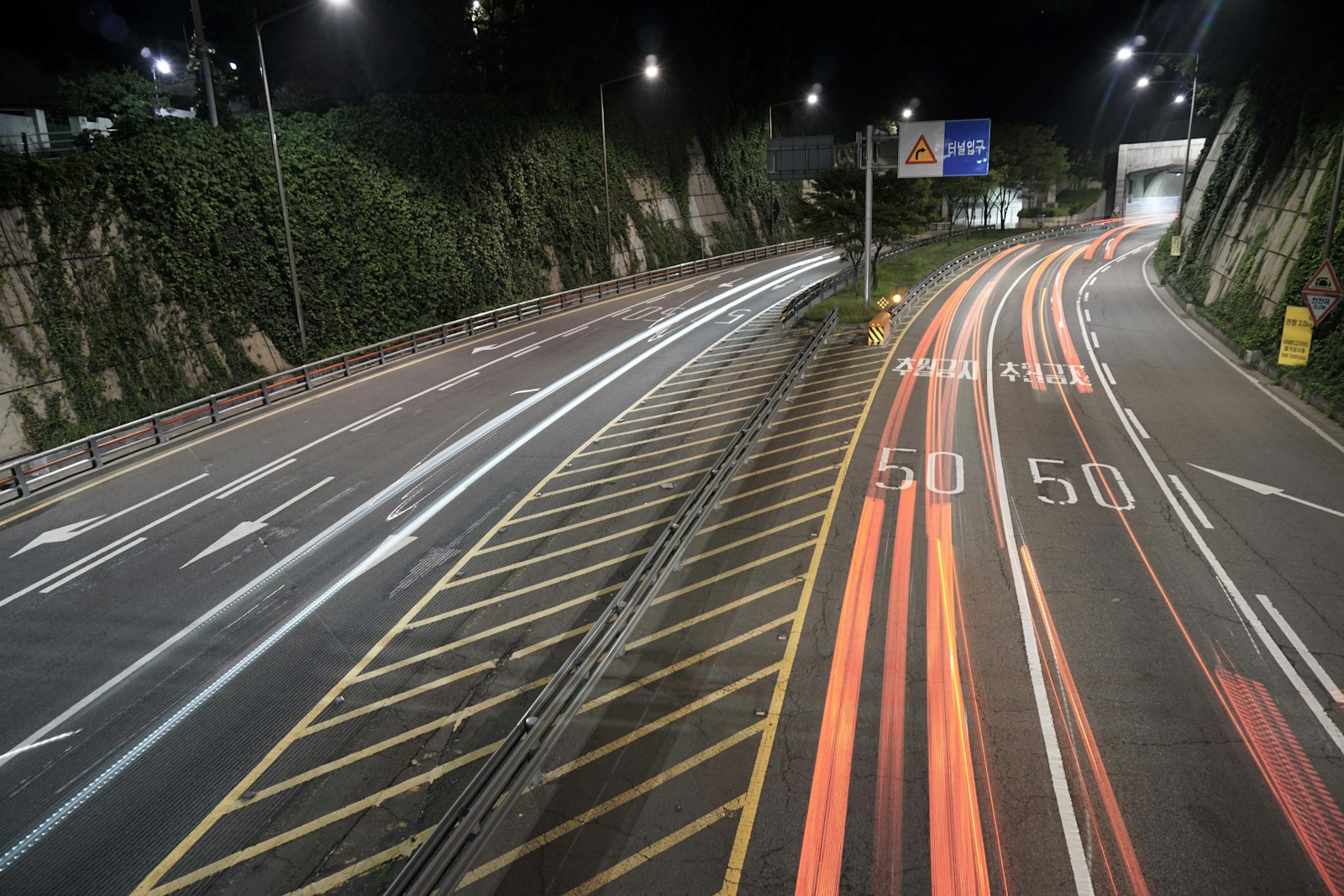

You spot new orange-and-white lane stripes and wonder if they actually change how people drive. Transportation officials say the patterns draw attention, narrow perceived lane space, and slow traffic on busy corridors — measures meant to cut crash risk where work zones and high speeds collide.
These colored striping patterns aim to make drivers more aware and naturally reduce speed, lowering the chance of collisions on high-risk stretches of road. The post will explain why agencies rolled out the design, what research and pilot projects informed the changes, and how the patterns work in practice so you can judge whether the markings really improve safety.
The Reason Behind New Lane Striping Patterns
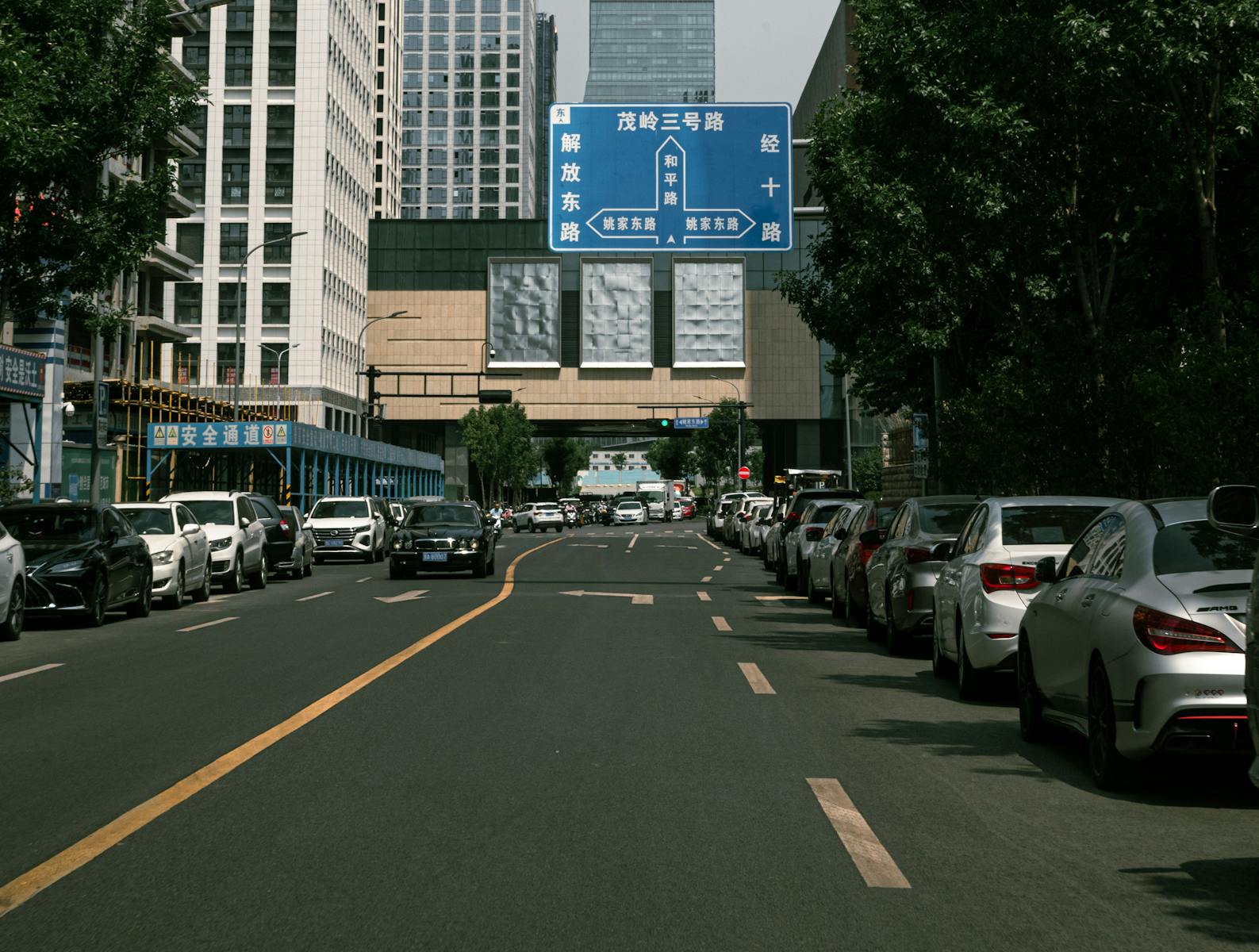
Officials aim to change how drivers perceive space and risk by altering pavement markings, using color and pattern to prompt slower speeds and tighter lane discipline.
How Striping Influences Driver Behavior
Transportation agencies use lane markings to cue drivers’ expectations and steering choices. When pavement markings change from continuous white lines to alternating short white and orange segments, drivers report greater awareness of work zones and tend to reduce speed. Caltrans piloted this on the 5 Freeway; observers and surveys noted measurable behavior shifts near the contrast striping.
Psychology matters: reduced visual “room” prompts drivers to center more precisely in a lane and to brake earlier for curves or slowdowns. That tighter positioning lowers lane departures and sideswipe risks on busy corridors. Pavement markings therefore act like low-cost traffic calming tools that influence real-world driving decisions.
Contrast Striping and Enhanced Visibility
Contrast striping — inserting orange segments between standard white lane lines — increases detectability, especially in low light or rain. Agencies such as the California Department of Transportation tested orange contrast striping in construction zones to make drivers more aware of lane transitions and barriers. Early pilot results have shown drivers notice the change and report slower speeds. See reporting on the San Diego pilot by the Work Zone Safety group.
Reflective materials and color placement matter. High-contrast patterns bounce back headlight illumination differently, improving lateral positioning judgments. That improved visibility reduces crash rates tied to missed lane edges and late lane changes, particularly where temporary alignments or barrier walls narrow the roadway.
Reducing Lane Widths for Safer Streets
Narrower lanes change driving behavior by making drivers feel the need to slow and steer more carefully. Converting a typical 12-foot lane to a slightly narrower stripe width or adding painted buffers can reduce effective lane width without reconstructing pavement. Transportation planners use this technique to lower speed and cut traffic fatalities on congested corridors.
Evidence links reduced lane widths to fewer severe crashes because smaller lateral clearance discourages risky weaving and high-speed passing. Pavement markings accomplish this by visually tightening the roadway; combined with contrast striping and clear pavement markings, they create a consistent cue that drivers should maintain lower speeds and steadier lane keeping.
Design Strategies for Safer, Slower Busy Corridors
Street layouts, lane widths, and the placement of bike lanes, medians, trees, and parking shape driver behavior and chance of crashes. Small geometric changes and resurfacing can reduce speeds to a safe target and improve visibility for people walking, biking, and using micromobility.
Street Design Elements That Calm Traffic
Narrowing travel lanes to 10–10.5 feet and adding a consistent curb-to-curb width gives drivers less room to speed and creates space for other uses. Physical lane narrowing can be achieved with curb extensions, painted buffer zones, or raised curbs. Introducing chicanes or lateral shifts forces drivers to steer deliberately, lowering speeds without relying on enforcement.
Surface treatments such as textured crossings or colored pavement signal a different driving environment and cue drivers to slow. Aligning street geometry with the intended target speed—through smaller corner radii at intersections and tighter sight lines—reduces high-speed turning crashes.
Integrating Bike Lanes and Pedestrian Crossings
Protected bike lanes separated by curbs, flex posts, or parked cars keep people cycling out of the main vehicle flow and reduce vehicle-bicycle conflicts. Where width limits preclude full protection, painted buffers plus parking-hour restrictions deliver a lower-cost safety gain. Designing bike lane entries and intersections with clear visibility triangles and advance stop bars prevents “right-hook” collisions.
Pedestrian crossings benefit from raised crosswalks, refuge islands, and reduced crossing distances achieved by curb extensions. Signal timing that includes a leading pedestrian interval and audible cues increases visibility and safety for all ages and abilities. Continuous sidewalks and clear ramp grading connect crossings to the built environment and encourage walking.
Impact of Medians, Trees, and Parking on Speeds
Center medians reduce conflict points and limit left-turn maneuvers that often cause severe crashes. Narrow continuous medians with pedestrian refuges shorten crossing distances and channelize movements. Street trees placed within a clear planting strip can psychologically narrow the roadway and encourage slower speeds, but placement must preserve sightlines and safe clear zones.
On-street parking acts as a buffer between moving traffic and sidewalks or bike lanes, lowering operating speeds by visually narrowing lanes. Managed parking (e.g., meter time limits) keeps spaces active and prevents wide curb-to-curb perceptions that invite speeding. Designers should balance parking needs with emergency access and curbside bike lane continuity.
Modernizing Streets With Resurfacing Projects
Resurfacing projects create low-disruption opportunities to reconfigure striping, add bike lanes, or install curb extensions without full reconstruction. Overlay projects can reduce lane widths, install new thermoplastic markings for crosswalks and bike lanes, and add high-friction surfaces at critical approaches to improve braking distance.
By combining resurfacing with updated pavement markings—such as continental crosswalks, colored bike lanes, and two-stage left-turn boxes—agencies can align the street with a safer target speed. Pavement-level changes should be coordinated with drainage and utilities to avoid future excavation that would remove safety investments.
More from Steel Horse Rides: