

Federal Ruling: Gas Station Gaming Machines Declared Illegal
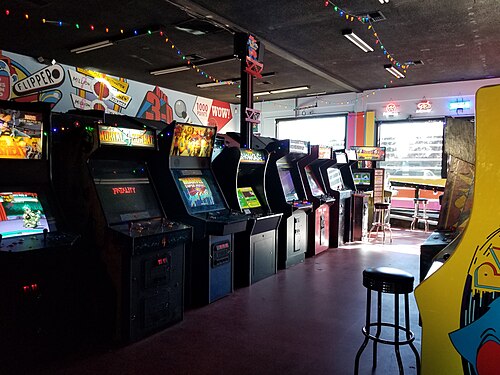
The court found that the countertop-style gaming terminals in convenience stores, bars and restaurants meet Missouri’s statutory definition of gambling devices and cannot lawfully operate outside licensed casinos. The decision references a prior jury finding and orders that operators and distributors face removal and possible penalties.
Key Facts from the Court Decision
The federal decision, issued by U.S. District Judge John A. Ross, declares the contested machines to be illegal gambling devices under Missouri law. The ruling stems from litigation over machines marketed as “no‑chance” or skill-based, which the court determined function as gambling devices when played outside a licensed casino.
Judge Ross issued a written declaratory judgment after reviewing a prior jury verdict that found one operator liable. The court emphasized statutory text and prior findings rather than policy arguments. The judgment directs remedies that can include removal of machines and civil liability for operators who persist.
Involvement of Torch Electronics and TNT Amusements
Torch Electronics features prominently as a major distributor of the machines at issue. The company supplied thousands of terminals to retail locations across Missouri and defended the legality of its product line. Torch maintains the devices comply with law and has signaled intent to appeal final judgments.
TNT Amusements brought claims against Torch, alleging competitive harm and that Torch’s representations misled the market. A prior federal jury awarded TNT $500,000, which the later ruling referenced when reaching a broader legal conclusion about the machines’ status under state law.
Role of the Jury Verdict and Judge John A. Ross
A federal jury previously concluded that Torch’s video gambling terminals were unlawful in their effect, awarding damages to TNT Amusements. Judge John A. Ross used that verdict as a factual foundation for his declaratory judgment, noting the jury’s findings supported statutory interpretation.
Ross explained that state-level adjudication had produced inconsistent outcomes and delay, prompting a federal declaration to resolve uncertainty. He limited his ruling to the legal question of whether the machines meet the statutory definition of gambling devices when operated outside licensed casinos.
Definition of Illegal Gambling Devices Under Missouri Law
Missouri law defines a gambling device by reference to chance-based play and payouts that depend on uncertain events. The court analyzed how the terminals accept wagers, produce randomized outcomes, and deliver prizes or credits, concluding those features align with statutory elements of a gambling device.
The opinion focused on machine function over marketing labels like “no‑chance.” Judge Ross assessed payout mechanics, user interaction, and operator control to determine that the terminals’ operation falls within established legal definitions, making them unlawful outside of authorized casino environments.
Immediate Consequences and Enforcement Measures
The ruling forces rapid removal of thousands of unregulated, slot-style machines and opens the door to fines, criminal referral, and broader enforcement across retail locations. State officials and prosecutors will have clear authority to seize devices, issue penalties, and pursue cases where operators resisted prior warnings.
Machine Removal and Penalties for Non-Compliance
Authorities can order immediate seizure of machines classified as illegal gambling devices. Stores that fail to comply with removal orders face civil fines and potential criminal charges if evidence shows intentional operation after notice.
The Attorney General, Catherine Hanaway, has pledged enforcement; that office can coordinate with local prosecutors to execute warrants and inventory devices. Businesses that profited from so-called “no chance” games risk restitution claims and forfeiture of revenue tied to the machines.
Enforcement will target both the physical units and the operators who serviced networks, including machine suppliers and payment processors. Records requests and subpoenas for transaction logs and communications are likely to support prosecutions.
Statewide Crackdown and Enforcement Actions
The Missouri Gaming Commission and the Attorney General can lead coordinated raids and compliance sweeps. Expect multi-jurisdiction task forces combining state investigators, county prosecutors, and local law enforcement to prioritize high-volume locations.
Regulators may publish lists of noncompliant businesses and issue industry guidance on what constitutes a legal device under state law. The decision also empowers consumer protection divisions to take civil actions related to deceptive practices tied to “prize viewer” mechanics and misleading advertising.
Public complaints and evidence of minors using machines will accelerate enforcement. Agencies can seek injunctive relief to keep devices offline while cases proceed, shortening the timeframe for permanent removal.
Impact on Convenience Stores and Businesses
Convenience stores that relied on gaming revenue face immediate cash-flow disruption and inventory loss. Independent operators will need to remove machines, disable payment interfaces, and potentially refund play credits or payouts tied to confiscated devices.
Franchisees and chain stores will confront contractual issues with vending operators and equipment suppliers. Some businesses may face landlord disputes where rent depended on supplemental income, and insurers will review coverage exclusions for illicit activity.
Smaller operators could see steep legal and accounting costs to comply, while larger chains may negotiate buyouts with machine vendors. Employee roles tied to machine maintenance or supervision will disappear, prompting operational adjustments.
Potential for New State-Run Video Lottery System
Lawmakers debating legalization could respond by drafting a controlled, state-run video lottery framework. A state-run system would centralize licensing, set age limits, and impose technical standards to prevent the unregulated spread of slot-style machines.
A regulated model could require certified hardware, revenue sharing with the state, and oversight by the Missouri Gaming Commission. Proposals may include consumer protections such as mandatory payout displays, anti-addiction messaging, and limits on machine placement to keep devices out of stores frequented by minors.
Transition plans would need to address disposition of seized machines, grandfathering rules, and pathways for current operators to apply for licenses or exit the market.
More from Steel Horse Rides: