

You want a practical, family-ready SUV guide that highlights which Japanese models consistently deliver reliability, space, and efficiency — and which popular choices may cause regret. This article shows which two Japanese SUVs families tend to love and which two commonly recommended models experts suggest you avoid, so you can make a smarter choice.
They’ll walk through key strengths like Toyota’s strong reliability reputation, hybrid efficiency, and roomy interiors, alongside why some popular models fall short for family needs. Expect clear, concise comparisons that help prioritize safety, comfort, and long-term ownership value.
Toyota Highlander
The Highlander blends roomy third-row seating with a calm, comfortable ride that many families appreciate. It offers a hybrid option for better fuel economy and modern safety tech.
Reviewers note its practical interior and Toyota’s reputation for reliability, though cargo space behind the third row is tight. Pricing for recent models starts in the mid-$40,000s for some trims.
See a detailed review and pricing on U.S. News for the 2026 Highlander.
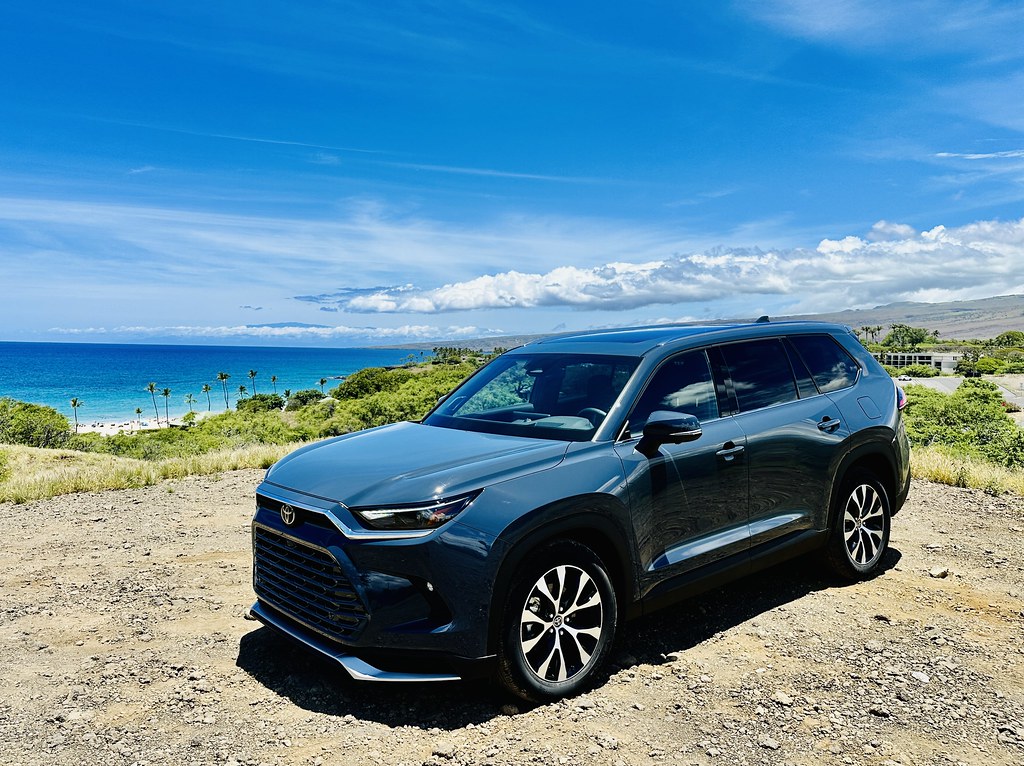
Toyota Grand Highlander Hybrid
The Grand Highlander Hybrid gives families three-row seating with unusually good fuel economy for its size. It pairs a roomy interior and large cargo space with predictable Toyota reliability.
Drivers will notice modest acceleration but strong efficiency, especially on highway runs. Tech and safety features are modern and aimed at family needs.
More detailed specs and reviews are available from outlets like Car and Driver and Toyota’s official pages.
Honda CR-V
The CR-V blends roomy seating and a quiet cabin, so families find daily drives comfortable. It offers hybrid options that improve fuel economy without sacrificing cargo space.
Tech and safety features come well-equipped on many trims, which appeals to parents who want convenience and peace of mind. Reviewers note the CR-V’s smooth ride and easy-to-use infotainment.
Compare detailed specs and reviews at Edmunds to see how it stacks up against rivals like the RAV4 and Sportage: https://www.edmunds.com/car-news/toyota-rav4-honda-crv-kia-sportage-hybrid-comparison-review.html
Subaru Outback
The Outback blends wagon comfort with SUV practicality, making it a favorite for families who value space and safety.
It now leans more SUV-like in styling and interior layout, offering updated tech and a roomier feel.
Buyers praise its available all-wheel drive and off-road capability, though those who want a sportier drive may look elsewhere.
U.S. News ranks it among notable midsize crossovers; reviewers highlight its reliability and family-friendly features.
Mazda CX-50
The CX-50 feels more rugged and driver-focused than Mazda’s CX-5, with a stiffer chassis and a design that leans into outdoor adventure. It offers lively handling and a premium interior that still keeps things simple and usable.
Families appreciate its safety ratings and cargo space, though some trims push the budget. Buyers wanting hybrid efficiency should compare options before committing.
See a detailed comparison at Mazda’s official CX-5 vs. CX-50 page: https://www.mazdausa.com/resource-center/cx-5-vs-cx-50
Nissan Rogue (to avoid)
The Rogue has been a top seller, but some model years carry known issues that raise repair and reliability concerns. Buyers should check specific year-by-year reports and owner complaints before committing.
Common warnings include transmission hiccups and electrical quirks that can lead to costly visits to the shop. A careful used-car inspection and a vehicle history check can avoid the worst surprises.
Researching which Rogue years to steer clear of helps families find a more dependable alternative. For details on problematic years and safer choices, consult a model-year guide like the Nissan Rogue years to avoid article.
Mitsubishi Outlander (to avoid)
Many reviewers note the Outlander’s low starting price, but initial savings don’t always hold up over time. Some model years had reliability complaints and higher repair rates, which can erode the value buyers expect.
Its interior and tech can feel dated compared with rivals, and certain older trims lacked refinement. Buyers seeking long-term dependability often prefer alternatives with stronger reliability records, like those highlighted by industry reviews.
High reliability of Toyota SUVs
Toyota SUVs earn praise for long-term durability and low ownership costs. Owners often report high mileage with fewer major repairs, which keeps resale values strong.
Industry rankings back that reputation; many Toyota models appear on lists of most reliable Japanese SUVs. The 2026 Highlander and RAV4 examples show Toyota’s continued focus on dependable design and conservative engineering.
Spacious interiors in Honda CR-V
The CR‑V gives families roomy seating for five with notable headroom and legroom in both rows.
Its minimalist cabin feels open, and the seats support longer drives without fuss.
Cargo space ranks high among compact SUVs, with a low lift-over height and a flat load floor for bulky items.
Reviews note practical storage cubbies and flexible rear-seat folding for weekend gear or stroller space.
Learn more about interior dimensions and features at U.S. News’ CR‑V interior page (2026 Honda CR‑V Interior, Cargo Space & Seating).
Hybrid efficiency of Grand Highlander
The Grand Highlander hybrid delivers notable fuel economy for a three-row SUV, often returning mid-30s mpg in combined figures for FWD models. Reviewers praise its balance of efficiency and everyday practicality without dramatic compromises to comfort.
It pairs roomy seating and large cargo space with hybrid systems tuned for steady, predictable efficiency. Drivers report long range between fill-ups, making it attractive for families who value lower fuel costs.