

You want a car that spends more time on the road and less time in the shop, and this article shows which automakers pros say cause the fewest headaches. Mechanics and repair shops point to specific brands and models that consistently need fewer repairs, helping you choose a more dependable vehicle.
They’ll walk through why certain makers earn praise for reliability, how customer experiences and repair-data line up, and what to watch for when shopping or keeping a car. Expect practical takeaways that make it easier to pick a low-maintenance ride.
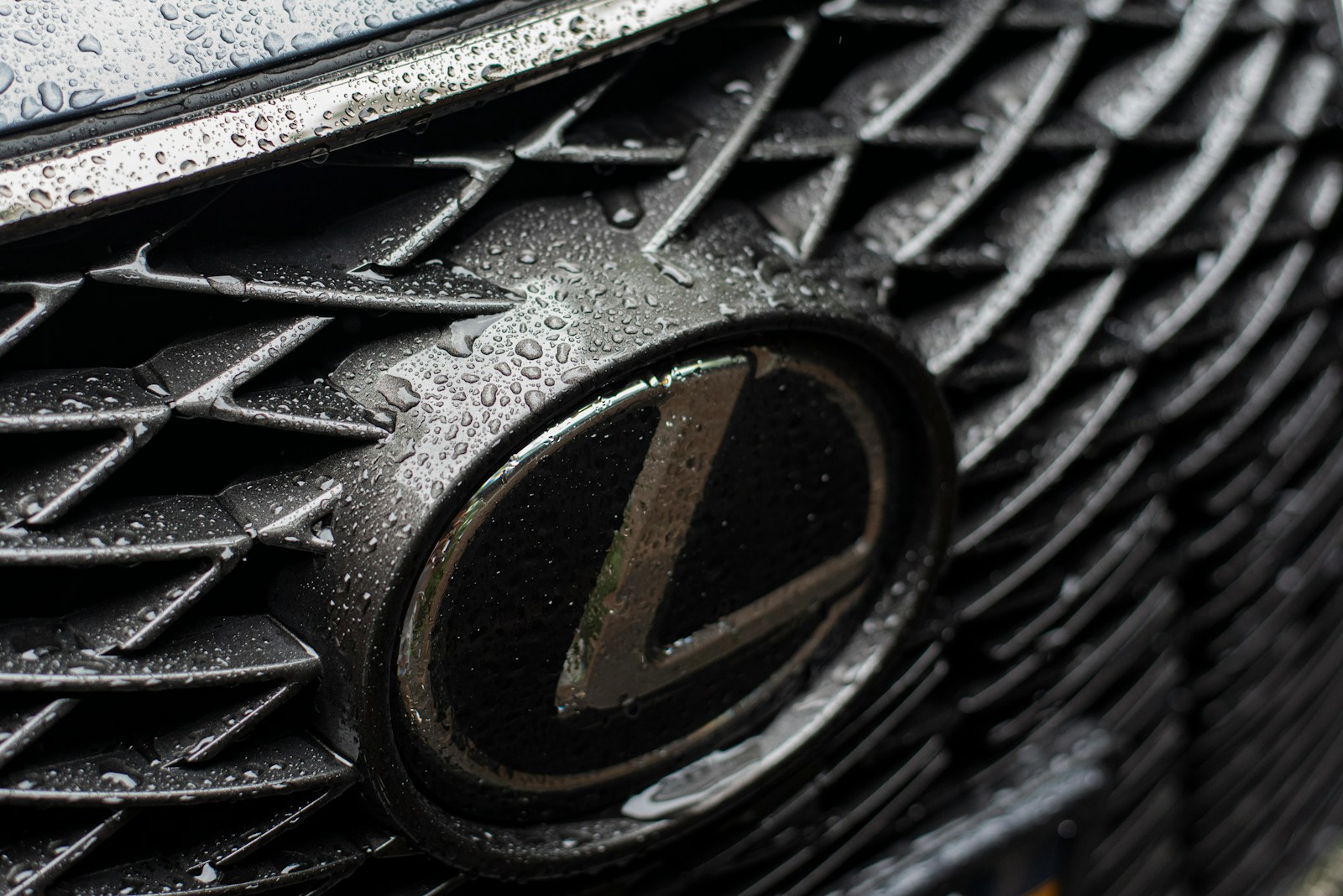
Lexus tops the list for reliability and fewest repairs
They consistently report low problem rates and short shop visits compared with many competitors. Owners and technicians point to durable engineering and conservative updates as reasons.
Repair bills tend to be lower and warranty claims rarer, which helps keep running costs predictable. Recent dependability studies also place Lexus at or near the top of premium-brand rankings, reinforcing that reputation.
Buick earns praise for consistent performance
Technicians note Buick models return fewer repeat repairs, which keeps shop time predictable.
J.D. Power placed Buick near the top in dependability, with strong marks among mass-market brands (see Buick’s ranking).
Owners report lower-than-average minor issues and solid dealer support.
That combination reduces day-to-day hassles and repair surprises for many drivers.
Mazda drivers report fewer breakdowns
Mechanics and surveys repeatedly note that Mazda owners tend to face fewer mechanical failures. Their SkyActiv engines and simpler non-turbo setups often mean lower repair frequency and shorter shop visits.
Drivers report fewer electrical and engine issues as mileage rises, and Consumer Reports places Mazda near the top for late-model reliability. See Consumer Reports’ analysis for more on Mazda dependability (https://www.consumerreports.org/cars/car-reliability-owner-satisfaction/who-makes-the-most-reliable-cars-a7824554938/).
Toyota remains a solid choice for low maintenance
They keep showing up in repair-cost studies because routine expenses stay low and unscheduled repairs are less common.
Many models, like the Camry, have reputations for long-lasting engines and strong resale value, which helps owners avoid big bills later.
Independent mechanics often praise Toyota’s simple engineering and widespread parts availability.
For a detailed look at model-level maintenance costs, see this breakdown of Toyota maintenance rankings and costs.
Honda’s reputation holds strong with minimal issues
They earn praise from shops for solid engineering and predictable repairs.
Technicians note routine maintenance usually resolves most problems quickly.
Many models like the Civic and Accord regularly reach high mileage with few surprises.
Recent reliability reports still place Honda among dependable brands, though competitors sometimes edge ahead.
Subaru owners enjoy dependable rides
Technicians often praise Subaru for consistent engineering and straightforward repairs that cut shop time.
Several Consumer Reports rankings show Subaru near the top for brand reliability, with models like the Forester and Impreza noted for low trouble rates (see reliability details).
Drivers report modest repair costs and long-lasting components.
That combination keeps many owners returning to Subaru for their next vehicle.
Hyundai offers great value with reliability
Hyundai often balances low ownership costs with long warranties, which keeps repair surprises down.
Many reviewers note models like the Santa Fe and Tucson score well on dependability lists.
Drivers get modern features without premium-brand prices, improving perceived value.
Money named Hyundai its 2025 Best Brand for the Money, reflecting that mix of price and quality (https://www.msn.com/en-us/autos/buying/money-s-best-automaker-for-the-money-2025-hyundai/ar-AA1vFJ0T).
Kia impresses with improved durability
Technicians note Kia’s durability has climbed steadily in recent years. Many models now show fewer mechanical surprises during routine service.
Owners report lower annual maintenance costs and higher satisfaction, which aligns with industry dependability wins. J.D. Power recognition and coverage of Kia’s reliability gains reinforce those impressions.
Ford has made strides in recent dependability reports
They improved their ranking in the 2025 J.D. Power U.S. Vehicle Dependability Study, moving up notably from 2024. This reflects fewer problems per 100 vehicles reported by original owners.
Technological updates and quality control changes likely helped, especially on popular models. Dealers and technicians also report more consistent warranty trends.
Readers can see details in the 2025 J.D. Power U.S. Vehicle Dependability Study.
Chevrolet shows better reliability than before
They’ve improved build quality and fixed many recurring issues that frustrated owners a few years back.
J.D. Power’s 2025 dependability results highlight several Chevy models ranking near the top of their segments, which reflects steadier long-term performance (see the J.D. Power coverage).
Routine problems now lean toward infotainment quirks rather than major mechanical failures.
Owners still should check model-year notes and maintenance history before buying used cars.