

You might think a shiny badge or cutting-edge tech guarantees lasting value, but many cars fall far faster than owners expect. This article shows which models lose value quickly and why that matters when you buy or sell.
They will explore factors like luxury-market trends, electric-vehicle quirks, and shifting buyer preferences to help you spot risky purchases. Expect clear examples and practical takeaways so you can protect your wallet when the time comes to trade or sell.
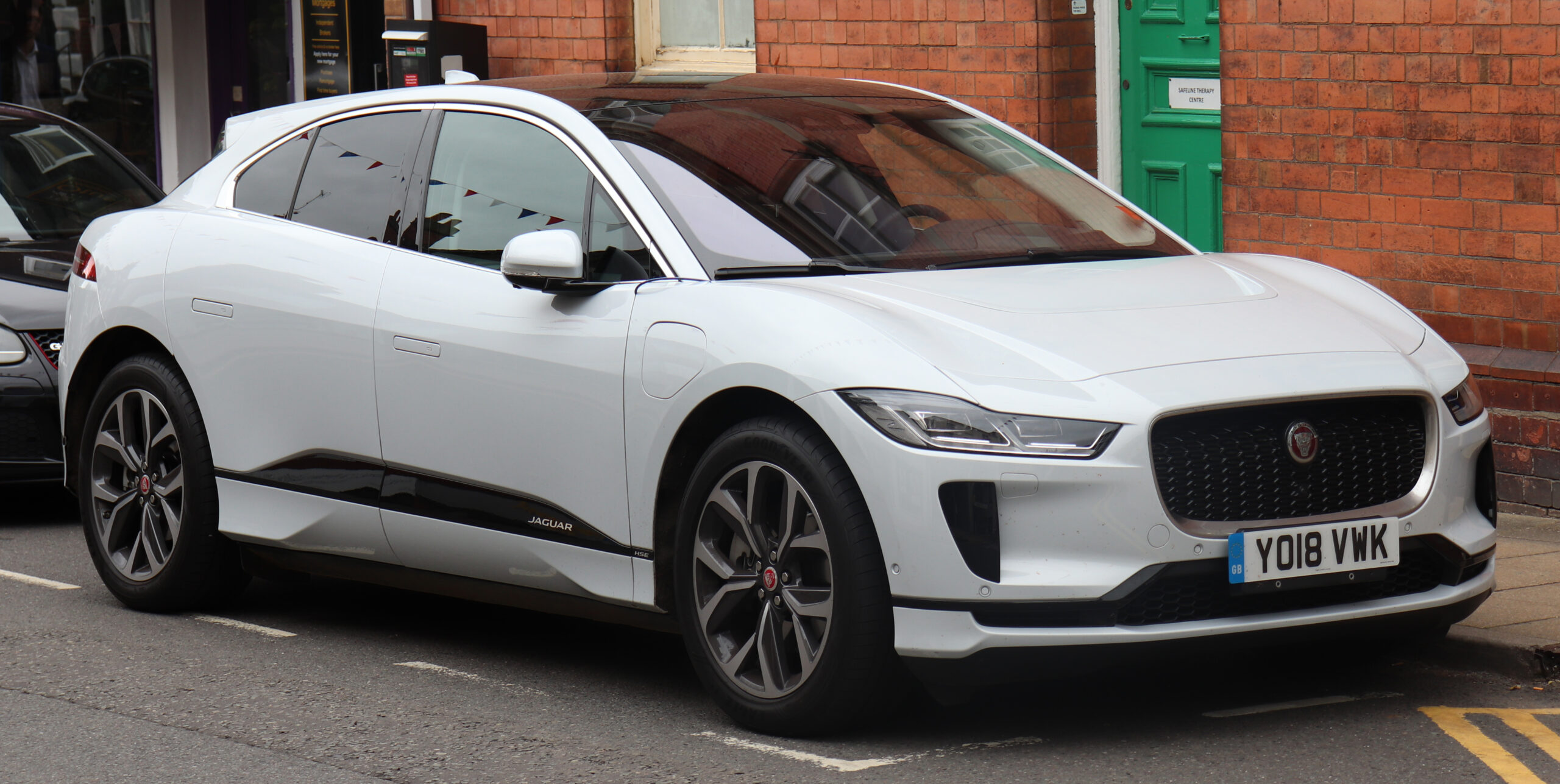
Jaguar i-Pace
The Jaguar i-Pace falls victim to steep depreciation, losing roughly 72% of its value over five years according to recent analyses. Buyers praise its performance and design, but resale suffers from rapid EV tech turnover and battery-related concerns. Market demand for older luxury EVs has lagged, which pushes used prices down. For shoppers who prioritize long-term value, the i-Pace may be a risky choice compared with more stable alternatives like certain gasoline or hybrid models.
BMW 7 Series
The 7 Series often drops steeply in value, especially in the first year, sometimes losing around 30% early on. Buyers face high running and tech-upgrade costs that push more owners to sell.
Its rapid tech turnover and luxury-market shifts make used examples plentiful and prices soft. A recent study noted near‑30% first‑year loss for the model line, which shocks some buyers.
Audi A8
The Audi A8 loses value quicker than many expect, especially in its first five years. Luxury tech and high maintenance costs accelerate depreciation.
Buyers often pay a premium for comfort and features that age fast. Reports show the A8 can drop nearly half its value within five years, depending on trim and mileage (see Audi A8 depreciation details).
Mercedes-Benz S-Class
The S‑Class sells on prestige but often drops steeply in value after a few years. Buyers see heavy depreciation driven by rapid tech turnover and high ownership costs.
They’ll find resale numbers showing around a 40% loss in three years and over 70% by seven, depending on trim and market. Check detailed resale figures like those for the S‑Class before buying to set realistic expectations.
Tesla Model S
The Model S has seen steep used-market declines, with some reports showing large five-year losses. Buyers who once paid a premium now find plenty of cheaper examples available.
Factors include rapid price cuts, high supply of trade-ins, and shifting demand toward newer SUVs and affordable EVs. For more on recent depreciation trends, see this Carscoops roundup of fast-depreciating used cars.
Cadillac Escalade
The Escalade grabs attention but loses value quickly compared with many rivals. Studies show heavy depreciation in the first five years, often due to fleet sales and rapid tech turnover; buyers can save by buying used.
Its size, luxury features, and costly options mean repairs and updates hit resale price. For detailed depreciation numbers, see Cadillac Escalade depreciation analysis (https://caredge.com/cadillac/escalade/depreciation).
Range Rover Vogue
The Range Rover Vogue starts life as a high-end luxury SUV, but it can shed value quickly in early years. Buyers cite high maintenance costs and rapid tech turnover as reasons resale drops, and forum discussions predict further declines for some recent models (see resale forecasts). Proper maintenance and service records help, but depreciation remains a frequent concern for prospective owners.
Toyota Prius Prime
The Prius Prime appeals to buyers with strong fuel economy and low running costs. It still loses notable value, around a mid-30s percentage after five years, depending on trim and miles.
Owners often see faster depreciation than non-plug-in hybrids because newer EVs and PHEVs shift demand. Check current resale listings and tools like CarEdge for specific five-year estimates before buying.
Chevrolet Bolt EV
The Bolt EV has shown steep depreciation, sometimes dropping over 40% in a few years, which surprises many buyers. Market shifts and rapid EV tech improvements contribute to those losses.
Used Bolts can still offer strong value for drivers focused on low operating costs and range. For context on depreciation trends, see this analysis of EV value declines (https://www.cnbc.com/2025/10/20/ev-value-price-gas-cars.html).
Ford Fusion Hybrid
The Fusion Hybrid often loses value faster than buyers expect, partly because sedans dropped in demand while SUVs rose.
Its three-year depreciation can approach the high end reported for similar hybrids, which surprises some shoppers.
Buyers should check used pricing trends and factor in trim, mileage, and battery condition before committing.
CarEdge offers model-specific depreciation data that helps compare expected resale outcomes.