

You want a car that keeps running without constant trips to the shop, and this article shows which models earn that trust over a decade of ownership. Mechanics who spend their days under hoods point to patterns of durable engineering and straightforward maintenance that help certain vehicles stay on the road longer.
You’ll learn which models consistently prove low-maintenance and why mechanics rarely see them back for major repairs. The piece will walk through dependable sedans, SUVs, and trucks so you can spot long-lived options before you shop.
Toyota Corolla
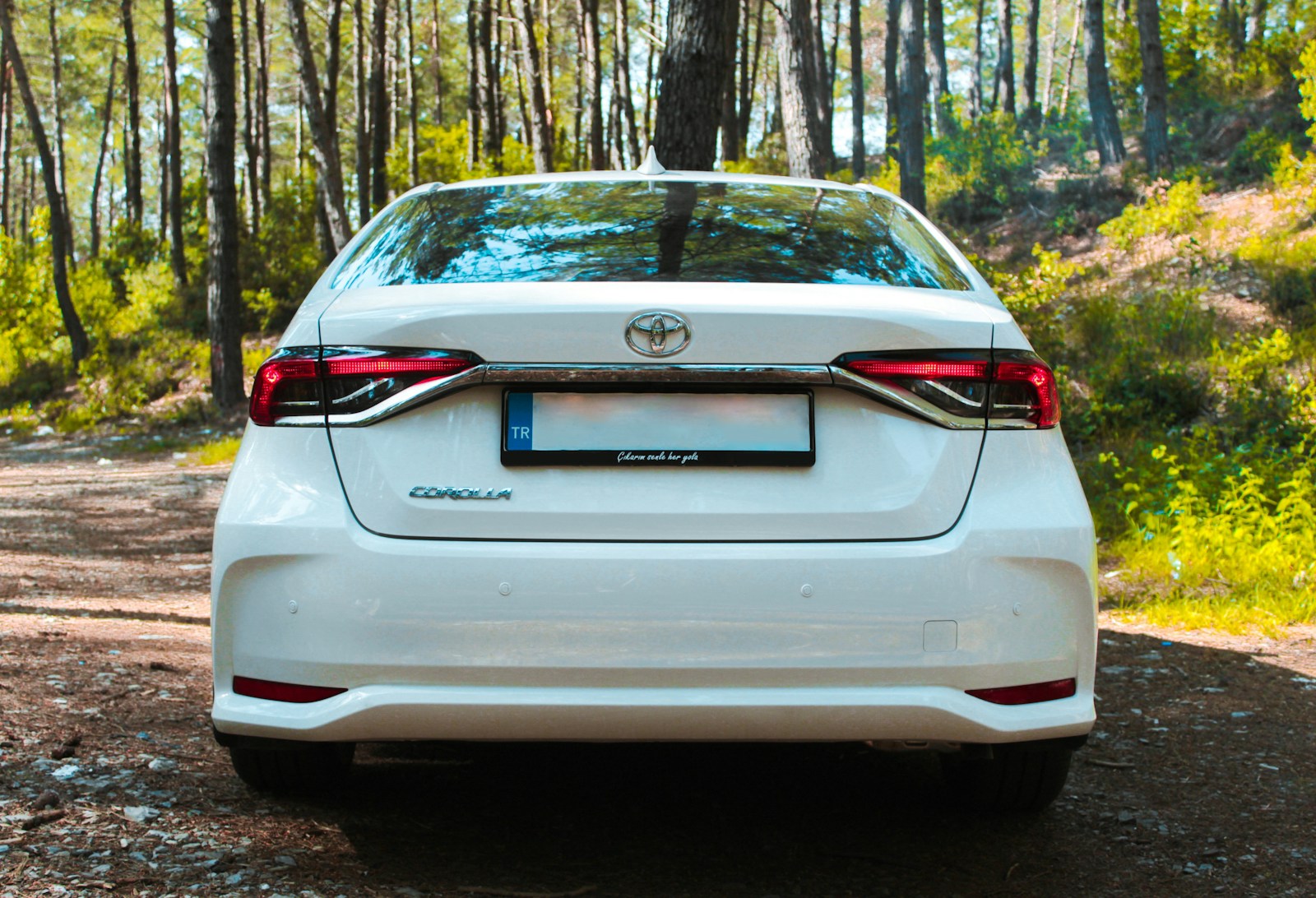
The Corolla is known for simple engineering and predictable longevity. Owners often report cars hitting high mileage with only routine maintenance.
Parts stay affordable and widely available, which keeps repair bills low. Mechanics note failures tend to be familiar, not mysterious, so fixes are straightforward.
Its conservative design favors reliability over flair. That combination explains why many Corollas rarely visit the repair bay even after a decade on the road.
Honda Civic
The Civic earns praise for simple, well-tested engineering that helps it run reliably past 10 years with routine care.
Owners often report only basic maintenance trips for oil, brakes, and tires rather than major repairs.
Its fuel-efficient engines and widely available parts keep service costs low.
Mechanics note that smart upkeep—timely fluids and belts—extends its life without drama.
For more on why mechanics praise the Civic’s longevity, see this piece on cars that rarely visit the repair shop.
Lexus RX
The Lexus RX earns praise from mechanics for lasting many years with few major repairs. Owners report durable interiors and electronics that hold up better than rivals.
Hybrids like the RX 350h stretch fuel economy and often hit high mileage before serious issues, with some estimates showing strong longevity and resale retention.
Its reputation comes from consistent maintenance needs and steady performance, which keeps it out of shops more often than most luxury crossovers.
Subaru Outback
The Outback earns praise for dependable everyday use and long highway miles with fewer shop visits. Owners note routine maintenance keeps them running, but some repairs—especially CVT-related—benefit from a Subaru-trained technician.
Independent shops handle many services well, though forums recommend a Subaru specialist for complex jobs to avoid problems down the road. For local dealer service experiences and comparisons, readers often consult community discussions and dealer rankings.
Mazda CX-5
The CX-5 earns praise for consistent, low-maintenance ownership and solid long-term durability. Owners and mechanics often cite the compact crossover’s reliable drivetrain and straightforward service needs.
Some model years have specific quirks, so checking year-by-year notes helps avoid surprises. For a deeper look at common issues and which years to watch, see this Mazda CX-5 reliability guide.
Toyota Camry
The Camry often spends more time on the road than in the shop, praised for durable engines and simple repairs.
Owners report steady performance even past 150,000 miles when basic maintenance stays current.
Its parts are common and affordable, which shortens repair time and lowers costs.
Mechanics frequently point to the Camry as a model that rarely requires major interventions.
For more context on vehicles mechanics rarely see, see a list highlighting reliable models like the Camry (https://driversdrift.com/vehicles-likely-to-spend-the-least-time-at-the-autoshop/).
Honda Accord
The Accord earns a reputation for longevity through simple, well‑engineered systems that resist common failures. Owners often report routine maintenance—oil, brakes, tires—rather than major repairs, even past 150,000 miles.
It balances comfortable daily driving with parts availability and wide mechanic familiarity. That combination keeps many Accords on the road for a decade or more without frequent shop visits.
Hyundai Elantra
The Elantra earns praise for predictable maintenance and generally durable powertrains across recent generations.
Owners report routine services—oil, brakes, tires—cover most needs, so it rarely needs unscheduled shop time.
Mechanics point to improved engines and long warranties as reasons it stays out of repair bays.
For details on how the Elantra compares with other low-maintenance models, see reporting on brands mechanics recommend avoiding or favoring (MSN).
Ford F-150
The F-150 often shows up on lists of trucks that rarely need major shop visits, especially in models with simpler powertrains and conservative use. Owners and independent shops praise its durable chassis and widely available parts, which keep many repairs quick and affordable.
Some model years still attract complaints about electronics and recalls, so consistent maintenance matters. For owners who follow service intervals, the F-150 frequently stays on the road for years without heavy shop time; mechanics note that routine care makes the biggest difference.
Chevrolet Silverado
The Silverado earns a reputation for toughness, especially older GMT800 and early-2000s models that tolerate heavy use. Mechanics note simple, serviceable components that cut down routine repair time.
Owners who maintain fluid and filter schedules see these trucks run reliably for years. For specific decades that rarely need major work, watch insights from a long-time shop owner who’s worked on thousands of Silverados (video).