

They shrug off a warning light and carry on—but one brief blink can signal a problem that gets much worse fast. Mechanics warn that ignoring certain dashboard alerts can let overheating or oil-pressure issues escalate into catastrophic engine damage, costly repairs, or sudden breakdowns that leave someone stranded.
Acting the moment a warning light appears can prevent warped heads, blown gaskets, or a seized engine and save thousands in repair bills. The next sections break down what actually happens inside the engine when warnings go unheeded and highlight the specific lights that demand immediate attention so someone can decide what to do next.
What Really Happens When You Ignore a Dashboard Warning Light
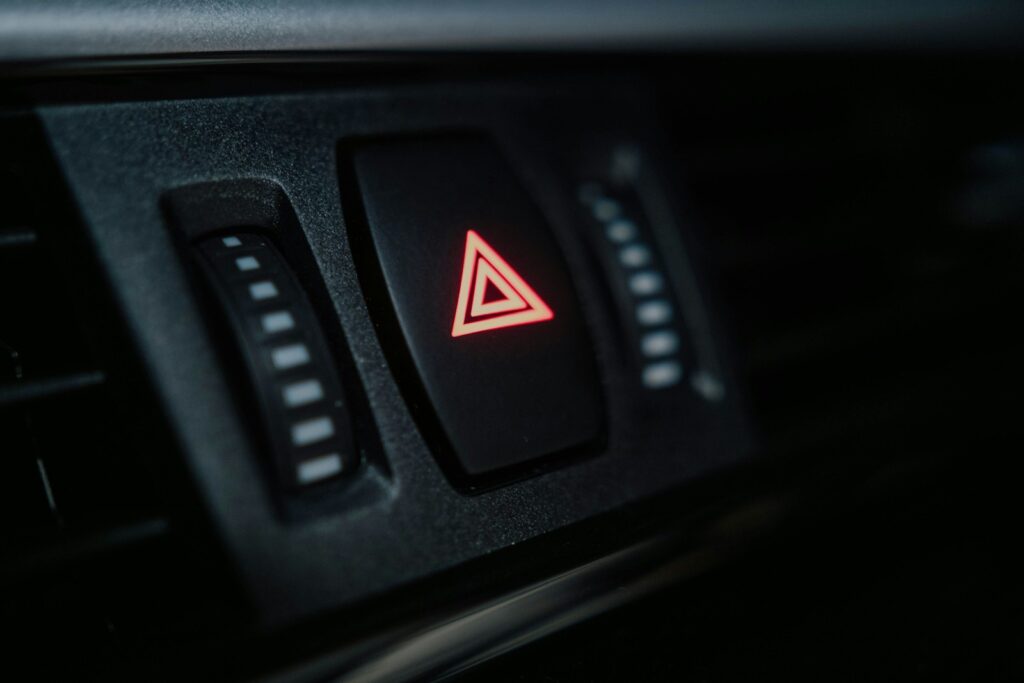
Small lights on the dash can mean anything from low washer fluid to imminent engine damage. Ignoring them can let a minor issue escalate into overheating, mechanical failure, and steep bills.
How Dashboard Warnings Signal Engine Trouble
Dashboard warning lights are electronic flags tied to specific sensors and the car’s OBD system. A steady or flashing check engine light often indicates misfires, sensor failures (like the oxygen or MAF sensor), or fuel/ignition issues that increase combustion temperatures and stress components.
Some lights give immediate danger signals—oil pressure or temperature warnings—while others, like emissions-related trouble codes, may seem less urgent but still degrade performance. Modern vehicles log fault codes that mechanics read with a scanner to pinpoint the affected system. Ignoring a code that flags lean condition, coolant leak, or failing thermostat lets the condition persist and harms pistons, valves, and catalytic converters.
Why Overheating Is a Game Changer
Engine overheating rapidly accelerates component wear and can warp aluminum heads or crack the engine block. A cooling system fault—low coolant, broken thermostat, failed water pump, or clogged radiator—raises combustion chamber temperatures and can blow the head gasket within minutes to hours of sustained overheating.
Overheating also damages oil’s protective properties, causing metal-on-metal contact in bearings and cam lobes. Drivers who keep driving with a temperature warning risk immediate engine seizure and loss of driveability. If the vehicle shows a temperature spike or steam, stop, shut the engine off, and avoid restarting until a mechanic inspects the cooling system.
Ignoring Warning Signs: Catastrophic Engine Damage Risks
Small issues compound: a persistent misfire can overheat the catalytic converter, a coolant leak can lead to cylinder head warping, and low oil pressure can ruin crankshaft bearings. These cascading failures change a single repair into full engine replacement or rebuild.
Catastrophic failures often show prior warning signs—warning lights, new knocking noises, reduced power, or white smoke from the exhaust. When ignored, these signs progress from repairable (sensor replacement, gasket fix) to terminal (cracked block, thrown rod). Repair shops commonly report cases where a neglected check engine light ends with engine replacement, which costs multiples more than catching the initial fault.
Danger to Your Wallet and Safety
Repair costs jump quickly when initial problems escalate. Fixing a sensor or thermostat can be a few hundred dollars; replacing a warped head gasket or engine can run several thousand. Insurance rarely covers mechanical neglect, so out-of-pocket bills grow when drivers ignore lights.
Safety also declines: overheating can cause sudden loss of power on highways, stalled vehicles in traffic, or smoke that reduces visibility. Brake and steering systems may remain functional, but an unexpected engine failure increases crash risk. Drivers should treat dashboard warnings as actionable alerts and get a diagnostic scan to avoid high repair costs and dangerous failures.
The Most Critical Dashboard Warnings and What They Mean
These dashboard lights point to problems that can strand a driver, cause expensive repairs, or create immediate safety risks. He or she should treat red indicators as urgent and yellow/orange lights as warnings that need prompt diagnosis.
Check Engine Light: More Than Just a Suggestion
The check engine light can signal anything from a loose gas cap to a misfiring cylinder. When it glows steady, it usually means an emissions or sensor issue that needs a diagnostic scan; when it flashes, it often indicates a severe misfire that can damage the catalytic converter if driven on.
A quick step is to tighten the gas cap and check for obvious symptoms like rough idle, loss of power, or poor fuel economy. If symptoms persist or the light flashes, the driver should stop driving and have an OBD-II scan performed to read stored fault codes and prioritize repairs.
Oil Pressure Warnings: The Fast Track to Engine Disaster
An oil pressure warning or oil pressure light means the engine may not be getting adequate lubrication. Low oil pressure can result from low oil level, a failing oil pump, a clogged oil pickup, or severe engine wear. Continued driving with low oil pressure risks bearing damage and catastrophic engine failure.
When the oil pressure warning appears, pull over, shut off the engine, and check the oil level immediately. If the level is normal and the light stays on after a restart, do not drive—have the vehicle towed to a shop. Mechanics will check oil level, filter, pressure sender, and pump before more invasive engine inspection.
Coolant Temperature: How Overheating Destroys Engines
A coolant temperature warning indicates the engine is running hotter than intended and can lead to warped heads, blown head gaskets, or seized components. Common causes include low coolant, a stuck thermostat, a failed water pump, collapsed radiator hose, or a bad radiator fan. He or she may also see steam, sweet-smelling vapor, or an abrupt temperature spike on the gauge.
If the coolant temperature light appears, stop driving as soon as safe, turn off the engine, and allow it to cool before checking coolant level. Never open the radiator cap while hot. Towing to a repair facility is often the safest choice if coolant is low with no visible leak or if the fan and pump function are questionable.
Brake, Battery, and Tire Pressure Lights: Overlook at Your Own Risk
Brake system warnings often appear as a red brake symbol or the letters “ABS” and can mean low brake fluid, worn pads, or ABS failure. Any red brake warning requires immediate attention because brake system failure greatly increases crash risk. Battery warning lights usually point to charging system problems—commonly a failing alternator or loose belt—that can leave the vehicle without electrical power.
The tire pressure monitoring system (TPMS) warns of low tire pressure or sensor faults; driving on underinflated tires increases wear, reduces handling, and raises blowout risk. Drivers should check brake fluid level, have brakes inspected, test charging voltage at the battery/alternator, and use a gauge to confirm tire pressures before resuming normal driving. For ABS, alternator, or persistent TPMS faults, schedule professional diagnostics to avoid safety or roadside breakdowns.
Relevant further reading on common dashboard symbols appears at mechanic guides such as this dashboard symbols and warning lights reference.
More from Steel Horse Rides: