
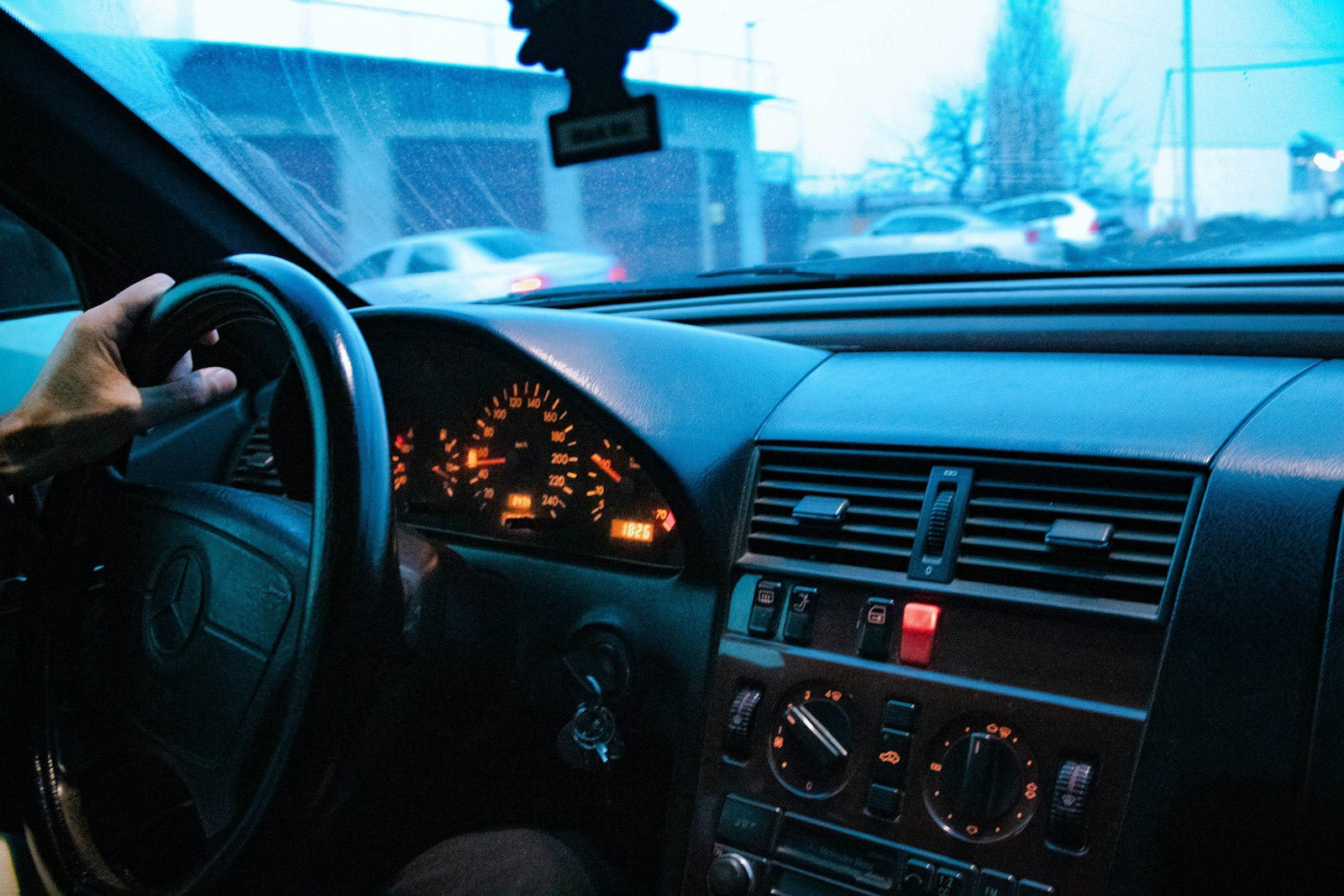

You feel that sinking pause when a warning light appears, and you might be tempted to shrug it off. Ignore it at your own risk: a persistent oil pressure or engine temperature warning can turn a small fix into an engine-replacing bill if you keep driving.
They explain why acting fast matters and what each critical light usually signals, so you can decide whether to pull over, top off fluids, or head straight to a mechanic. Keep reading to learn which lights demand immediate action and how a quick response saves money and prevents breakdowns.
Why Ignoring Dashboard Warning Lights Leads to Expensive Repairs
Dashboard warning lights act as early signals about specific systems and components, and ignoring them lets small faults worsen into larger mechanical failures. Drivers who delay diagnostics often face higher repair costs, lost resale value, and safety risks.
How Dashboard Warning Lights Prevent Costly Damage

Warning lights detect abnormal behavior before complete failure. Modern engine computers monitor sensor readings—oxygen sensors, coolant temp, oil pressure—and trigger codes when values drift outside safe ranges. That early flag lets technicians read stored fault data and fix the actual cause instead of replacing multiple parts.
Routine maintenance ties directly to how well these systems respond. For example, a failing oxygen sensor left unchecked can cause the engine to run rich, which increases fuel use and fouls catalytic converters—turning a $200 sensor job into a $1,000+ emissions repair. Repair shops rely on live data to pinpoint problems; clearing codes removes that context and can prolong diagnostic time and cost.
The Chain Reaction of Neglecting a Dashboard Alert
One ignored light often triggers a cascade of stress across related systems. Low oil pressure can overheat bearings, then damage the crankshaft, then seize the engine. A failing cooling system raises engine temperatures, which warps cylinder heads and requires head-gasket or engine replacement—far pricier than a thermostat or coolant flush.
Electrical faults compound similarly. A malfunctioning alternator can let the battery drain, which kills the starter and damages electronic modules. Small leaks—brake fluid, transmission fluid—reduce system performance first and then cause component failure. The CarMD survey and other reports show many drivers keep lights on, which correlates with rising check-engine repair costs nationwide.
Examples of Dashboard Lights That Signal Expensive Issues
- Check Engine Light: Can indicate anything from a loose gas cap to damaged catalytic converter. If diagnostics show ongoing misfires, untreated issues can ruin the catalytic converter ($800–$2,500 depending on vehicle).
- Oil Pressure Light: Signals low oil or pump failure. Continuing to drive risks bearing and crank damage, potentially leading to full engine replacement ($3,000+ on many cars).
- Temperature Warning/Overheat Light: Often caused by coolant leaks, failed water pumps, or blocked radiators. Heat warpage and blown head gaskets frequently follow, creating large repair bills.
- Battery/Charging Light: Points to alternator or wiring problems. Extended electrical stress can harm electronic control units and require costly module replacements.
Drivers who act when a specific light first appears preserve parts, reduce repair costs, and help maintain resale value. For more data on how often drivers ignore alerts and the cost impact, see the CarMD findings on dashboard lights.
The Most Critical Warning Lights You Should Never Ignore
These warning lights flag issues that can quickly lead to breakdowns or unsafe driving. Responding promptly can prevent costly repairs to the engine, transmission, brakes, or electrical system.
Check Engine Light: Common Triggers and Risks
The check engine light often signals problems ranging from a loose gas cap to serious engine misfires. A loose or damaged gas cap can trigger the light and cause emissions issues; tightening or replacing the cap is a simple first step.
More serious triggers include a failing oxygen sensor, ignition coil or spark-plug faults, and engine misfire codes that indicate combustion problems. Left unaddressed, these can damage the catalytic converter, which is expensive to replace.
Modern cars store diagnostic trouble codes in the ECU. A quick OBD-II scan reveals the code and narrows the cause. Continuing to drive with persistent check engine codes increases fuel consumption and risks progressive component damage.
Oil Pressure Warning: Protecting Your Engine
The oil pressure warning or oil pressure light means the engine’s oil pressure is too low to ensure proper lubrication. Low oil level, a failed oil pump, or a clogged oil pickup can produce the same lamp.
If the oil pressure light appears, stop driving as soon as it’s safe. Low oil pressure can cause rapid bearing wear, scored crankshaft journals, or seized pistons — failures that often require engine rebuilds or replacement.
First actions: pull over, shut off the engine, and check the oil level. If oil level is adequate but the light stays on, have the vehicle towed to a shop; diagnosing pump or pressure-sending-unit faults requires inspection and pressure testing.
Brake System and Brake Warning Lights: Avoiding Safety Hazards
A brake warning light can indicate low brake fluid, worn brake pads, or an ABS fault from a bad wheel speed sensor. Low brake fluid often signals pad wear or a leak; worn pads reduce braking performance and can damage rotors.
ABS warnings or wheel-speed sensor faults disable anti-lock braking, increasing stopping distances on slippery surfaces. Driving with compromised brakes raises immediate crash risk and leads to more expensive repairs if rotors or calipers are damaged.
When the brake lamp illuminates, check the fluid reservoir and look for dashboard ABS indicators that point to sensor or module faults. Have brakes inspected promptly; mechanical brake failures present a direct safety threat.
Battery, Tire Pressure, and Coolant Alerts: What Ignoring Them Can Cost
A battery warning light commonly signals a failing alternator, weak battery, or poor charging circuit connection. Ignoring it can leave the vehicle stranded and may damage electronic modules if voltage fluctuates. Replace the alternator or battery as diagnosed to avoid repeated stalls.
TPMS or tire-pressure warnings indicate underinflation. Driving on low-pressure tires reduces fuel economy, increases tire wear, and risks blowouts that can cause loss of control. Check pressure with a gauge and inflate to manufacturer values immediately.
Coolant temperature warnings mean the engine is overheating from low coolant, a stuck thermostat, or radiator problems. Persistent overheating risks head-gasket failure, warped heads, and engine block damage — repairs that quickly exceed simple coolant-system service. Pull over, let the engine cool, and top off coolant if safe; get professional diagnosis if the light stays on.
Relevant reading on common warning-light meanings and actions appears in articles that list the most critical symbols drivers should heed, such as this guide to 10 critical dashboard symbols.
More from Steel Horse Rides: