
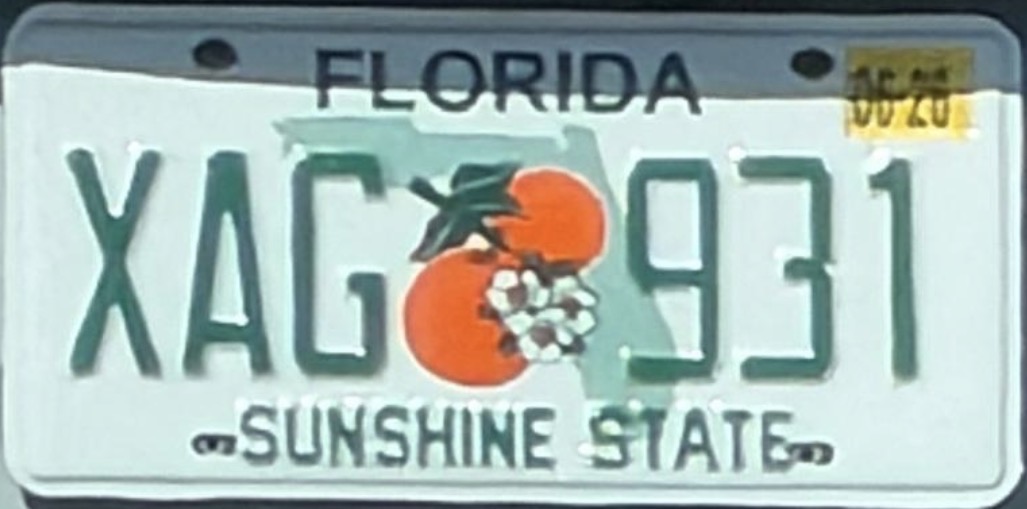

Millions of motorists will need to take action after Florida moves to eliminate the little yellow registration decal on license plates, and that change will affect how people renew and display their vehicle registration. You’ll learn what the new law changes about plate stickers, why lawmakers say it’s needed, and what steps drivers must take to stay legal.
This post breaks down the specifics of Florida’s proposal, explains how it affects daily driving and renewal routines, and points to where to find official updates and next steps. Expect clear, practical information so motorists can update plates or paperwork with confidence.
What Is Florida’s New License Plate Sticker Law?
The law ends the annual yellow validation sticker on most Florida license plates and shifts enforcement toward electronic checks and updated plate designs. Drivers will still need valid registrations and may have to replace plates that lack required features.
Key Changes and Timeline
The most visible change removes the small yellow registration sticker traditionally placed in the plate’s upper corner. Drivers who renew registration will no longer receive that sticker; instead, the state will rely on electronic records and redesigned plates that display required registration elements more clearly.
Effective dates vary by provision: plate-design and enforcement changes began appearing in legislation and memos in late 2025, with some measures timed for implementation in 2026. County tax collectors will adjust renewal mailings and may continue providing paper registration certificates. Law enforcement will keep authority to issue citations for expired registrations when databases show the vehicle is not current.
HB 841 and SB 982: Legislative Background
House Bill 841, sponsored by Rep. Tom Fabricio, led the push to eliminate the yellow decal. The bill argues that removing physical stickers saves state printing costs and reduces counterfeit-sticker fraud. Companion or related measures in the Senate, sometimes referenced as SB 982 in media coverage, tracked similar modernization goals and probes into enforcement changes.
The Florida Department of Highway Safety and Motor Vehicles (DHSMV) issued guidance noting electronic verification systems are in use and would replace the sticker for routine checks. Legislators debated implementation details, including whether savings should offset fees or fund upgrades to real-time systems. County tax collectors, including Miami-Dade officials, voiced operational concerns about transitioning mailings and public messaging.
Who Needs to Update Their Plates

Most drivers with current Florida registrations will not need immediate physical changes to their plates unless their plate lacks the newly required visual elements specified by updated rules. Vehicles with specialty or legacy plates could face replacement if those plates cannot accommodate required visibility or machine-readable features.
Commercial fleets and out-of-state transfers should check with their county tax collector for any mandatory plate swaps. Motorists who receive a renewal notice that includes a new plate or replacement instructions must comply within the timeframe listed to avoid citations. The DHSMV guidance also clarifies that drivers still must carry paper proof of registration until officers rely fully on electronic verification during traffic stops.
Transition to Real-Time Digital Verification
Lawmakers and the DHSMV emphasize migration to real-time digital verification tools that let officers check registration status instantly through state databases. These systems already exist in many agencies and will get expanded access and reliability improvements to compensate for the absence of a physical decal.
Implementation steps include software updates for patrol vehicles, expanded access for local agencies, and training for officers on reading electronic records. Officials expect a phased rollout; during the transition, officers may still rely on physical proof brought by drivers. The push toward digital checks aims to reduce counterfeit-sticker fraud and speed up traffic contacts while maintaining the ability to verify registration on the spot.
How the New Law Impacts Motorists and Registration
The law changes who must display updated registration credentials, how they obtain them, and which penalties apply for noncompliance. It affects renewal steps, potential savings, anti-fraud measures, and specific statutory language that county offices will follow.
Process for Renewing Vehicle Registration
Motorists must show proof of current registration when they renew, and many counties now issue physical evidence at point of sale or by mail. If renewing online, the Florida Department of Highway Safety and Motor Vehicles (FLHSMV) will require the same documentation uploads that a local tax collector would ask for, such as insurance verification and ID tied to the vehicle owner.
County tax collector offices will still process in-person renewals; they can issue the new registration sticker or a receipt that the motorist must keep in the vehicle until the sticker arrives. The change emphasizes timely address updates—mailing errors can delay sticker delivery and result in citations. Dealers handling initial registrations after a sale must follow the updated procedures in HB 253 when they submit paperwork.
Benefits: Convenience, Savings, and Fraud Prevention
Motorists gain convenience when counties provide same-day issuance at the counter or faster mailed stickers, reducing the need for repeat visits. Online renewal options aim to cut wait times and reduce clerical errors, which can lower late fees and towing-related costs for low-income owners.
The law also targets fraud by tightening proof requirements and limiting temporary paper tags that were easy to counterfeit. That reduces the risk of uninsured vehicles masquerading as legal. Savings for drivers may come indirectly: fewer impoundments, fewer fines from mismatched paperwork, and more predictable renewal timelines when offices follow Florida Statute 320.061 and implementing guidance from FLHSMV.
Understanding Florida Statute 320.061
Florida Statute 320.061 sets the legal basis for issuance and display of registration stickers and the duties of the Department and county tax collectors. It outlines what documents are required for registration, rules for duplicate or replacement stickers, and penalties for falsified records.
The statute requires verification of insurance or financial responsibility and establishes rules for plate retention and transfer. Changes incorporated under HB 253 clarify submission timelines for dealers and county offices, and they allow administrative updates to how stickers are produced and delivered. Motorists should reference the statute for details on replacement fees, timelines for transfers, and the specific language about fraudulent registration practices.
What Stays the Same: Plate Design and Specialty Plates
License plate appearance and specialty plate programs remain governed by existing FLHSMV design standards; the law does not alter graphics or specialty plate eligibilities. Specialty plates that support charities or universities continue to be issued under the same application and fee structure.
Owners who currently hold specialty or personalized plates will keep their plate number and design when they renew, provided they follow the updated sticker or proof procedures. The physical plate itself typically does not change; the primary change concerns issuance and display of the registration sticker tied to that plate.
More from Steel Horse Rides: