
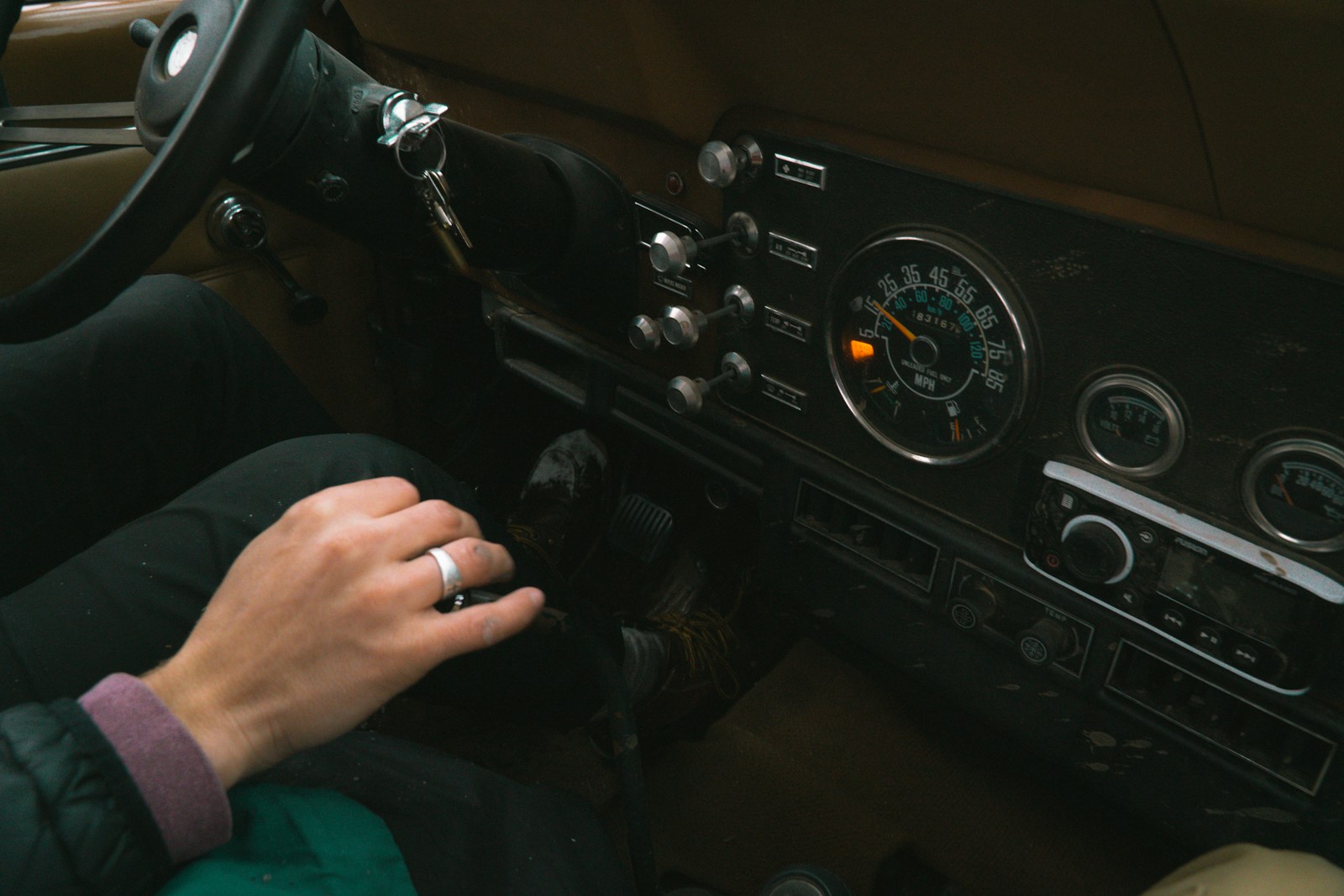

A sports car owner is speaking out after what should have been a routine mechanic visit turned into an alarming discovery. When he picked up his vehicle from the shop, he noticed something was off: the odometer showed 150 additional miles, and his once-full gas tank was nearly empty.
The incident adds to growing concerns about what happens to customer vehicles while they’re in the shop, with some owners discovering mechanics drove their cars thousands of extra miles without permission. While test drives are standard practice after repairs, 150 miles goes well beyond what’s needed to verify a vehicle is working properly.
The situation raises questions about accountability and trust between car owners and repair shops. Stories like this have become more common on social media, where frustrated customers share their experiences of getting vehicles back with unauthorized mileage and little explanation from the businesses responsible.

Unexpected Extra Miles and Empty Gas Tank: What Happened?
A routine service appointment turned into a shocking discovery when a sports car owner checked his vehicle’s odometer and fuel gauge. The mechanic had added 150 miles to the car and returned it with the gas tank nearly empty.
Customer’s Account of the Incident
The customer dropped off his sports car at a mechanic shop for what should have been standard maintenance work. When he picked up the vehicle, something immediately felt off.
He noticed the fuel gauge was drastically lower than when he left it. A quick check of the odometer revealed the stunning truth: 150 additional miles had been added during the time his car was supposedly being serviced.
The owner had expected minimal test driving, maybe a few miles at most to ensure everything worked properly after the repairs. Instead, his prized sports car had been taken on what appeared to be an extended joyride while in the shop’s care.
How Many Miles Did the Mechanic Actually Drive?
The odometer showed a clear increase of 150 miles from drop-off to pickup. For context, that’s roughly the distance from Los Angeles to San Diego or enough to drive around a typical city multiple times.
Standard test drives after mechanical work typically involve:
- 5-10 miles for basic repairs
- 15-20 miles for transmission or engine work
- 25-30 miles maximum for extensive diagnostics
The 150-mile addition far exceeded any reasonable testing protocol. The near-empty gas tank provided additional evidence of excessive driving, as driving with low fuel levels can damage the fuel pump.
Possible Reasons for Extensive Test Driving
Several explanations could account for the dramatic mileage increase, though none justify unauthorized use of a customer’s vehicle. The mechanic might have taken the sports car for personal errands or let employees drive it during breaks.
Some shops have been known to use customer vehicles as temporary loaners for other clients. In rare cases, mechanics take high-performance cars out for recreational drives to experience vehicles they can’t afford themselves.
Technical issues could require extended testing, but 150 miles would be excessive even for complex diagnostic work. The nearly empty tank suggests the driving was prolonged and likely unauthorized rather than work-related.
Reactions From the Customer and Community
The car owner expressed frustration and betrayal at discovering his vehicle had been driven so extensively without permission. He shared his experience to warn others about checking their odometers and fuel levels when picking up vehicles from repair shops.
Community responses showed widespread outrage at the mechanic’s behavior. Many people shared similar stories of mechanics adding unexpected miles to their vehicles.
The incident raised questions about shop policies and accountability. Some commenters suggested installing dashcams or GPS trackers to monitor vehicles while they’re being serviced.
Understanding Your Rights and Protecting Your Car
When a mechanic takes a car for what should be a quick test drive and returns it 150 miles later with an empty tank, it raises serious questions about what repair shops can legally do with customer vehicles. Most states have regulations about how repair shops must handle customer authorization and vehicle use, but the specifics vary by location.
Typical Test Drive Policies at Repair Shops
Repair shops generally need to test drive vehicles to diagnose problems or verify that repairs work properly. These drives typically cover just a few miles and stay within the immediate area of the shop.
Professional shops document test drives in their records. They note the mileage before and after, along with the purpose of the drive. Some states require shops to inform customers about test drives in advance.
A test drive of 150 miles goes far beyond industry standards. Normal diagnostic drives rarely exceed 10-20 miles, even for issues that require highway speeds. Such excessive mileage could indicate unauthorized use of the vehicle.
Documenting Your Car’s Condition Before Service
Smart car owners take photos of their odometer reading before dropping off their vehicle at any shop. They also document the fuel level and general condition of the interior and exterior.
A quick video walkthrough of the car takes less than two minutes but creates a timestamp of the vehicle’s exact state. This becomes crucial evidence if disputes arise later about mileage, damage, or fuel consumption.
Writing down the exact odometer reading on the service authorization form protects owners from disagreements. Some shops automatically note this information, but many don’t unless the customer requests it.
What To Do If You Suspect Unauthorized Use
The man with the sports car found himself facing a shop that added 150 miles and drained his gas tank. In situations like this, requesting an itemized invoice and written explanation becomes the first step.
Car owners should document everything in writing. They can file complaints with their state’s Division of Consumer Affairs or attorney general’s office. Many states allow consumers to recover damages when shops violate vehicle handling regulations.
Mechanics who use customer vehicles for personal errands or joyrides commit a form of theft of services. Insurance and liability issues also come into play if accidents occur during unauthorized use.
Preventing Issues on Future Repair Visits
Customers can request that shops note the starting mileage and fuel level on repair orders. This simple step creates an official record that both parties acknowledge.
Asking about the shop’s test drive policy before authorizing work helps set expectations. Reputable mechanics will explain when and why they need to drive the vehicle.
Some owners of high-performance or valuable cars specifically note “no test drives without prior authorization” on their work orders. Others request that only the service manager drive their vehicle, not technicians or lot attendants.
More from Steel Horse Rides: