
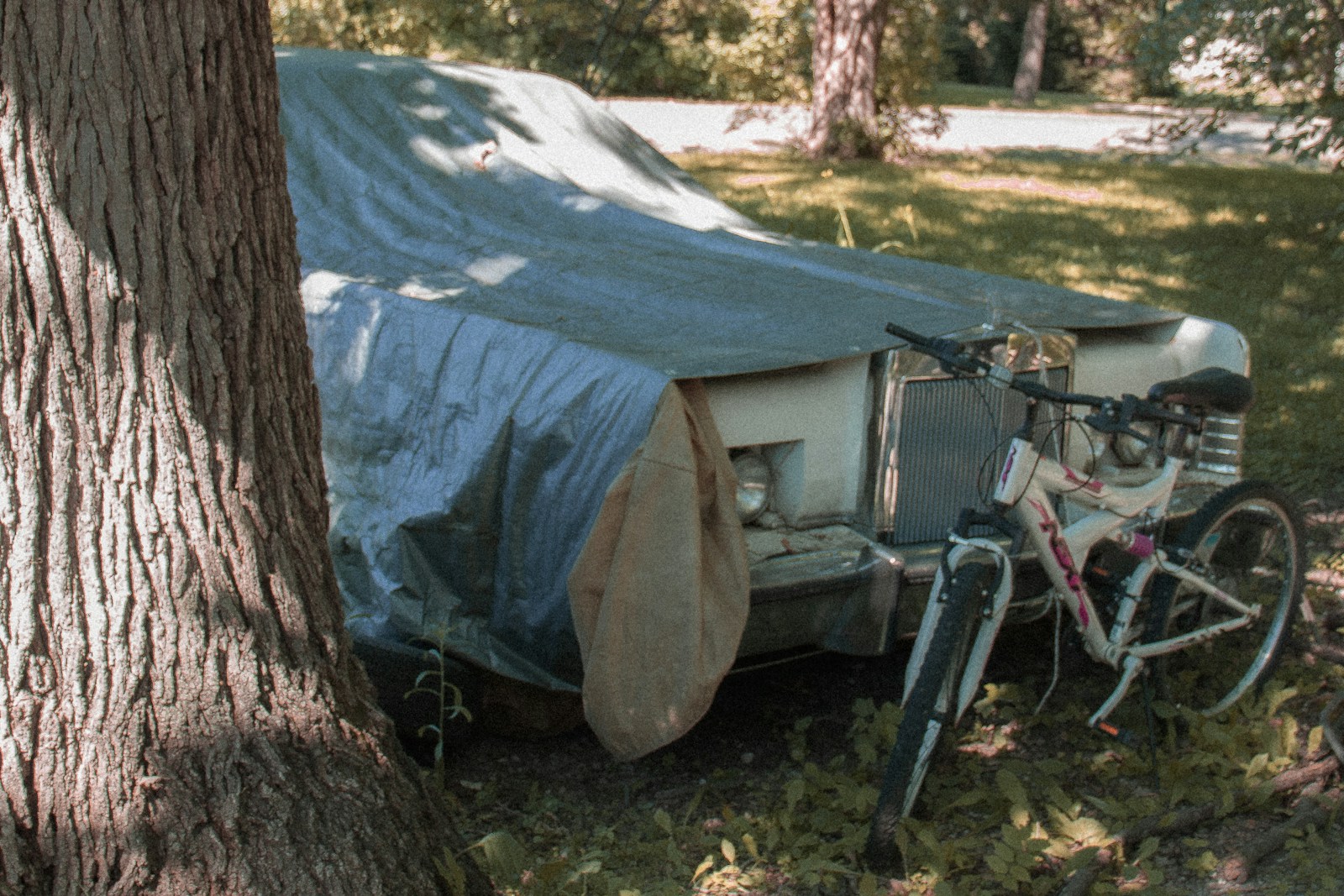

A driver found himself in an unexpected confrontation with his homeowners association after receiving a 48-hour ultimatum to remove his project car from his own property, despite the vehicle being covered. The demand came with a threat of legal action, leaving the homeowner scrambling to understand his options and wondering how an HOA could dictate what he parks on his private driveway.
The conflict highlights the often murky boundaries between HOA authority and homeowner property rights, particularly when it comes to vehicles stored on private land. Many homeowners don’t realize that HOA car rules can restrict inoperable or project vehicles even when they’re parked on individual properties rather than common areas.
The situation raises questions about how far association boards can go in enforcing aesthetic standards and community rules. While the car was covered in an apparent attempt to comply with appearance guidelines, the HOA still deemed it a violation worthy of potential legal consequences.
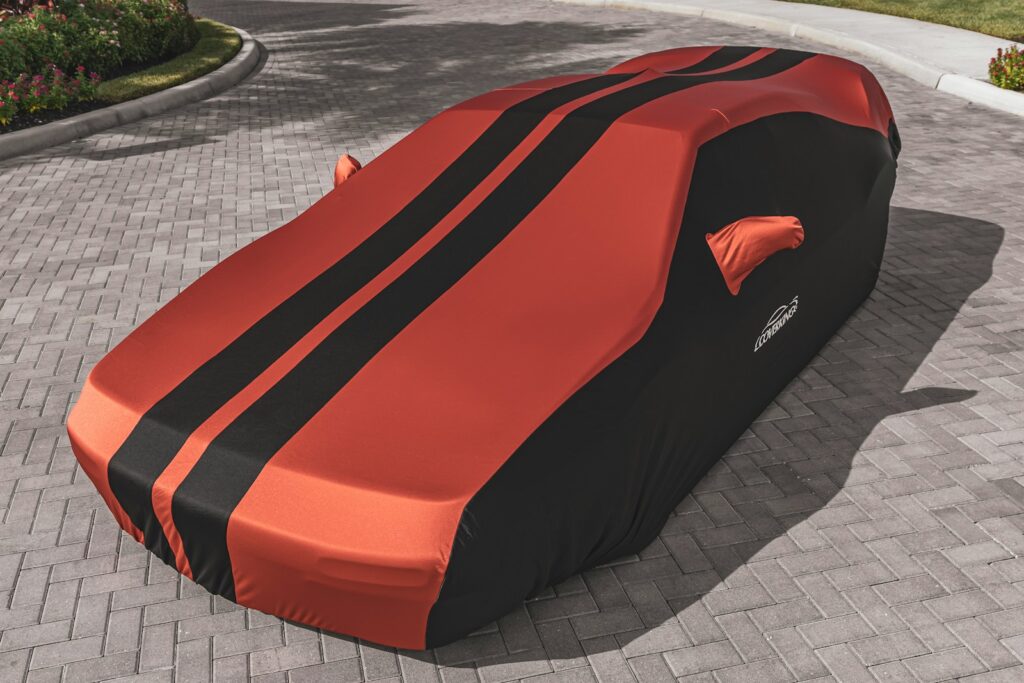
Understanding HOA Authority Over Project Cars on Private Property
HOAs derive their power to regulate vehicles from specific provisions in their governing documents, which spell out what types of cars can be parked where and for how long. The enforcement process typically involves written notices, established timeframes, and potentially towing arrangements that the association has already put in place.
When Can an HOA Order Vehicle Removal From Your Property?
An HOA’s ability to order a project car removed depends entirely on what’s written in the community’s covenants, conditions, and restrictions. These governing documents often prohibit vehicles that appear inoperable, under repair, or lacking current registration from being visible in driveways or on streets.
Many associations include rules about vehicle appearance and condition. Common HOA parking restrictions prohibit certain vehicle types like commercial trucks, RVs, boats, and vehicles under repair to maintain neighborhood aesthetics and property values.
The distinction between public and private streets matters significantly. If a project car sits on a public street, the HOA typically has no authority to enforce removal. However, streets within HOA boundaries are usually private property where the association’s rules apply fully.
Even cars parked in a homeowner’s own driveway aren’t immune from HOA oversight. Associations can restrict what vehicles homeowners park in their driveways based on appearance standards outlined in the community’s bylaws.
Role of Governing Documents, Bylaws, and HOA Rules
The CC&Rs serve as the primary legal framework that gives an HOA power over property use, including vehicle parking and storage. These documents must explicitly grant the association authority to regulate vehicle types, conditions, and parking locations.
Bylaws provide the procedural framework for how the HOA operates and enforces its rules. They outline notice requirements, hearing processes, and what steps must occur before the association takes action against a homeowner.
HOA rules typically expand on the broad principles in the CC&Rs with specific details about acceptable vehicle conditions. These might include requirements that cars maintain current registration, remain operational, or stay covered if stored outdoors.
The specificity of language in these governing documents determines what the HOA can actually enforce. Vague restrictions leave room for disputes, while explicit rules about project cars, non-operational vehicles, or cars under restoration give associations clearer enforcement authority.
Towing Procedures and General Towing Authorization Agreements
Many HOAs establish general towing authorization agreements with towing companies before violations occur. These pre-arranged contracts allow for faster enforcement when parking violations happen.
HOA towing procedures generally require the board to send written notice to the violating homeowner at least 96 hours before towing a vehicle. The association must then provide written authorization to the towing operator confirming the HOA has legal authority to request the tow.
After authorizing a tow, the HOA should inform the vehicle owner within one hour and report the towing to local law enforcement within the same timeframe. These notification requirements protect homeowners from arbitrary vehicle removal.
The enforcement process typically starts with violation notices rather than immediate towing. Boards usually reserve towing for repeat offenders or severe violations since this approach often creates heated disputes between homeowners and the association.
Homeowner Rights and Dispute Options When Facing Legal Action Over a Project Car
When an HOA issues a removal notice for a covered vehicle on private property, homeowners have specific legal protections and avenues to challenge the association’s authority. The driver’s situation illustrates how HOA disputes over project cars often hinge on whether restrictions in the governing documents actually prohibit the specific condition of the vehicle.
What Are Your Rights If the Car Is Covered and On Your Property?
Homeowners possess certain legal rights when facing HOA disputes that board members cannot simply override. The governing documents, particularly the Covenants, Conditions, and Restrictions (CC&Rs), define what the HOA can and cannot regulate on individual lots.
Many CC&Rs prohibit inoperable vehicles, commercial vehicles, or vehicles visible from the street. However, a covered car on private property may fall outside these restrictions. The specific language in the documents matters significantly.
California’s Davis-Stirling Act and similar laws in other states require HOAs to follow their own rules consistently. If neighbors have covered boats, trailers, or other vehicles without enforcement action, the association may be engaging in selective enforcement. This inconsistency can strengthen a homeowner’s position.
The 48-hour deadline also raises questions about proper notice requirements. Most governing documents specify minimum notice periods before fines or legal action, often ranging from 10 to 30 days.
How to Challenge or Dispute an HOA Removal Notice
Homeowners facing removal notices should document everything related to the dispute, including the original notice, photos of the covered vehicle, and images of similar situations in the community. The driver likely photographed his covered project car and the surrounding area to establish the vehicle’s condition and location.
Requesting copies of the relevant sections of the CC&Rs, bylaws, and architectural guidelines represents a critical early step. The homeowner can review whether the documents actually prohibit covered vehicles on driveways or only address uncovered or inoperable vehicles visible from public areas.
Many homeowners send a written response to the board questioning the legal basis for the removal demand. This letter typically references specific sections of the governing documents and points out any inconsistencies in enforcement. The driver might note that the car is covered, registered, and on his own property.
Some associations offer internal dispute resolution or hearings before imposing fines. Homeowners can request these proceedings to present their case directly to the board.
Possible Legal Consequences and Engaging an HOA Attorney
If the HOA proceeds with legal action over the project car, the association might file for injunctive relief seeking court-ordered removal of the vehicle. More commonly, HOAs impose monetary fines that escalate over time, potentially reaching hundreds or thousands of dollars. These fines can eventually lead to liens against the property.
The driver facing the 48-hour deadline might benefit from consulting an experienced HOA attorney before the deadline expires. Legal counsel can review whether the HOA followed proper procedures, assess whether the governing documents support the removal demand, and determine if HOA rule changes occurred without proper homeowner notification.
Attorneys sometimes send cease and desist letters when HOAs act outside their authority or violate state laws governing associations. In cases involving selective enforcement or improper notice, homeowners have the right to file lawsuits challenging the HOA’s actions. Legal fees can be substantial on both sides, which sometimes motivates boards to reconsider aggressive enforcement positions.
More from Steel Horse Rides: