
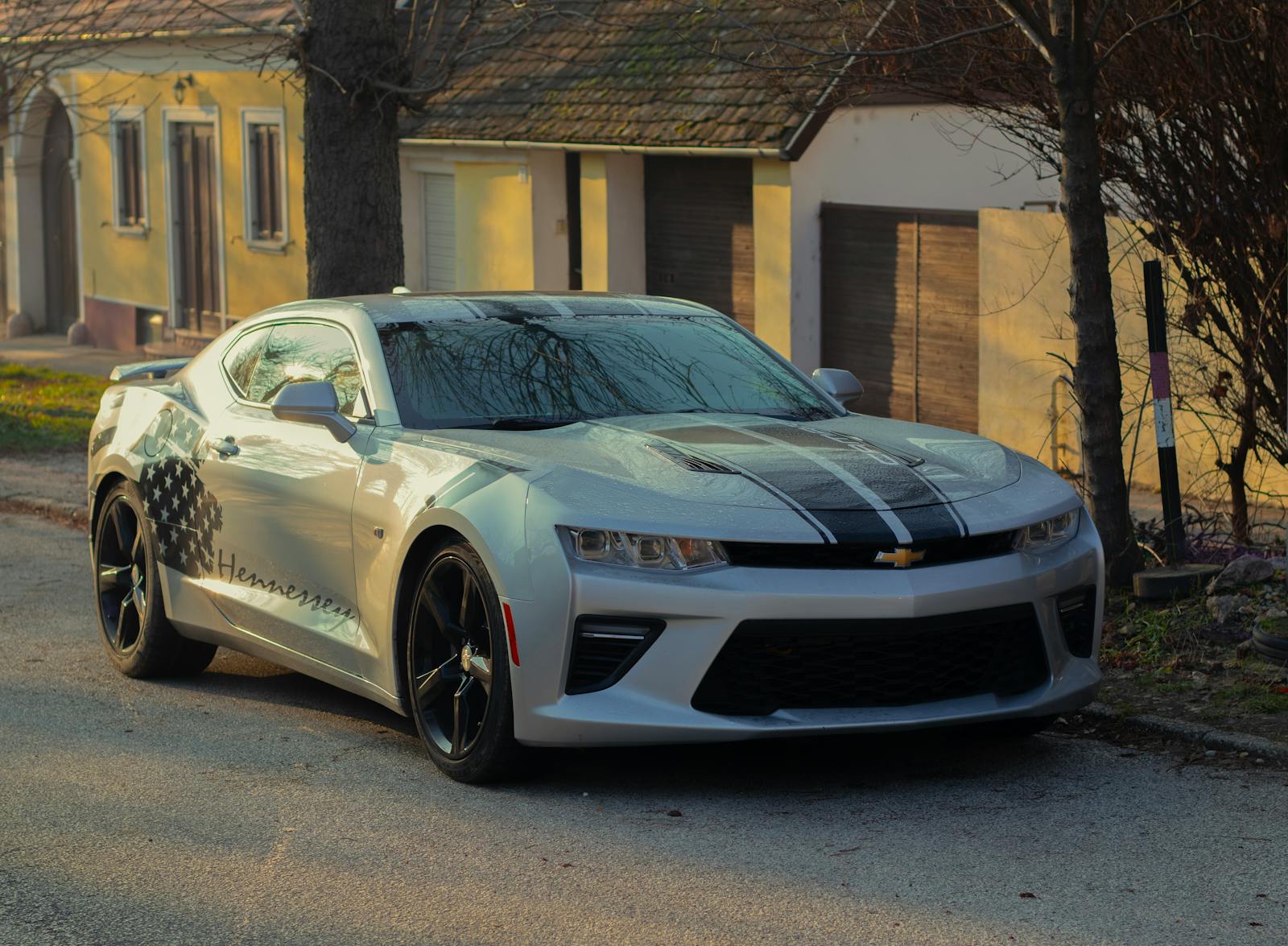

A driver recently found himself in an unexpected situation when a neighbor filed a complaint about his loud exhaust despite his car being completely stock from the factory. The complaint alleged excessive noise from the vehicle’s exhaust system, even though the car had no aftermarket modifications and retained all its original factory components.
The incident highlights a growing tension between car owners and their neighbors over vehicle noise levels. While many complaints involve cars with modified exhaust systems, this case stands out because the vehicle in question hadn’t been altered at all.
The situation raises questions about what happens when factory-spec vehicles draw noise complaints and how vehicle noise laws apply differently depending on whether a car sits on public or private property. The driver’s experience sheds light on the challenges of navigating neighbor disputes when the car itself meets all manufacturer specifications.
Understanding Exhaust Noise Complaints With Stock Cars
Noise complaints involving factory-stock vehicles create a unique conflict where drivers face accusations about loud exhaust systems they never modified. These situations involve questions about actual decibel levels, legal noise standards that vary by location, and how neighborhood dynamics influence perceptions of what counts as excessive noise.
Perception Versus Reality: Are Stock Cars Actually Loud?
Factory-stock cars are typically designed to operate within specific decibel limits set by manufacturers to comply with regulations. These vehicles don’t have the aftermarket exhaust systems that produce the loudest sounds.
However, some cars come factory-equipped with performance exhausts that remain completely legal while still generating significant noise. Sports cars and performance vehicles often sound louder than standard sedans even without any modifications.
The perception problem becomes apparent during cold starts when engines run at higher RPMs. A neighbor might hear a louder-than-usual rumble and assume the driver installed a modified exhaust when the sound actually comes from normal engine operation. The difference between a loud car with aftermarket parts and a stock vehicle can be difficult for the average person to distinguish by ear alone.
Decibel Levels And Legal Standards For Exhaust Noise
Vehicle noise regulations typically focus on decibel measurements rather than subjective assessments of what sounds too loud. New York City authorities use decibel measuring camera technology to identify noise-makers and issue citations.
Most jurisdictions set specific thresholds for acceptable vehicle noise. Common limits range from 75 to 95 decibels depending on the vehicle type and local regulations. Stock vehicles generally fall well within these parameters since manufacturers must meet federal and state standards before cars reach dealerships.
The challenge emerges when neighbors file complaints without actual decibel measurements. A driver operating a completely stock vehicle might still receive citations or warnings based solely on a complaint, even though their exhaust produces noise levels the factory intended.
How Local Noise Ordinances And Quiet Hours Apply
Noise complaints about vehicle exhaust typically fall under local noise ordinances rather than state or federal regulations. Each city or county establishes its own rules about acceptable noise levels and enforcement procedures.
Many communities implement quiet hours that restrict certain activities during nighttime and early morning periods. These restrictions might apply to vehicle operation, though they more commonly target construction work, lawn equipment, and outdoor gatherings.
Common quiet hour periods include:
- 10 PM to 7 AM on weekdays
- 10 PM to 8 AM on weekends
- 9 PM to 8 AM in some residential areas
A driver starting their car at 6:30 AM might technically violate quiet hours in some jurisdictions, regardless of whether the exhaust is stock or modified. The timing of the complaint often matters as much as the actual noise level.
The Impact Of Noise Pollution On Neighborhoods
Repeated exposure to loud trucks and loud cars affects neighborhood quality of life beyond simple annoyance. Residents dealing with daily noise from vehicles report sleep disruption, stress, and decreased property values in their communities.
The cumulative effect of multiple vehicles creates a bigger problem than any single car. A neighborhood might tolerate occasional loud exhaust noise from one vehicle, but when several residents drive performance cars or trucks, the combined impact becomes more noticeable.
Even stock vehicles contribute to overall noise pollution when multiple people start their cars during morning commutes. The issue intensifies in areas with close housing proximity where sound travels easily between properties. Neighbors who work night shifts or have young children become particularly sensitive to morning vehicle noise, leading to more frequent noise complaints even against drivers operating completely unmodified vehicles.
Handling And Resolving Exhaust Noise Complaints
When a driver faces an exhaust noise complaint about a stock vehicle, the situation requires both parties to communicate clearly and understand their rights while finding practical solutions that respect everyone’s living environment.
Talking To Your Noisy Neighbor Calmly
The first step when receiving a noise complaint involves having a direct conversation with the neighbor who filed it. Many disputes about a noisy car get resolved simply by explaining that the vehicle came from the factory with its current exhaust system and meets all legal requirements.
The driver can show the neighbor documentation proving the car is stock, including the original purchase paperwork or manufacturer specifications. This evidence often clears up misunderstandings, especially if the neighbor assumed aftermarket modifications were causing the issue.
If the neighbor still feels disturbed, the driver might discuss their typical driving schedule. Working out arrangements like avoiding early morning starts or late-night returns can address concerns without requiring any changes to the vehicle itself. These conversations work best when both parties approach them calmly and focus on finding middle ground rather than assigning blame.
Dealing With Noise Complaints Legally
Most communities have noise ordinances that specify acceptable decibel levels and quiet hours, typically restricting loud activities during nighttime and early morning periods. Understanding local noise ordinances helps drivers determine whether their stock exhaust actually violates any laws.
Police can measure noise levels if someone decides to file a complaint, but a factory exhaust system generally complies with all legal standards. Drivers dealing with repeated complaints might request an official noise test to document that their vehicle meets regulations. This creates a paper trail showing the car doesn’t qualify as disturbing the peace.
If the situation escalates, mediation services can help resolve neighbor disputes without involving law enforcement or courts. A neutral third party can facilitate discussions between the driver and complaining neighbor to reach an agreement both find acceptable.
Mitigation Tips For Both Drivers And Neighbors
Drivers with stock exhausts can still take steps to minimize perceived noise, like warming up the car for shorter periods or choosing routes that don’t pass directly by the neighbor’s bedroom windows. Parking in a different spot or adjusting departure times by even 30 minutes sometimes makes a significant difference.
Neighbors sensitive to exhaust sounds have options beyond filing complaints. Using earplugs or a white noise machine at night helps mask occasional vehicle sounds. Installing better window insulation or heavy curtains also reduces how much exterior noise penetrates living spaces.
Both parties benefit when they recognize that some ambient noise comes with living in residential areas where people drive cars. Stock vehicles designed to meet emissions and noise regulations represent normal use of property, while neighbors deserve reasonable quiet during designated hours.
More from Steel Horse Rides: