


A classic car owner found himself in an unexpected dispute when his neighbor repeatedly reported his prized vehicle as abandoned, despite the fact he drives it regularly on weekends and maintains it in pristine condition. The situation highlights a growing tension in neighborhoods across the country where vintage automobiles are being mistaken for derelict vehicles.
Most cities prohibit leaving vehicles parked on streets for more than 72 hours, which can put classic car owners who drive less frequently at risk of abandonment reports, even when their vehicles are fully registered and operational. The driver insists his car is far from abandoned, pointing to its clean appearance and regular use, but the neighbor’s complaints have led to multiple visits from local authorities.
The conflict raises questions about what actually constitutes an abandoned vehicle in residential areas and whether classic car enthusiasts need extra precautions to avoid harassment. While some neighbors view infrequently driven vehicles as eyesores taking up valuable parking spaces, owners argue their legally registered cars have every right to street parking between weekend drives.
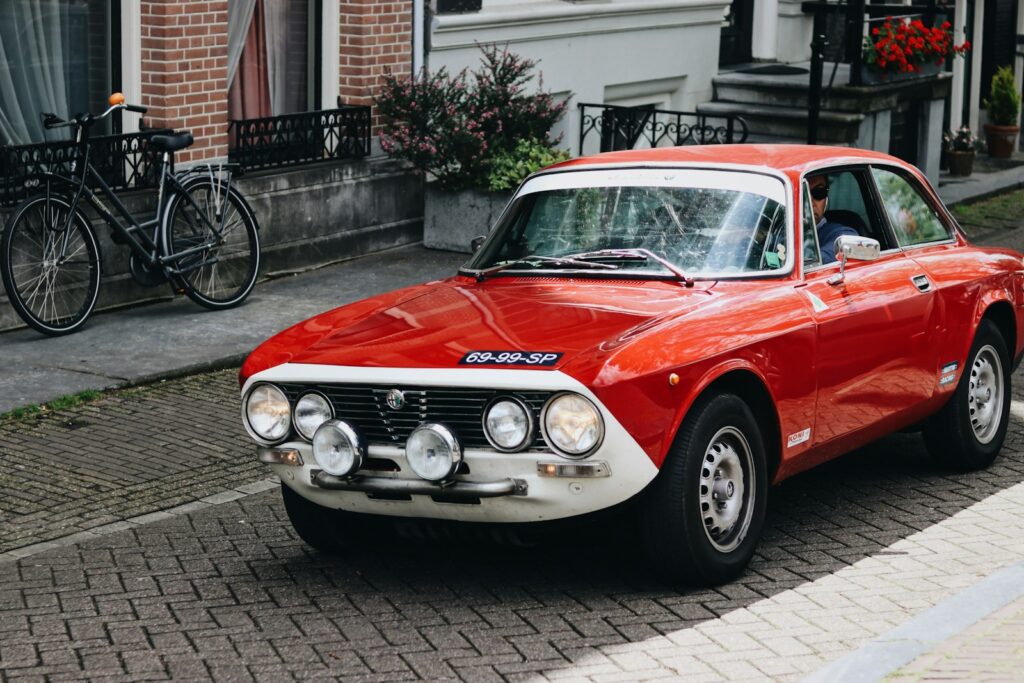
Why Neighbors Report Classic Cars As Abandoned
Classic car owners face reports to authorities despite regular use because neighbors often misunderstand local vehicle laws and mistake infrequent driving for abandonment.
Understanding Abandoned Vehicle Laws
Most cities define an abandoned vehicle based on how long it remains parked without moving. Municipal codes typically specify that a vehicle cannot stay on public property for more than a certain number of days without being driven, with violations triggering abandoned vehicle status.
The exact timeframe varies by location, but many jurisdictions use a seven-day threshold. When someone reports a car as abandoned, local enforcement may only mark it for towing after investigating the complaint.
Classic cars that sit parked all week become targets even when properly registered and insured. Weekend-only drivers discover their vehicles tagged despite meeting all legal requirements for registration and insurance coverage.
Common Neighbor Complaints and Misunderstandings
Parking disputes drive many abandoned vehicle reports rather than genuine concerns about neglected cars. Neighbors wanting a particular parking spot for their own vehicles sometimes call police claiming a car has been abandoned when it simply hasn’t moved in several days.
Some residents report vehicles as abandoned when households own multiple cars that exceed available off-street parking. Classic car enthusiasts who work remotely and drive infrequently face repeated complaints, with neighbors chalking tires daily to monitor whether the vehicle moves.
The appearance of older vehicles contributes to misunderstandings. Neighbors assume cars undergoing restoration or awaiting parts represent abandoned property rather than cherished projects.
How To Protect Your Classic Car From False Abandonment Reports
Classic car owners can take several practical steps to avoid having their vehicles mistakenly flagged as abandoned. Keeping records of regular use and maintaining open communication with neighbors helps establish that the vehicle is actively owned and cared for.
Tips For Proving Regular Use
Keeping a log of when the car gets driven provides concrete evidence of regular operation. Some owners photograph their odometer readings monthly or keep fuel receipts to show the vehicle isn’t sitting idle. Digital tools like smartphone apps can track trips automatically.
Parking the car in slightly different positions each week demonstrates it moves regularly, even if it stays on the same property. Reporting an abandoned car to the DMV typically requires the vehicle to remain stationary for extended periods, so visible movement helps.
Registration should stay current with updated tags clearly displayed. Expired plates often trigger abandonment complaints faster than any other factor. Some collectors also place a small sign in the window noting “Classic vehicle in active use” to preempt concerns.
Best Ways To Communicate With Neighbors
Introducing yourself to nearby residents and mentioning the classic car heads off potential misunderstandings. A brief conversation explaining that weekend driving is part of preserving the vehicle’s condition often resolves concerns before they escalate.
Neighbors who understand the car’s value and usage pattern are less likely to file complaints. Some owners invite interested neighbors to see the vehicle up close or attend local car shows together. Building these relationships creates allies rather than potential reporters.
When someone does express concern, responding calmly and providing information about the car’s status usually settles the matter. Sharing maintenance schedules or upcoming driving plans demonstrates active ownership.
Documenting Maintenance And Cleanliness
Photographing the vehicle regularly with date stamps creates a visual record of its maintained condition. These images prove the car isn’t deteriorating or collecting debris like an abandoned car would.
Keeping receipts for detailing, mechanical work, and parts purchases establishes ongoing investment in the vehicle. Insurance documents and storage facility records also verify active ownership. Some owners maintain a dedicated folder with all vehicle-related paperwork.
A car cover protects the finish while signaling that someone cares for the vehicle. Regular washing and waxing keeps it looking presentable even when parked for days. Maintaining the surrounding area free of weeds or debris shows the space isn’t neglected.
More from Steel Horse Rides: