
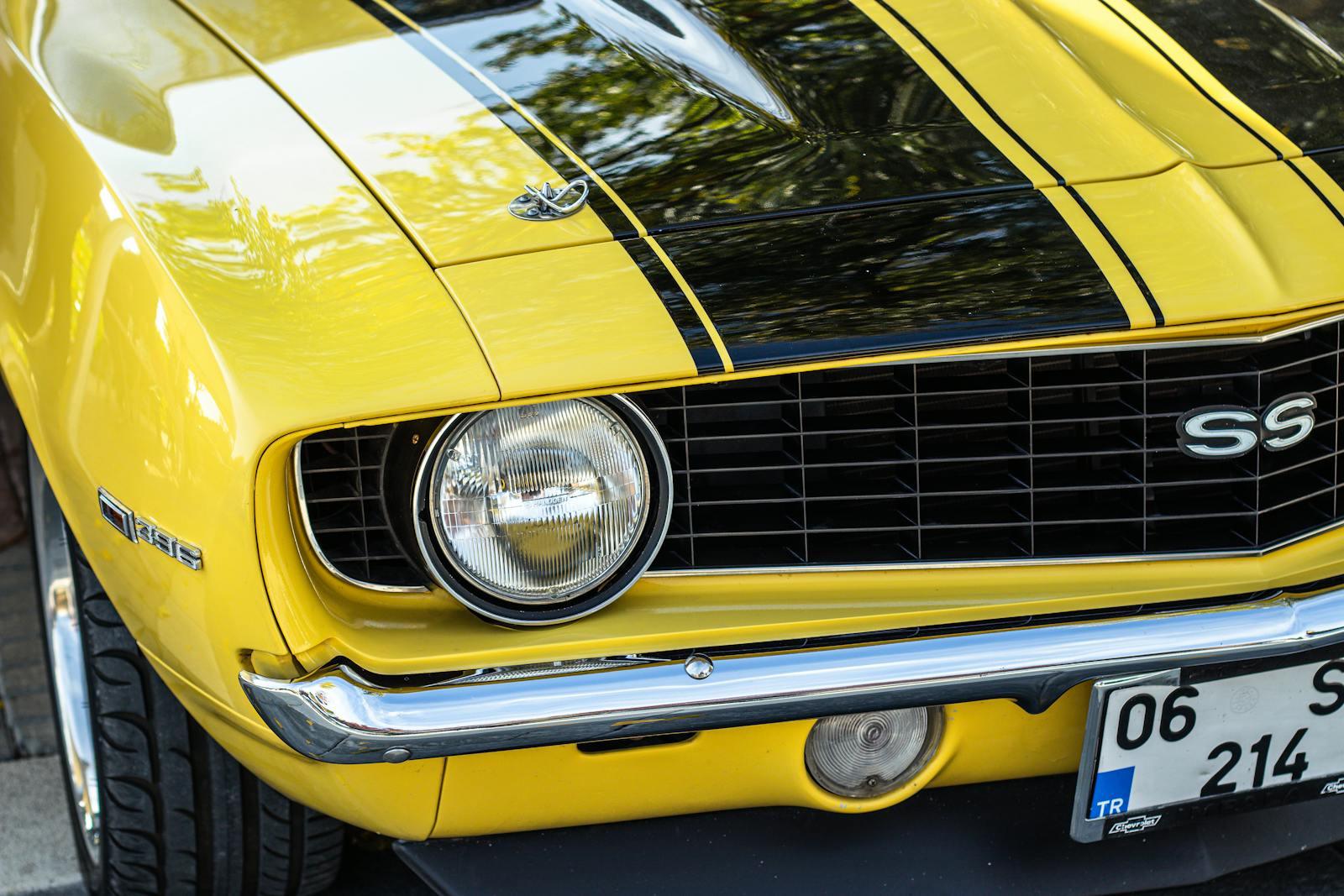

A car enthusiast is facing a familiar dilemma that has tested countless relationships between gearheads and their significant others. His project Camaro, which has consumed years of restoration work and substantial financial investment, has become a point of tension in his marriage as his wife repeatedly calls it a money pit and wants him to sell it.
The situation highlights a common struggle in the car community where project vehicles drain resources and garage space while partners question whether the investment is worth the return. The frustration around project car ownership and the money pit label is something many enthusiasts deal with, especially when criticism comes from those closest to them.
This case raises questions about how much money and time is too much when restoring a classic muscle car. The driver now must weigh the emotional attachment to his Camaro against the financial reality his wife keeps pointing out, along with the strain it places on their relationship.
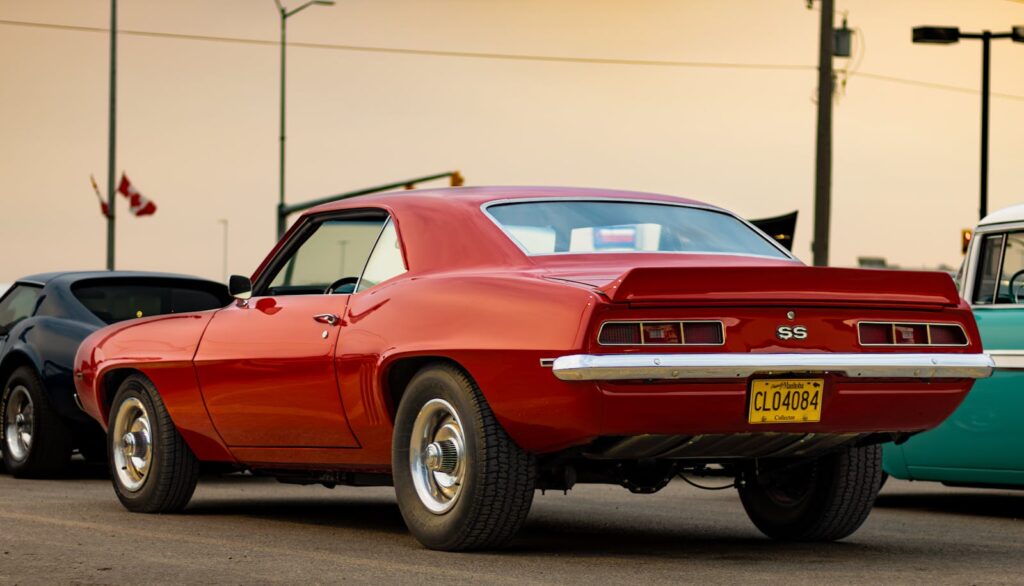
Why The Project Camaro Is Called a Money Pit
Classic car restoration projects often earn the “money pit” label when expenses spiral beyond initial expectations. The reality of maintaining an unfinished Camaro stretches household budgets thin while delivering little visible progress for years of investment.
Restoration Costs Over The Years
Project cars can quickly become expensive as the true scope of work reveals itself. What starts as a $2,800 purchase price balloons when factoring in replacement parts, sheet metal, and specialized labor. A 1968 Camaro restoration typically requires quarter panel replacements, trunk floor installations, roof repairs, and extensive bodywork before even addressing mechanical components.
The expenses don’t stop at body panels. Missing engines, transmissions, and crossmembers all demand attention. Reproduction parts for first-generation Camaros carry premium pricing in today’s market. Paint and primer work alone can cost thousands when done professionally. Chemical dipping processes that remove all paint and rust represent expensive first steps in serious restorations.
Unexpected discoveries during disassembly frequently add to the financial burden. Previous owners’ questionable repair work often needs correction before moving forward.
Balancing Passion and Finances
The emotional attachment to a classic Camaro creates tension when practical finances suggest selling. Owners who love their 1967 Camaros describe the car as part of their identity despite ongoing expenses. This passion clashes with household budget realities when one spouse sees mounting bills without a drivable vehicle in return.
Wives watching years pass without completion understandably question the investment. The driver’s “car-guy calculations” often exist outside normal financial logic. He sees potential where she sees drain on family resources. Every new part purchase becomes a point of friction when the garage holds an immobile project instead of a functional vehicle.
Economic Warning Signs That Make the Decision Harder
Multiple red flags indicate when a project has crossed into money pit territory. Recalls, service bulletins, and out-of-warranty problems compound financial stress on newer Camaros. Older restoration projects face different warning signs: when annual repair costs exceed potential car payments on a newer vehicle, the math stops working.
The absence of a completion timeline creates uncertainty. Parts sitting in boxes for years represent sunk costs without progress. When the project consumes garage space needed for daily drivers, practical concerns mount. Financial strain becomes obvious when other household expenses get postponed to fund car parts.
The Emotional Value Of Keeping Or Losing The Camaro
Project cars carry weight beyond their metal and engines, tying owners to memories of youth, family sacrifices, and dreams deferred for decades. The tension between preserving automotive history and facing practical financial realities creates conflict in many households.
Family History And Sentimental Attachments
Classic Camaros often represent more than transportation. They connect owners to specific moments in their lives or family members who influenced their passion for cars. Some enthusiasts remember their fathers selling beloved Camaros to raise young families, sacrificing personal dreams for practical needs.
The emotional attachment runs deep when a project car becomes intertwined with relationship history. Forum discussions reveal that some wives actively participate in restoration, attending shows and helping detail vehicles before events. These partners view the cars as shared hobbies rather than financial burdens.
Other spouses see project cars differently, especially when restoration stretches across years without completion. The gap between an owner’s vision and a partner’s frustration grows wider as invoices pile up and garage space remains occupied by disassembled parts.
Classic Car Dreams Versus Retirement Concerns
The financial reality of restoration projects clashes with long-term planning needs. Money spent on performance upgrades, bodywork, and period-correct parts could fund retirement accounts or emergency savings instead. Wives pointing out these trade-offs aren’t being unsupportive—they’re watching household finances stretch thinner as project timelines extend indefinitely.
Some owners invest in risky assets like crypto hoping to fund their builds, creating additional tension when markets fluctuate. The promise of “just one more part” turns into thousands of dollars over months or years. Parts that seemed affordable individually add up to significant sums that couples could use for vacations, home improvements, or securing their financial future.
The disconnect intensifies when one partner works extra hours to support a household while the other dedicates weekends to a car that hasn’t run in years.
Well-Known Camaro Stories: marina blue camaro
The story of a 1967 marina blue Chevrolet Camaro illustrates both sides of the restoration debate. Earl Guynes sold his beloved Camaro over 41 years ago to support his family, putting practical needs ahead of personal desires. His son Jared spent two years secretly restoring that exact marina blue Camaro, buying it back and returning it to his father.
The reunion demonstrated how these cars represent sacrifices made for family. Earl chose his children’s wellbeing over keeping a dream car, showing the maturity that partnership sometimes demands. Decades later, his son honored that sacrifice by reversing it, proving the emotional value never disappeared despite years of separation.
Not every Camaro story ends with such resolution. Many sit partially restored while marriages strain under the weight of competing priorities and different definitions of what matters most.
More from Steel Horse Rides: