
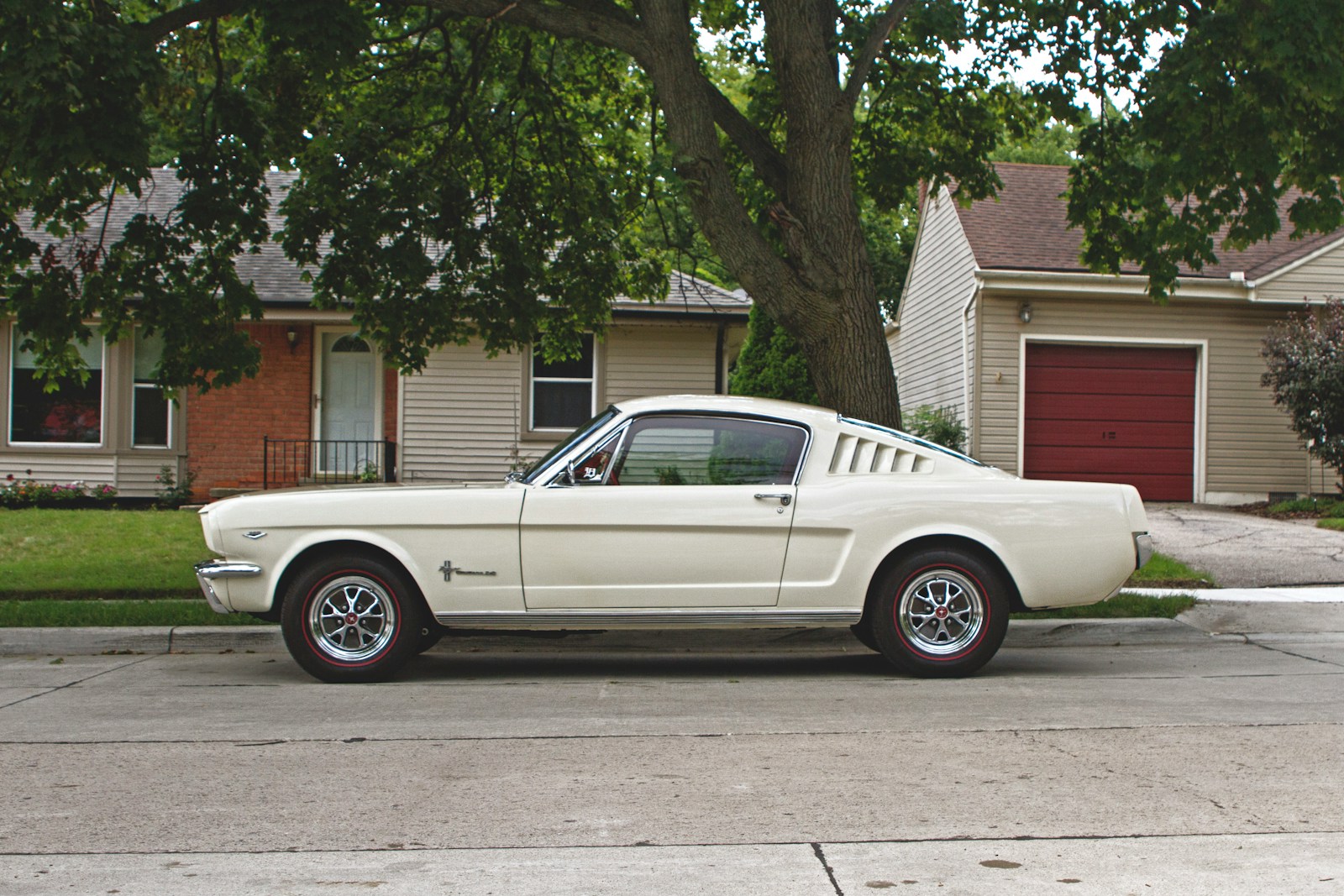

A driver finds himself caught between two opposing views of his prized classic car. His wife considers it a burden taking up space in the garage with little value. Meanwhile, collectors regularly stop to inquire about purchasing it, recognizing something she doesn’t see.
The disconnect between a spouse’s dismissal and collector interest reveals how classic car values remain misunderstood, even when the market signals strong demand. The situation mirrors common tensions between classic car enthusiasts and their skeptical partners, where one person sees a liability while the other recognizes an asset.
The clash highlights broader questions about what makes certain classics valuable while others depreciate. When strangers keep asking to buy something a spouse wants gone, it creates an awkward situation that forces difficult conversations about worth, hobby spaces, and who gets to decide what stays or goes.
Why Some See Classic Cars As Worthless While Others See Value
The divide between those who view classic cars as valuable investments and those who see them as money pits often comes down to personal experience, knowledge of the collector market, and emotional connection to automotive history.
Perceptions of Value Among Family Members
Family disagreements about classic car worth frequently stem from different priorities and perspectives on spending. A spouse might see a vintage vehicle sitting in the garage as a depreciating asset that drains household funds through maintenance costs, insurance, and storage needs. They calculate the money spent on parts and restoration against what the car could sell for today.
The owner, however, often sees potential appreciation and emotional value that’s harder to quantify. They notice when strangers stop to admire the vehicle or ask about purchasing it, which reinforces their belief in its worth. This disconnect becomes particularly stark when classic car ownership myths cloud judgment on both sides.
The financial reality often falls somewhere between these views. Many Corvette owners discover their vehicles appreciate modestly over time, while others find certain model years stagnate in value.
Collector Enthusiasm: What Drives Classic Car Interest
Collectors stop and ask about purchasing specific vehicles because they recognize characteristics that signal value in the marketplace. Emotional appeal, cultural significance, and nostalgia drive much of this interest rather than pure investment logic.
Desirability matters more than rarity alone when determining which cars attract serious buyers. A well-maintained example of an iconic model generates more collector enthusiasm than an obscure vehicle, even if fewer of the latter were produced. Corvette ownership, for instance, carries cachet because these cars represent American sports car heritage.
The enthusiast community keeps certain models relevant through shows, clubs, and online forums. When multiple collectors approach an owner about buying their car, it demonstrates active market demand that non-enthusiasts might not recognize.
Factors That Influence Classic Car Worth
Production numbers play a crucial role in determining value, as exclusivity drives collector interest. The Corvette C4 produced over 350,000 units, which diluted its collectibility despite being a capable sports car. Limited-run models or rare trim packages command premium prices.
Key value factors include:
- Original condition and matching numbers
- Historical significance or racing pedigree
- Design appeal and driving experience
- Documentation and provenance
- Market trends and generational preferences
Performance and design quality separate cars that appreciate from those that stagnate. Models with questionable aesthetics or underwhelming performance struggle regardless of age. The current market also shows certain vintage models losing value in 2025 as collector preferences shift.
Timing matters too, as cars often dip in value before gaining appreciation decades later when they become truly vintage.
When Collectors Want What Your Spouse Doesn’t Appreciate
Enthusiasts frequently encounter a disconnect where strangers recognize the value of their vehicles while their partners remain unconvinced. Classic Corvettes particularly attract unsolicited offers from collectors who spot them in driveways or parking lots.
Stories From Corvette Owners: Collectors Stopping to Make Offers
Owners of C3 Corvettes regularly report strangers knocking on their doors with cash offers. One driver mentioned people leaving handwritten notes under his windshield wipers every few months asking if the car was available. Car collectors often pursue vehicles despite spousal skepticism, creating tension when partners see only a depreciating asset.
C8 Corvette owners describe being approached at gas stations by enthusiasts eager to discuss specs and potential purchase prices. The mid-engine design draws crowds wherever it parks. Some wives don’t quite understand the passion that drives this collector interest, viewing the constant attention as validation of an expensive hobby rather than proof of value.
Corvette Z06 models from various generations attract particularly persistent offers. Drivers report receiving business cards from dealers and collectors who track them down through license plate searches after brief encounters.
How Modifications and Rarity Impact Interest
Cars equipped with rare powertrains like the 99 LS1 command premium attention from knowledgeable collectors. Factory-original examples trigger more aggressive pursuit than modified versions, though tasteful upgrades can still generate interest.
Limited production models face the most frequent purchase attempts. The C7 Corvette ZR1 stops traffic due to its distinctive aerodynamics and reputation as the last front-engine ZR1. Collectors recognize these vehicles immediately and approach owners with serious offers that spouses often dismiss as irrelevant unless the car is actually being sold.
Corvette concepts and special editions like pace car replicas draw attention at intersections. Even the unusual Corvette ramp truck has dedicated followers who track down examples and make unsolicited offers despite the vehicle’s utilitarian purpose.
Understanding Specific Models That Draw Crowds
First-generation C3 Corvettes from 1968-1972 with chrome bumpers receive constant inquiries. Their iconic shape makes them instantly recognizable to collectors cruising neighborhoods looking for barn finds or garage queens.
The C8 Corvette generates stops from both serious collectors and curious onlookers who’ve never seen the mid-engine layout in person. Owners report answering the same questions repeatedly about performance specs and ordering processes. Their partners often view this attention as confirming the car’s impracticality rather than its collectibility.
Special variants like the Corvette Z06 with manual transmissions attract purists who understand these combinations won’t be replicated in future model years. Collectors recognize which option packages and color combinations will appreciate, even when spouses see no special value beyond basic transportation.
More from Steel Horse Rides: