
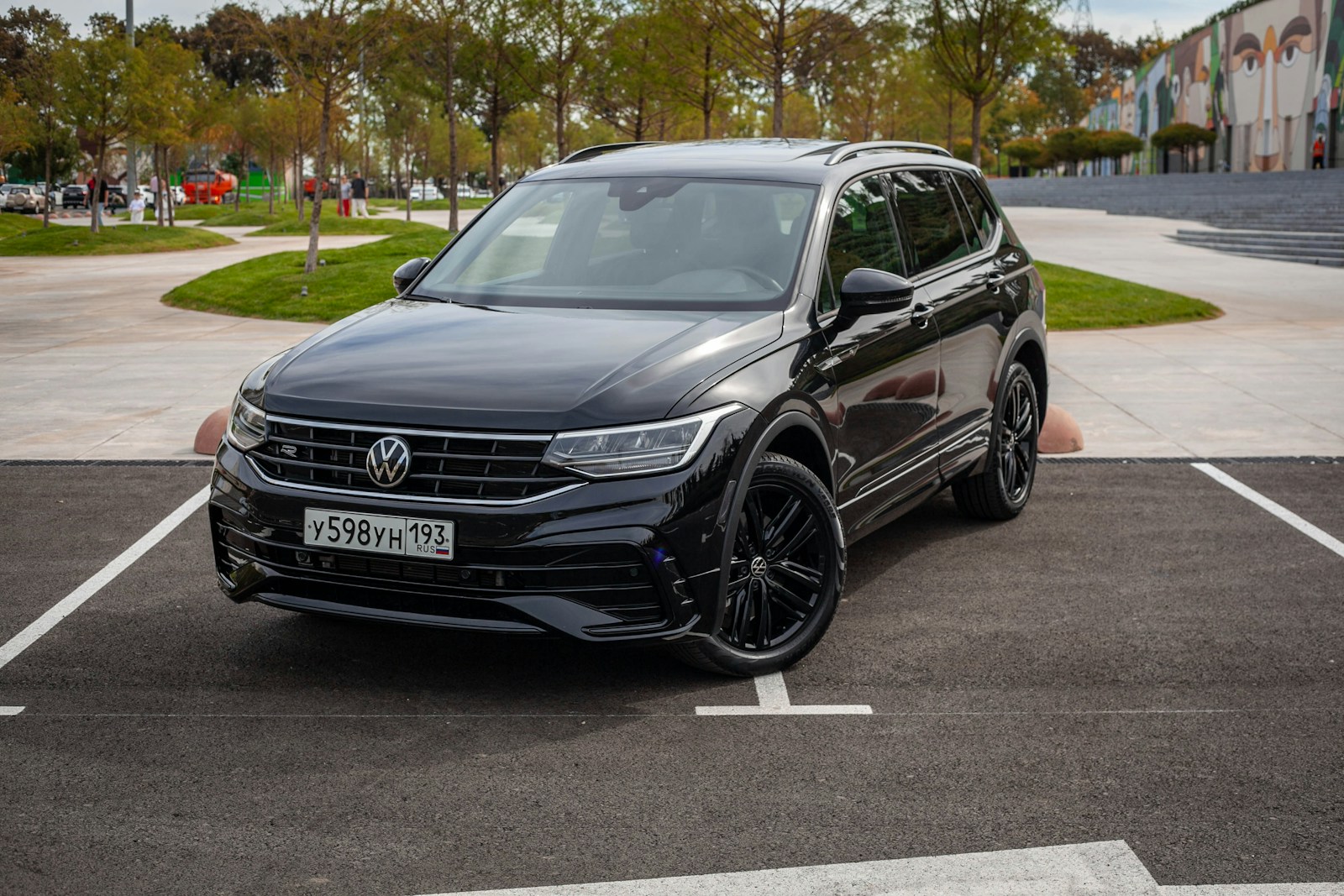

The Volkswagen Atlas has undergone a significant transformation that’s worth the attention of anyone shopping for a family-friendly SUV. The 2024 model year brought a major refresh to the three-row Atlas, featuring upgraded interior materials, enhanced technology including a standard 12-inch display, and improved comfort features like three-zone climate control and ventilated front seats. This wasn’t just a minor facelift—Volkswagen overhauled key aspects of their midsize SUV to keep it competitive in an increasingly crowded market.
The changes extend beyond just the 2024 refresh. The Atlas lineup continues evolving through 2025 and 2026 with additional refinements that build on the foundation established in the major update. For families seeking a spacious seven-seater with modern amenities, these updates address many of the concerns that previously held the Atlas back from segment leadership.
From powertrain improvements to cabin upgrades and the latest driver assistance technology, the refreshed Atlas represents Volkswagen’s commitment to staying relevant in the competitive SUV space. Understanding what changed and how it compares to rivals helps potential buyers determine if this renewed Atlas deserves a spot on their shopping list.
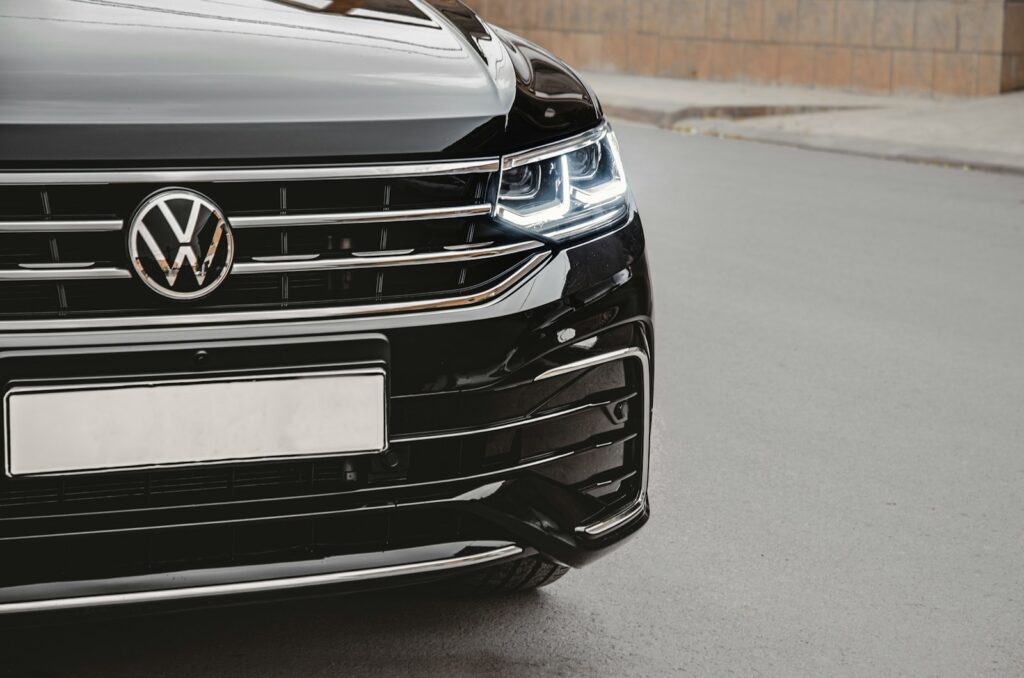
What’s New for the Volkswagen Atlas SUV Refresh
Volkswagen has introduced meaningful updates to the Atlas lineup, including refined styling, enhanced technology, and powertrain improvements that position the three-row SUV as a stronger competitor in the midsize segment. The changes span both exterior and interior design elements, along with mechanical enhancements and updated trim configurations.
2026 Atlas Versus 2027 Atlas: Key Updates and Redesign
The 2026 Volkswagen Atlas remains largely consistent with the 2024 redesign, carrying over the turbocharged engine and upgraded interior features. However, Volkswagen is preparing a more substantial transformation for the next generation.
The upcoming redesign will mark the second generation of the Atlas platform. Spy photos captured in the Austrian Alps reveal a vehicle undergoing significant testing ahead of its debut.
This timing creates an interesting scenario for shoppers deciding between the current 2026 model and waiting for the next-generation vehicle. The 2026 Atlas keeps the same look and technologies introduced during the recent refresh, while the successor promises more dramatic changes to design and capability.
Exterior and Interior Design Changes
The current Atlas features evolutionary updates, while the next-generation model showcases a streamlined design approach with notable departures from the existing aesthetic. At the front, redesigned LED headlamps integrate seamlessly into the upper grille with a layered appearance that creates a modern look.
The side profile adopts less pronounced fenders and a higher, more subtle character line. Retractable door handles replace the traditional units, and larger rear quarter glass enhances visibility.
Inside, the cabin is expected to mirror newer Volkswagen models with a digital cockpit and a prominent 15-inch touchscreen. The system includes wireless Apple CarPlay and Android Auto integration. The updated dashboard design prioritizes user-friendly controls and premium materials that elevate the interior experience beyond the current generation.
Performance Upgrades: Engine, Drivetrain, and Transmission
The current Atlas uses a turbocharged 2.0 TSI engine paired with an 8-speed automatic transmission. This powertrain delivers 269 horsepower and represents a shift away from the larger displacement engines previously offered.
Front-wheel drive serves as the standard configuration on base models, with all-wheel drive available on higher trims. The setup provides adequate capability for most driving situations while maintaining reasonable fuel efficiency.
Future iterations may introduce hybrid or plug-in hybrid options. Taking cues from European models, a PHEV configuration could include a 19.7 kWh battery offering up to 62 miles of electric range with 268 horsepower total output. The Atlas maintains a towing capacity of 5,000 pounds, making it suitable for families with recreational equipment.
Refined Trims and Notable Features
The Atlas lineup maintains a straightforward trim structure that emphasizes value and practicality. The SE with Technology trim level includes enhanced connectivity features and driver assistance systems that were previously reserved for higher-end models.
New features include park assist technology that allows remote parking via smartphone app. Drivers can guide the vehicle into parking spots from outside, adding convenience in tight spaces.
The spacious cabin layout accommodates up to seven passengers across three rows, with flexible seating configurations. A massive panoramic glass roof brightens the interior and creates an airier feel throughout the cabin. Standard amenities like the HomeLink mirror integrate seamlessly into the overall package, providing practical benefits without overwhelming complexity.
Modern Tech, Comfort, and Competitors
The refreshed Atlas brings Volkswagen’s latest digital features into the cabin while maintaining the spacious interior families expect. The SUV now faces stiff competition from popular three-row rivals that have raised the bar for technology and refinement.
Infotainment and Connectivity Enhancements
The 2025 Atlas features a 12-inch digital cockpit display and an updated infotainment touchscreen with wireless Apple CarPlay and Android Auto. The system responds more quickly than the previous generation’s interface, addressing a common complaint from earlier models.
Volkswagen added multiple USB-C ports throughout the cabin to keep devices charged on long trips. Enhanced voice controls allow drivers to adjust climate settings, navigation, and media without taking their hands off the wheel. The available Fender premium audio system delivers clear sound across all three rows.
Higher trims include wireless charging and a Wi-Fi hotspot for passengers. The cutting-edge tech package represents a significant upgrade from the outgoing model’s sometimes sluggish infotainment experience.
Improved Cabin Comfort and Cargo Space
The Atlas remains one of the roomiest mainstream midsize SUVs, with generous space in all three rows. Adults can sit comfortably in the third row without feeling cramped, a rarity in this segment.
Cargo capacity reaches approximately 20.6 cubic feet behind the third row. That expands to 96.8 cubic feet with all seats folded flat, making it nearly class-leading for hauling gear. Three-zone automatic climate control comes standard, ensuring all passengers stay comfortable.
Premium trims offer ventilated and heated front seats along with heated rear seats. The panoramic sunroof brightens the cabin and makes the interior feel even more spacious.
Comparing the Atlas with Kia Telluride, Honda Pilot, and Mazda CX-90
The Kia Telluride has become a segment favorite with its upscale interior and strong value proposition. It matches the Atlas in cargo space but offers more standard features at lower price points.
The Honda Pilot recently received its own redesign with improved tech and a more refined driving experience. It’s known for exceptional reliability and holds its value better than the Atlas historically.
The Mazda CX-90 brings a more premium feel with its turbocharged inline-six engine and luxurious materials. However, it offers less third-row space than the Atlas and carries a higher starting price.
The Atlas competes against the Toyota Highlander and Ford Explorer as well, though it emphasizes interior volume over fuel efficiency or performance.
More from Steel Horse Rides: