


Hyundai just made a move that’s turning heads in the automotive industry, and it involves bringing premium audio technology to one of the most budget-friendly electric vehicles on the market. The Korean automaker announced it’s including Dolby Atmos spatial audio as standard equipment across all trim levels of its new Elexio electric SUV, priced between $16,800 and $21,000.
The announcement caught buyers and industry watchers off guard. Dolby Atmos is typically reserved for high-end luxury vehicles with price tags well into the six-figure range, not entry-level EVs that cost less than many used cars.
This unexpected upgrade reflects a broader trend where Hyundai is pushing luxury-level technology into affordable electric vehicles. The move challenges traditional assumptions about what buyers should expect at different price points and sets a new benchmark for what “affordable” can actually deliver.
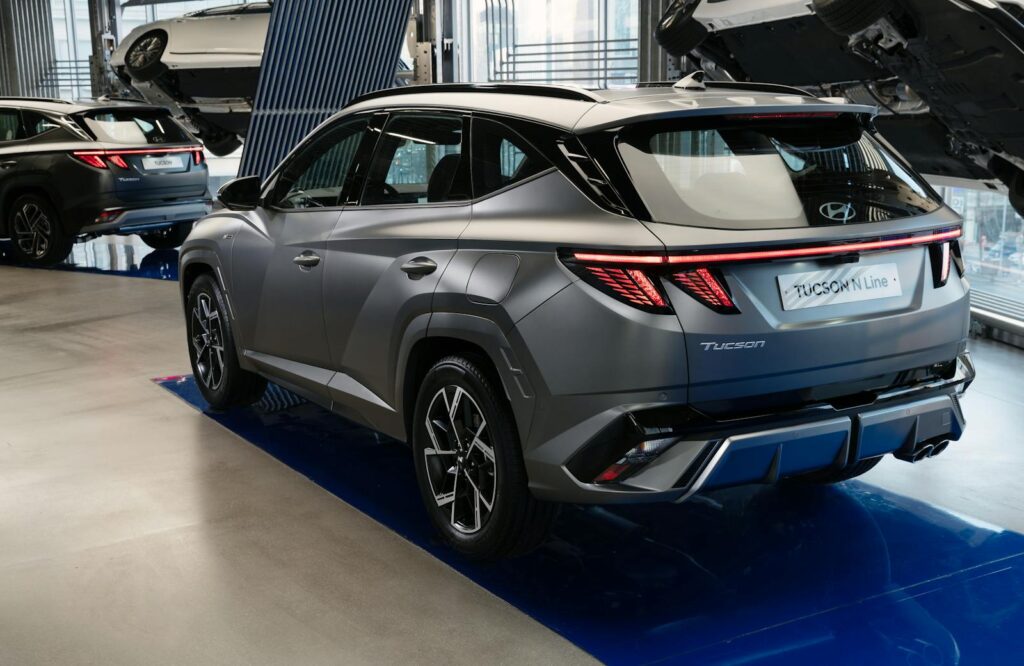
How Hyundai’s Most Affordable EV Is Setting a Luxury Benchmark
Hyundai’s Elexio electric SUV is flipping the script on what budget-conscious EV buyers can expect. The automaker is bundling premium audio technology and upscale features into a vehicle priced thousands below what most people associate with luxury equipment.
Dolby Atmos Audio: Redefining Cabin Experience
The Hyundai Elexio includes Dolby Atmos spatial audio as standard equipment across all trim levels. This marks the first time the premium audio technology has appeared in a vehicle at this price point.
Dolby Atmos creates a three-dimensional sound environment that places audio above, around, and beside passengers. The technology has been exclusive to high-end vehicles and luxury brands until now.
The Korean automaker didn’t make Dolby Atmos an optional upgrade or reserve it for top-tier models. Every Elexio buyer gets the spatial audio system regardless of which trim they choose. This democratizes a feature that typically adds thousands to a vehicle’s price tag.
Breaking the Price Barrier: Luxury at an Unexpected Price
The Elexio’s pricing structure represents a significant departure from industry norms. Hyundai positioned the electric SUV between RMB 119,800 and 149,800, which translates to approximately $16,800 to $21,000.
That price point sits well below the $50,000 threshold where buyers typically find advanced tech features. The automaker is delivering luxury-grade equipment at a fraction of what competitors charge for similar capabilities.
This pricing strategy challenges the assumption that premium features require premium prices. Hyundai’s approach makes previously exclusive technology accessible to a broader range of buyers.
Hyundai Elexio Electric SUV: Details and Features
The Elexio represents Hyundai’s push into the affordable EV segment with unexpected refinements. The electric SUV combines practical transportation with features typically found in more expensive vehicles.
Beyond the Dolby Atmos system, the Elexio arrives with modern connectivity and a user experience that rivals pricier competitors. The automaker focused on delivering technology that matters to daily driving rather than gimmicks.
The vehicle’s position in Hyundai’s lineup shows the company’s commitment to making electric vehicles more accessible. By including premium features as standard equipment, they’re removing the usual trade-offs buyers face when shopping in the budget EV category.
Upgraded Tech and Infotainment Systems in Hyundai’s Entry-Level EVs
Hyundai’s budget-friendly electric vehicles are receiving substantial infotainment upgrades that bring features previously reserved for premium models. The company is equipping its entry-level EVs with advanced digital cockpits and seamless connectivity options.
Next-Level Infotainment Systems and Wireless Integration
The affordable Hyundai EV lineup now features the Connected Car Navigation Cockpit (ccNC) infotainment system across multiple models. This system includes a 12.3-inch touchscreen that delivers responsive performance and intuitive controls.
The IONIQ 9’s infotainment setup demonstrates how Hyundai is standardizing premium tech in their electric vehicle range. Wireless integration has become a focal point, eliminating the need for cables while driving.
The infotainment system connects seamlessly with smartphones and provides real-time navigation updates. Drivers can access vehicle settings, climate controls, and entertainment options through the central display. Voice commands allow hands-free operation of key functions.
Apple CarPlay and Digital Experiences
Apple CarPlay comes standard in Hyundai’s entry-level electric vehicles, providing iPhone users with familiar interfaces. The wireless implementation means drivers can access their apps, messages, and music without plugging in their devices.
Android Auto receives equal treatment, ensuring both major smartphone ecosystems work flawlessly. The digital experience extends beyond phone mirroring with native apps for charging station locations and energy consumption tracking. Over-the-air updates keep the infotainment system current with new features and improvements.
Comparing Upgrades: Elexio, Ioniq 3, Ioniq 5, and Ioniq 6
The Ioniq 5 and Ioniq 6 share similar infotainment architectures with dual-screen setups that separate driver information from entertainment controls. Both models feature the same 12.3-inch displays but differ in their interior layouts and screen positioning.
The upcoming Ioniq 3 is expected to receive comparable technology despite its lower price point. Hyundai hasn’t confirmed whether the Elexio will match these specifications, though the brand’s recent pattern suggests extensive tech standardization across their EV lineup.
All models include USB-C ports, wireless charging pads, and Bluetooth multi-device pairing. The key differences lie in premium audio options and advanced driver assistance features rather than core infotainment capabilities.
More from Steel Horse Rides:
- 13 Most Powerful Muscle Cars of All Time
- 13 Underrated JDM Cars That Deserve More Love
- 15 JDM Cars That Were Illegal in the U.S.
- 13 SUVs From the ’90s That Are Surprisingly Cool Today