


Your car can now update itself while sitting in the driveway, much like a smartphone downloads new features overnight. Over-the-air updates send software upgrades directly to vehicles through wireless connections, eliminating trips to the dealership for many improvements.
Most major automakers have embraced this technology, transforming cars from static machines into evolving platforms that get better with time. The shift means vehicles can receive everything from bug fixes and performance tweaks to entirely new features months or years after leaving the factory floor.
What started as a convenience feature has grown into something more significant. The technology is changing how people think about car ownership, maintenance schedules, and even the value of their vehicles over time. Modern cars are moving forward in digital ways even when parked, raising questions about what it means to truly own a vehicle in 2026.
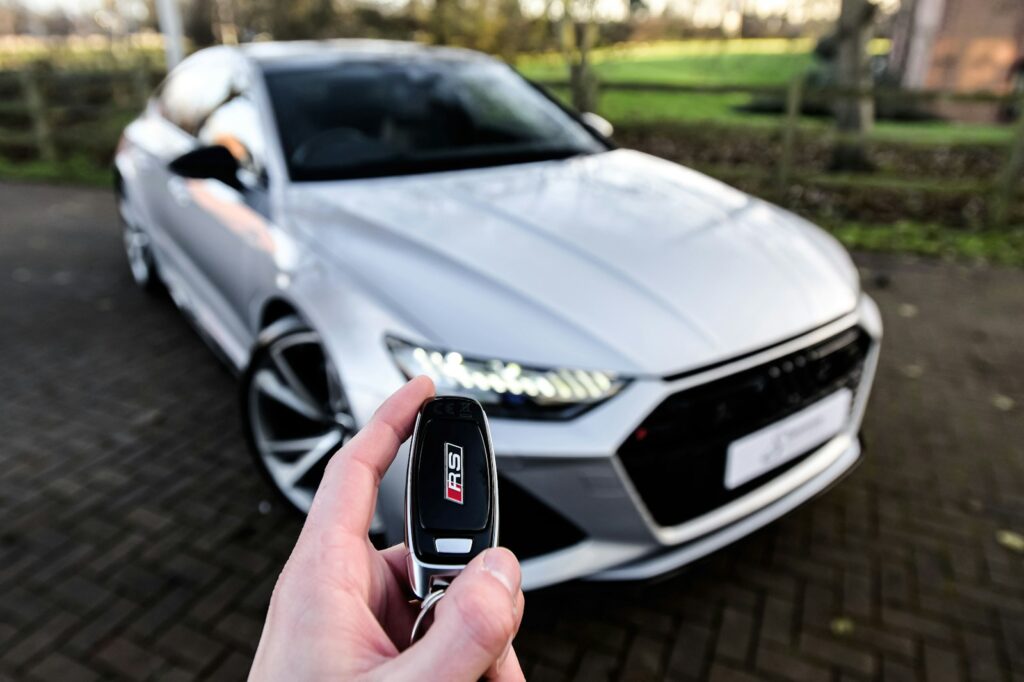
How Over-the-Air Updates Are Reshaping New Car Ownership
Modern vehicles are becoming software platforms on wheels, with manufacturers pushing updates directly to cars parked in driveways. This shift is fundamentally altering what it means to own a vehicle, from how bugs get fixed to whether the car a driver bought today will be the same one they drive six months from now.
Instant Bug Fixes and Feature Unlocks
Gone are the days when a glitchy infotainment system or faulty sensor meant scheduling a dealership appointment. Manufacturers now push bug fixes remotely, often while owners sleep. Tesla pioneered this approach, but traditional automakers have quickly followed suit.
The real transformation comes with feature unlocks. Some manufacturers sell vehicles with hardware already installed but software-locked. Owners can purchase features like heated seats, advanced driver assistance capabilities, or performance boosts months or years after the initial purchase. BMW tested subscription-based heated seats in some markets, though customer backlash led to changes in their approach.
This model has created controversy. Critics argue that paying extra to unlock hardware already in the car feels like renting rather than owning. Supporters point out that it keeps initial vehicle prices lower and allows buyers to add features as their budgets allow. The practice remains divisive among car owners.
Infotainment System Upgrades and Navigation Improvements
Infotainment systems and navigation features receive regular refreshes through OTA updates, keeping them from feeling outdated. New interface designs, updated mapping data, and additional app integrations arrive without hardware replacements.
Rivian and Polestar have pushed major interface redesigns to existing vehicles, completely changing how drivers interact with their cars. Navigation systems receive real-time traffic data improvements and new routing algorithms. Some vehicles have gained support for Android Auto or Apple CarPlay through updates alone.
These changes mean a five-year-old car can feel significantly different from when it was purchased. The dashboard display that seemed cutting-edge at purchase continues evolving, though hardware limitations eventually create boundaries that software cannot overcome.
Changing the Meaning of ‘Ownership’ With Software-Defined Vehicles
Software-defined vehicles represent a fundamental shift in what buyers actually purchase. The physical car becomes a platform, with its capabilities determined by code that manufacturers control remotely.
This creates new dynamics between owners and manufacturers. Companies maintain ongoing relationships with buyers through regular updates, but they also retain significant control over vehicle functionality. Features can be added, modified, or theoretically removed through remote updates.
The automotive over-the-air update market is projected to reach approximately $15.8 billion by 2030, reflecting how central this technology has become. Electric vehicles particularly depend on this model, with roughly 90% software dependency making OTA updates essential for battery management, performance optimization, and safety enhancements.
Buyers are purchasing vehicles that evolve rather than static products. Whether that evolution serves owners’ interests or manufacturers’ revenue goals remains an open question as this technology matures.
What Makes OTA Updates Possible and What to Expect Next
Modern vehicles rely on embedded cellular and Wi-Fi connectivity that allows automakers to push software wirelessly, while constantly collecting data from millions of miles driven to refine features and fix problems before they become widespread.
Connected Cars: Telematics Control Units and Connectivity
At the heart of automotive OTA capability sits the telematics control unit, a small computer that handles wireless communication between the vehicle and the manufacturer’s servers. This hardware acts as the gateway for all over-the-air transmissions, managing both outgoing vehicle data and incoming software packages.
Most connected cars today use either built-in cellular modems or Wi-Fi to maintain a constant link to automakers’ cloud platforms. The telematics control unit coordinates with various electronic control units throughout the vehicle, ensuring updates reach the right systems—whether that’s the infotainment screen, battery management, or driver assistance features. Without this always-on connectivity, software-defined vehicles would still require dealership visits for every software improvement.
The shift toward this connected architecture has fundamentally changed how cars are designed. Automakers now build vehicles with the expectation that features will evolve after purchase, which requires more computing power and network bandwidth than older models ever needed.
Real-World Driving Data and Smarter Features
Manufacturers collect real-world driving data from their fleets to identify patterns, diagnose issues, and develop better features. This continuous feedback loop allows them to understand how vehicles perform across different climates, road conditions, and driver behaviors.
Tesla pioneered this approach by using fleet data to improve autopilot algorithms and battery efficiency. Other automakers have followed, using anonymized telemetry to refine adaptive cruise control responsiveness, optimize regenerative braking, and even push emergency range-boost updates during natural disasters.
The data also reveals problems before they trigger widespread recalls. If sensors show unusual patterns in a specific component across thousands of vehicles, engineers can develop a fix and deploy it wirelessly within days rather than months.
Security, Bug Fixes, and Safe Update Delivery
Cybersecurity has become one of the biggest challenges in automotive OTA deployment. Automakers implement secure boot processes that verify each update’s authenticity before installation, preventing unauthorized code from running on critical vehicle systems.
Bug fixes now arrive faster than traditional recall timelines. When glitches appear in infotainment systems, navigation apps, or sensor calibration, manufacturers can patch bugs remotely without requiring customers to schedule service appointments. This speed matters especially for safety-related issues that might affect braking assistance or collision avoidance.
Updates typically download in the background while the car is parked, then install when the vehicle is powered off. Most systems won’t allow critical updates during driving to avoid disrupting vehicle operation. Encryption protects the data transmission, while blockchain-style verification tracks each update’s journey from server to vehicle.
More from Steel Horse Rides: