


The used electric vehicle market is experiencing a remarkable transformation as buyers discover a middle ground between expensive new models and risky standard used cars. Certified pre-owned EVs are emerging as the optimal choice for cost-conscious shoppers in 2026, offering manufacturer-backed warranties, rigorous battery health inspections, and pricing that can undercut new models by $10,000 or more.
Thousands of lease returns from the 2023 EV boom are now flooding dealerships, but only the best-condition vehicles earn the coveted CPO designation. This creates a unique opportunity for buyers who want to avoid the steep depreciation curve of a brand-new EV without gambling on a battery’s unknown health history.
The shift is already showing up in sales data. Used EV sales are hitting record highs as skepticism about battery longevity fades and automakers sweeten their CPO programs with warranties that sometimes exceed what new car buyers receive. The combination of lower prices, better financing rates, and eligibility for the $4,000 used EV tax credit is turning certified pre-owned into the smart money play.
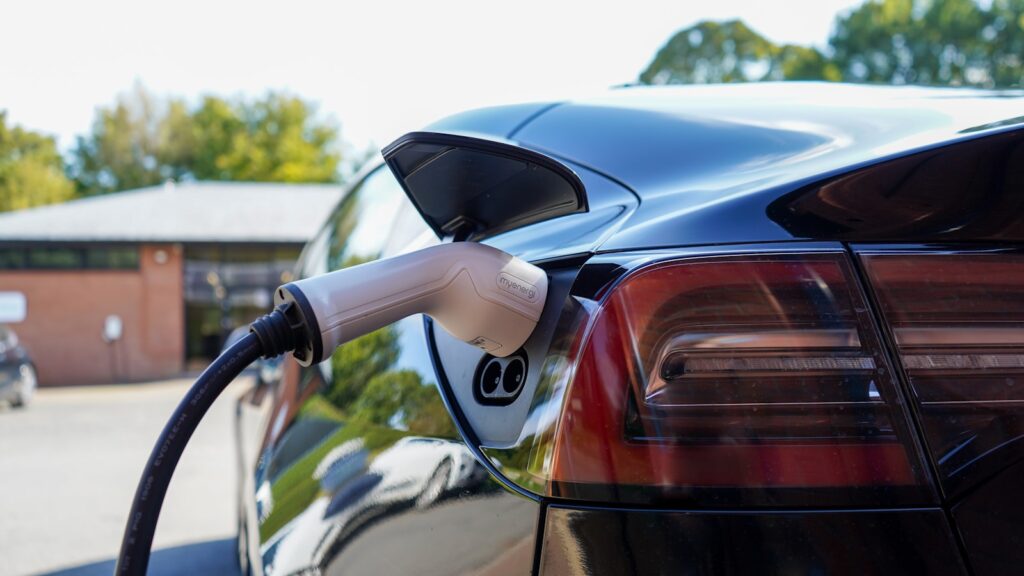
Why Certified Pre-Owned EVs Are the Sweet Spot in 2026
The timing couldn’t be better for buyers eyeing used electric cars. A massive wave of lease returns is hitting dealer lots just as battery warranties are proving their value and pricing incentives make the math work in favor of certified pre-owned over new.
The Boom in Off-Lease and Pre-Owned EV Inventory
Dealer lots are filling up fast with 2023 and 2024 model year EVs coming off their typical three-year leases. The surge traces back to the EV buying boom during the pandemic recovery period when manufacturers pushed aggressive lease deals to meet emissions targets.
Industry analysts are calling 2026 the year of the used EV as hundreds of thousands of off-lease vehicles flood the secondary market. The inventory explosion is particularly concentrated in popular models like the Hyundai Ioniq 5, Ford Mustang Mach-E, and Tesla Model 3.
This wave of lease returns is creating a buyer’s market. Dealers need to move inventory quickly, and certified pre-owned programs give them a way to command better prices than wholesale auctions while still offering substantial savings versus new. Most of these vehicles have relatively low mileage and are young enough that they still feel modern.
How Battery Health and Warranty Set CPO EVs Apart
Certified pre-owned programs require strict battery health standards that separate them from standard used EV sales. Most manufacturers mandate at least 90% battery capacity retention for CPO certification. If a lease return shows excessive degradation, dealers can’t certify it.
The warranty advantage is particularly strong with certain brands. Hyundai and Kia reinstate their 10-year/100,000-mile powertrain and battery warranty for CPO buyers, even though this coverage typically doesn’t transfer to second owners on non-certified vehicles. Ford’s Blue Advantage program adds a comprehensive 12-month/12,000-mile bumper-to-bumper warranty on top of remaining factory coverage.
At least 70 percent of EVs currently on the road are from 2023-2025, meaning most used electric vehicles still carry substantial factory battery and powertrain warranty coverage. CPO programs layer additional protection on top of this existing coverage.
Used EV Pricing and Tax Credit Advantage
Used electric vehicle prices dropped dramatically throughout 2025 and into early 2026. By August 2025, the price gap between used EVs and gasoline vehicles had narrowed to just $897—the smallest differential ever recorded.
The $4,000 used EV tax credit applies to certified pre-owned vehicles sold by franchised dealers, provided the sale price stays under $25,000. Dealers are pricing thousands of CPO Chevy Bolts and Nissan Leafs at exactly $24,995 to hit this threshold.
Falling prices and point-of-sale federal credits are fueling a surge in used electric vehicle sales, with certified pre-owned programs capturing much of the growth. CPO financing rates often run 2.9% to 3.9% compared to 9% to 10% for standard used car loans. On a $30,000 loan over 60 months, that rate difference saves buyers around $6,000 in interest payments.
What Today’s Buyers Want and the Models to Watch
The used EV market is heating up as shoppers zero in on specific models that deliver reliability, tech features, and strong resale confidence. They’re also weighing sustainability perks and hunting for financing advantages that make the jump to electric more affordable.
Top Certified Pre-Owned EV Models: Tesla, Ford, Volkswagen and More
The Tesla Model 3 has emerged as one of the most sought-after pre-owned EVs, with buyers drawn to its range, performance, and Tesla’s over-the-air software updates that keep older vehicles feeling fresh. The Tesla Model Y follows closely, appealing to families who need more cargo space without sacrificing the brand’s tech edge.
Ford’s Mustang Mach-E is gaining traction among shoppers looking for an alternative to Tesla. Its blend of American muscle branding and practical SUV utility has carved out a loyal following in the used EV market.
The Volkswagen ID.4 is also catching attention as a solid midsize electric SUV option. These models dominate EV inventory at certified pre-owned lots because many were leased EVs that are now returning to dealerships after two or three years.
Sustainability Benefits and EV Technology Features
Buyers are increasingly motivated by the environmental angle of choosing pre-owned EVs over new gas vehicles. Purchasing a used electric car extends the life of existing batteries and reduces the carbon footprint associated with manufacturing a brand-new vehicle.
The appeal also includes access to mature EV technology without the new-car premium. Many certified models come with software updates already applied, giving second owners access to improved charging speeds, enhanced autopilot features, and better battery management systems. Battery health reports are now standard in most CPO programs, addressing previous concerns about degradation.
Financing, Trade-Ins, and Getting the Best Deal
Trading in a gas-powered vehicle toward a certified pre-owned EV has become more attractive as dealerships compete for inventory. Some programs are offering competitive APR rates specifically for CPO electric vehicles, recognizing the lower maintenance costs that make these cars less risky long-term investments.
Leased EVs returning to market are creating opportunities for buyers to negotiate. Dealers are motivated to move these vehicles quickly, especially as newer model years arrive with incremental improvements. Shoppers who time their purchase around lease-return cycles often find better pricing and selection, particularly in the spring and fall when three-year leases commonly expire.
More from Steel Horse Rides:
- 13 Most Powerful Muscle Cars of All Time
- 13 Underrated JDM Cars That Deserve More Love
- 15 JDM Cars That Were Illegal in the U.S.
- 13 SUVs From the ’90s That Are Surprisingly Cool Today