
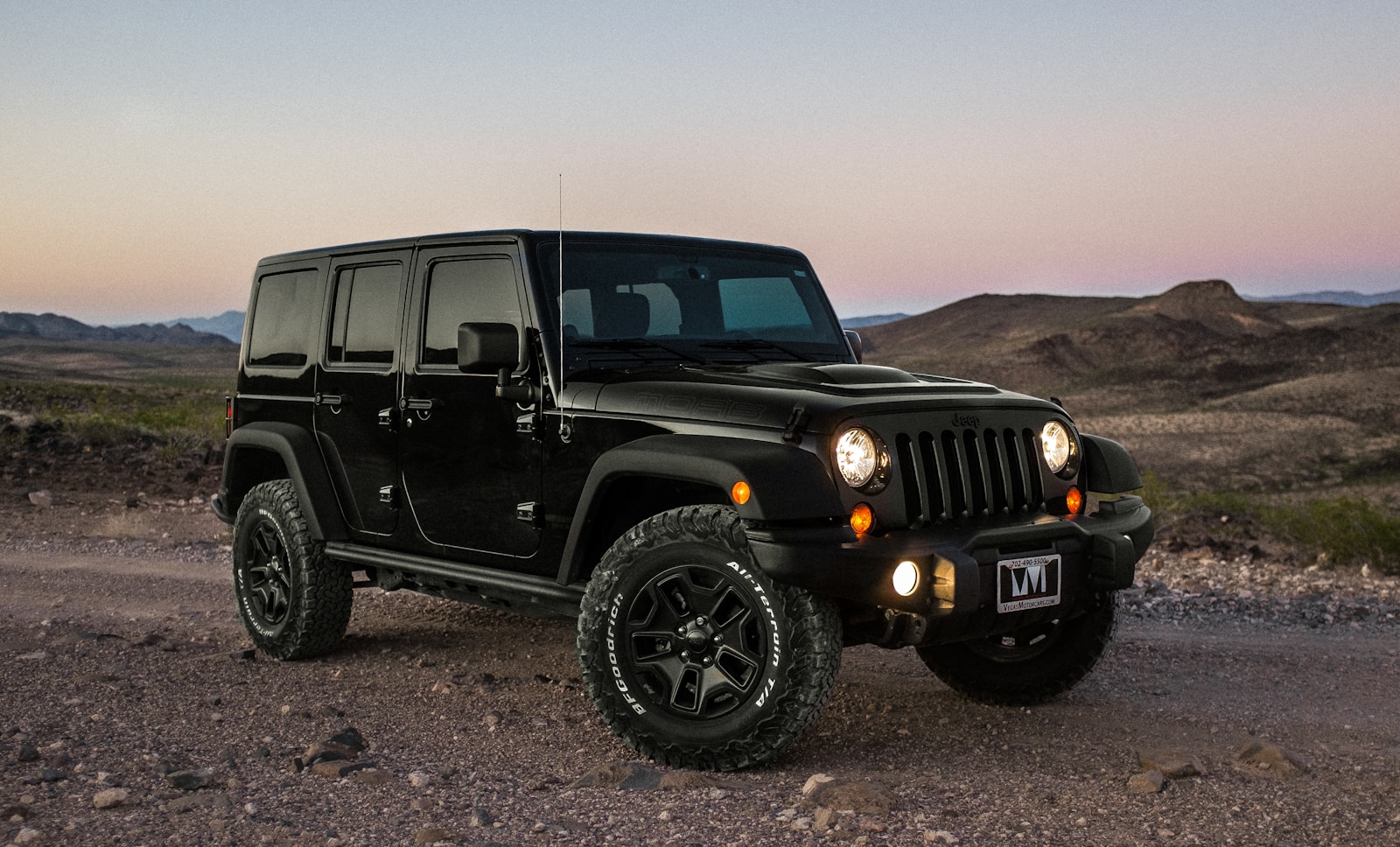

The battle between two off-road legends continues to intensify as enthusiasts debate which vehicle deserves the crown. The Ford Bronco and Jeep Wrangler have been competing for dominance in the off-road SUV market, and recent developments suggest the gap between them might be widening in unexpected ways.
While the Jeep Wrangler has long held the advantage in market presence and sales figures, the Ford Bronco has been making serious inroads with its blend of modern technology, enhanced comfort features, and competitive pricing that includes more standard equipment.
The conversation around these two vehicles has shifted from simple nostalgia to serious comparison shopping. The 2026 Bronco base model starts roughly $5,600 higher than the Wrangler Sport, but it packs a turbocharged engine with 15 more horsepower, a larger digital gauge cluster, and more standard safety features. The question now is whether technology and comfort can outweigh the Wrangler’s established reputation and loyal following.
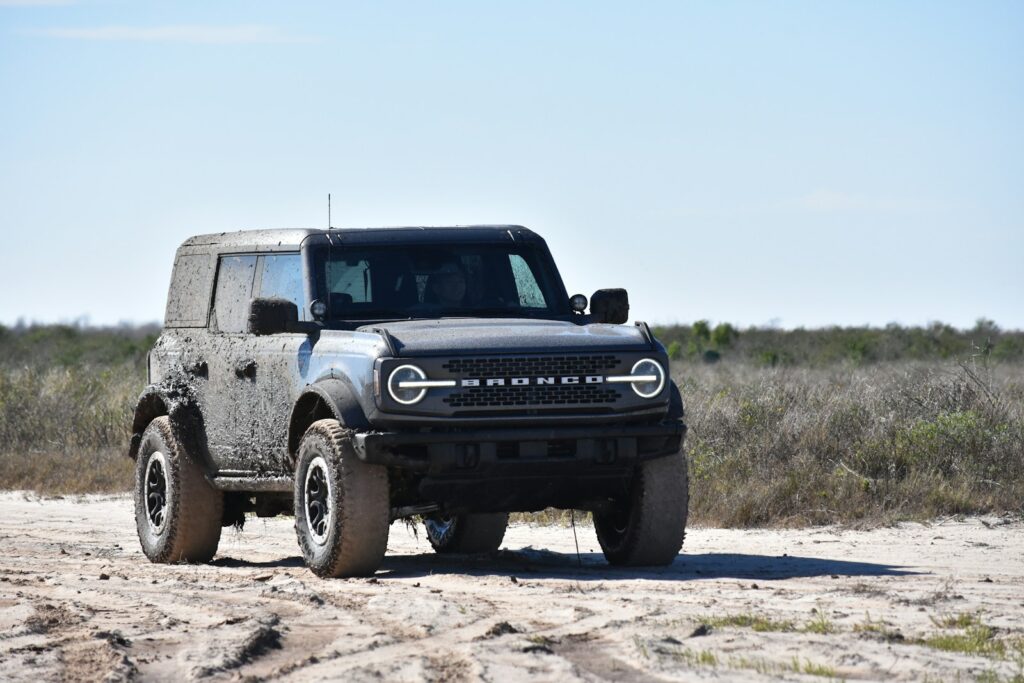
Ford Bronco vs Jeep Wrangler: Who Is Really In the Lead?
The competition between these two off-road vehicles has intensified since the Bronco’s return in 2021, with both manufacturers making bold moves to claim dominance in the segment. Market data and recent model updates reveal shifting dynamics in this ongoing rivalry.
Sales Numbers and Market Performance
The Ford Bronco made a significant splash when it returned to the market in 2020 after a decades-long absence. Its reintroduction generated massive consumer interest, with dealers reporting waitlists that stretched for months.
The Jeep Wrangler has maintained its position as the gold standard in off-road SUVs since 1986. It continues to command strong market presence with its established fan base and brand recognition. The Wrangler’s lower starting price of $38,690 compared to the Bronco’s $40,990 base model gives it an edge for budget-conscious buyers.
Both vehicles demonstrate exceptional resale values in their class. The Bronco has earned recognition for its strong value retention, while the Wrangler’s resale performance remains nearly as impressive. These metrics indicate that buyers view both off-road vehicles as solid investments that hold their worth over time.
Rugged Design and Off-Road Capability
The Wrangler leads in approach, departure, and breakover angles, giving it technical advantages in certain terrain situations. Its military-inspired appearance provides instant recognition and appeals to traditionalists who value the iconic Jeep aesthetic.
The Bronco counters with superior water fording capability and higher torque output. Ford equipped every Bronco with G.O.A.T. (Goes Over Any Type of Terrain) modes—either six or seven depending on the trim—which provide finely tuned settings for snow, sand, mud, and rocks.
Both off-road vehicles offer removable doors and tops in 2-door and 4-door configurations. They each maintain standard 4-wheel drive and provide manual transmission options for purists. The Bronco Raptor takes performance to extreme levels with its turbo V6 engine, HOSS 4.0 suspension system, and 37-inch tires.
Key Updates for the 2025 Model Year
The 2025 Ford Bronco brings back a low-cost base model after briefly discontinuing it. Ford also introduced the Stroppe Special Edition and Heritage Editions to diversify its lineup, now offering seven distinct trims that range from the $40,990 base to the $81,990 Raptor.
The 2025 Jeep Wrangler maintains its advantage in powertrain variety with four options: a V6, turbo 4-cylinder, plug-in hybrid, and a Hemi V8. The Bronco doesn’t offer hybrid or V8 powertrains, limiting choices for buyers seeking those specific configurations.
Technology improvements appear in the Wrangler’s Uconnect 5 system, which features a 12.3-inch anti-glare screen with Trail Maps and Adventure Guides. The J.D. Power quality score shows the Bronco at 77 out of 100 as Ford continues refining the newer platform.
Breaking Down the Details: Tech, Comfort, and Customization
The Bronco leans heavily on modern tech interfaces while the Wrangler banks on proven systems and a more upscale cabin feel. Both have committed followings when it comes to modifications, though their approaches to efficiency and interior packaging tell different stories.
Infotainment and Connectivity
The Bronco runs Ford’s Sync 4 system with what many describe as the more engaging interface of the two. The GOAT mode dial with on-screen animations and explainers gives drivers a visual walkthrough as they switch between drive modes, making the tech feel more approachable for first-timers.
The Wrangler counters with Uconnect, which gets praise for sharp graphics and an easily learned layout. Apple CarPlay and Android Auto come standard on both, with wireless Apple CarPlay available depending on trim level. The Bronco’s central twist-dial control puts 4×4 functions at the driver’s fingertips in a way that feels automated, while the Wrangler sticks with a manual lever that some view as primitive but others see as tried-and-true.
Everyday Comfort and Interior Space
The Wrangler Unlimited delivers what reviewers call a more upscale interior with generous stitching and metallic trim. The thin-dash design and glossy elements give it a more premium appearance that some say better justifies the price tag.
The Bronco offers more rear-seat legroom and cargo space in comparable configurations. However, the Wrangler’s overhead cross-bar cuts into headspace for rear passengers, creating a more cramped feeling. The Bronco’s suspension setup produces what’s described as a pillowy, controlled ride on rough surfaces, while the Wrangler delivers a rigid, truck-like feel that emphasizes durability over car-like refinement.
Winter testing revealed issues with the Bronco’s removable roof panels, which produced constant chirping and rubbing sounds on rough roads in cold conditions.
Fuel Economy and Engine Choices
The Bronco’s 2.7-liter twin-turbo V6 delivers 330 horsepower with strong low-end torque. The Wrangler’s 3.6-liter Pentastar V6 has been in mass production longer, giving it a proven track record that appeals to buyers who prioritize reliability data.
Both offer turbo-four options for improved mpg, though neither vehicle posts impressive fuel economy numbers given their body-on-frame construction and off-road gearing. The independent front suspension on the Bronco contributes to better on-road manners and more precise steering compared to the Wrangler’s solid axle setup, though the Jeep’s configuration remains preferred by hardcore rock-crawling enthusiasts.
Aftermarket Support and Modifications
The Wrangler has decades of aftermarket support built up, with companies producing everything from lift kits to bumpers and armor specifically for models like the Rubicon. The platform’s long history means more options for customization and a deeper knowledge base among specialty shops.
The Bronco is catching up quickly despite being newer to the market. Ford’s modular design encourages modification, and major aftermarket manufacturers have already committed resources to developing Bronco-specific products. The Rubicon has proven itself on trails like Moab over many years, while the Bronco Badlands and Wildtrak trims are still building their reputations. Ground clearance and approach angles compare closely on paper between top trims, though the Rock-Trac transfer case in the Rubicon remains a benchmark for serious trail use.
More from Steel Horse Rides: